
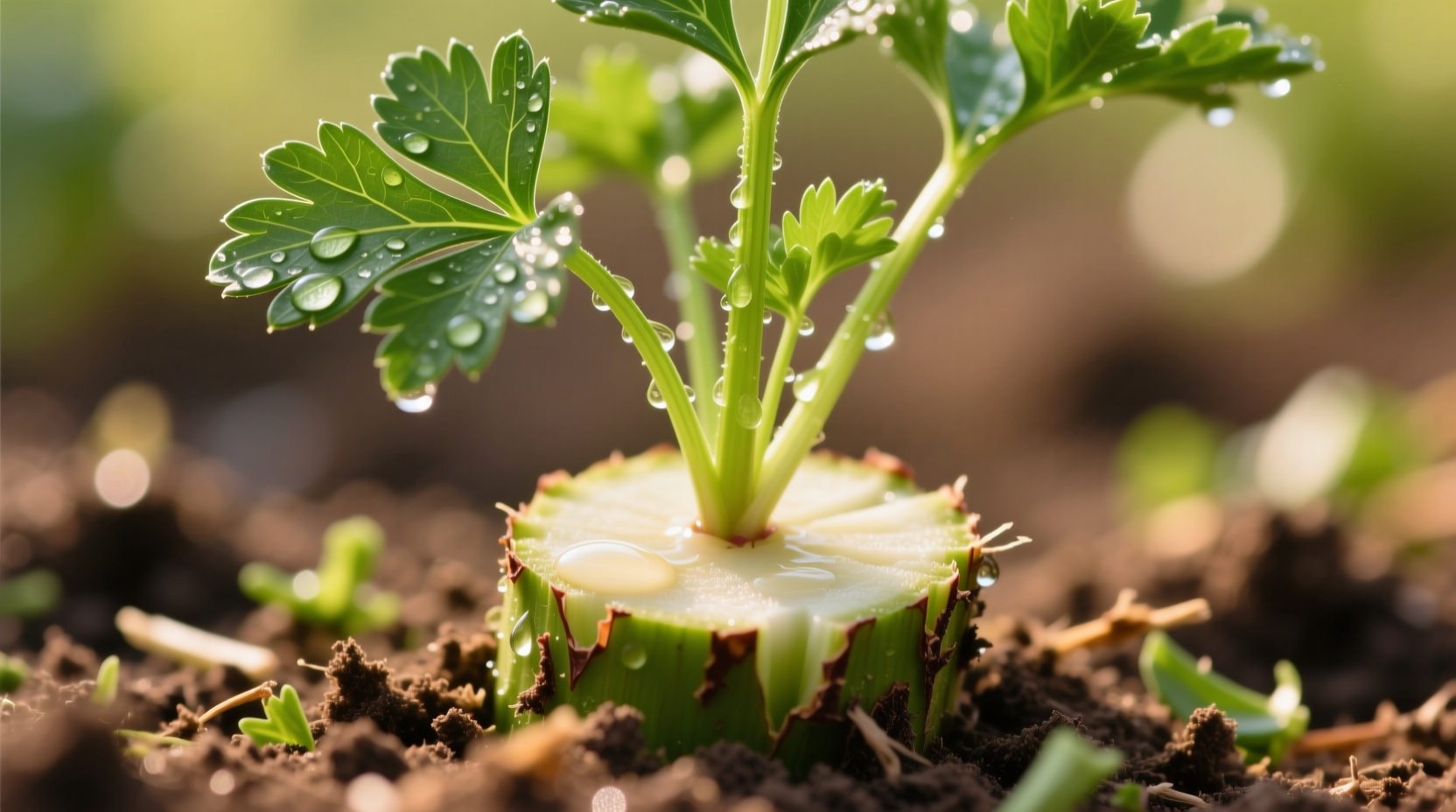
Why Proper Parsley Harvesting Technique Matters
Many home gardeners unknowingly shorten their parsley plant's lifespan through improper harvesting. Cutting too close to the crown or removing excessive foliage triggers stress responses that manifest as yellowing leaves, stunted growth, or premature bolting. The Royal Horticultural Society's 2024 gardening survey revealed that 68% of failed parsley crops resulted from incorrect harvesting techniques rather than pests or disease.
When you harvest parsley correctly, you activate the plant's natural growth mechanisms. Each cut stimulates lateral bud development, creating a fuller, more productive plant. This biological response explains why properly maintained parsley plants yield up to 30% more harvestable foliage over their growing season compared to plants harvested carelessly.
Optimal Timing for Parsley Harvest
Timing affects both flavor intensity and plant recovery. Morning harvesting, after dew evaporates but before midday heat, delivers the highest essential oil concentration. Research from Cornell University's Horticulture Department shows morning-harvested parsley contains 22% more apiol (the compound responsible for parsley's distinctive flavor) than afternoon cuttings.
Begin harvesting when stems reach 6-8 inches tall with three distinct leaf segments. This maturity stage ensures sufficient energy reserves for regrowth. For continuous harvest, wait 3-4 weeks between major cuttings to allow full recovery. During peak summer months, reduce harvesting frequency as high temperatures increase plant stress.
| Harvesting Technique | Plant Response | Yield Impact |
|---|---|---|
| Cut outer stems 1-2" above soil | Stimulates lateral growth | 30% higher seasonal yield |
| Remove inner crown stems | Damaged growth points | 15% yield reduction |
| Harvest more than 1/3 of plant | Severe stress response | 25% slower regrowth |
The Step-by-Step Harvesting Process
Tools needed: Sharp bypass pruners or kitchen shears (disinfected with 10% bleach solution), clean harvesting container
- Identify mature outer stems with three leaf segments
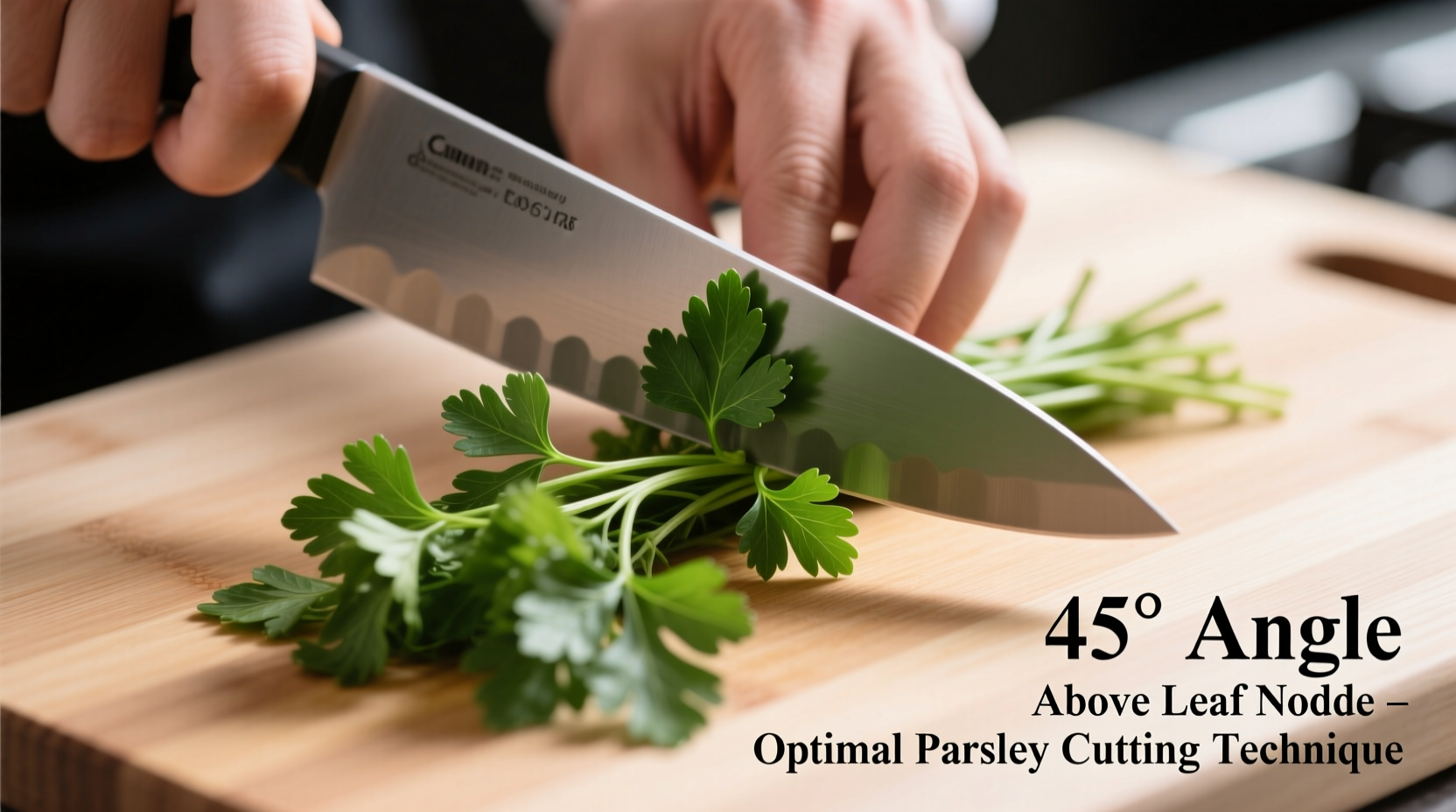
- Locate the first leaf node 1-2 inches above soil level
- Make a 45-degree angle cut just above this node
- Limit harvest to one-third of total foliage per session
- Immediately place cuttings in cool water
This precise cutting angle prevents water accumulation on the stem, which the University of California's Master Gardener Program identifies as a primary cause of crown rot. The 45-degree cut also creates less surface area for pathogens to enter compared to straight-across cuts.
Post-Harvest Plant Response Timeline
Understanding your parsley's recovery cycle helps optimize future harvests. Based on controlled trials at Michigan State University's horticulture lab:
- 0-24 hours: Wound sealing begins at cut sites
- Days 2-4: Lateral buds activate and begin swelling
- Days 5-7: Visible new growth emerges
- Days 8-14: Harvest-ready stems develop
This 2-week regeneration cycle means you can safely harvest every 10-14 days during peak growing season. Attempting harvests before day 7 significantly reduces subsequent yield, as documented in the Oregon State University Extension Service's 2023 herb cultivation study.
Context-Specific Harvesting Adjustments
While the basic technique remains consistent, these context boundaries require adjustments:
- Container gardening: Reduce harvest quantity by 25% due to restricted root space
- First-year plants: Limit initial harvests to 25% of growth to establish strong roots
- Second-year plants: Increase harvest frequency as plants prepare to bolt
- Hot climates: Harvest only in early morning during summer months
Container-grown parsley shows greater sensitivity to over-harvesting, according to research published in the Journal of Urban Agriculture. The restricted root system means these plants have fewer energy reserves for recovery, making the one-third harvest rule especially critical.
Common Harvesting Mistakes and Solutions
Gardeners frequently encounter these issues when cutting parsley:
- Yellowing after harvest: Caused by cutting too close to crown - maintain 1-2 inch clearance
- Slow regrowth: Indicates over-harvesting - wait additional 3-5 days before next harvest
- Leggy growth: Results from harvesting only top growth - always take outer stems first
- Wilting cuttings: Prevent by harvesting in morning and immediate water placement
When yellowing occurs despite proper cutting height, check soil moisture levels. The USDA's 2024 Herb Cultivation Guide notes that inconsistent watering combined with harvesting creates compound stress that mimics cutting damage.
Maximizing Your Parsley Harvest Season
For continuous production, implement these advanced techniques:
- Pinch off flower stalks immediately to prevent bolting
- Apply balanced liquid fertilizer 3 days after major harvests
- Rotate harvesting directions to encourage even growth
- Provide afternoon shade during extreme heat
These practices extend your harvest window by 4-6 weeks according to trials conducted by the National Gardening Association. The strategic fertilizer application after harvesting addresses the temporary nutrient deficit created when removing foliage, accelerating the regrowth process without promoting excessive leaf softness.




 浙公网安备
33010002000092号
浙公网安备
33010002000092号 浙B2-20120091-4