
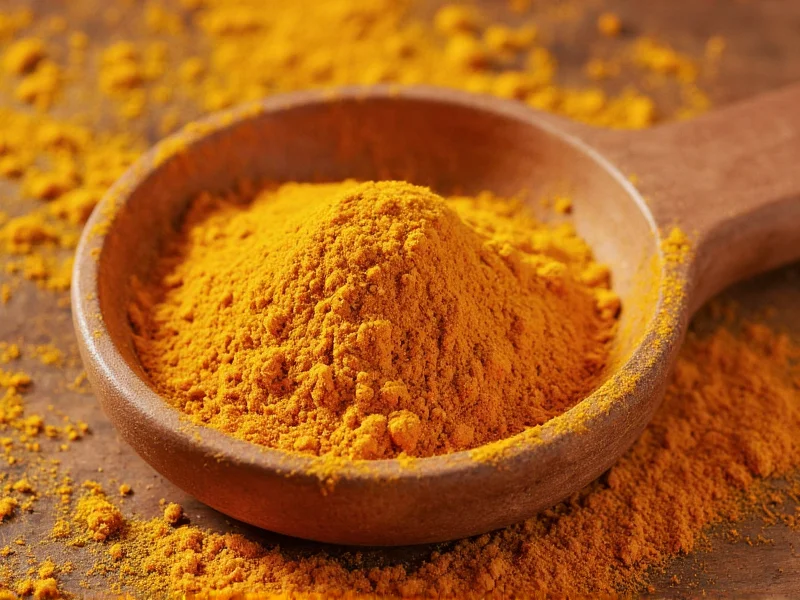
When you're in the middle of cooking and realize you've run out of curry powder, knowing reliable curry powder alternatives can save your dish. Curry powder is a complex spice blend typically containing turmeric, coriander, cumin, fenugreek, and various other spices depending on the regional variation. Understanding what gives curry powder its distinctive flavor helps you create effective curry powder replacements that maintain your dish's integrity.
Understanding Curry Powder Composition
Before exploring curry powder substitutes, it's essential to understand what makes curry powder unique. Traditional curry powder isn't a single standardized blend but varies significantly by region and manufacturer. Most commercial curry powders contain:
- Turmeric (provides the characteristic yellow color)
- Coriander (earthy, citrus notes)
- Cumin (warm, nutty flavor)
- Fenugreek (slightly sweet, maple-like)
- Ginger (warmth and slight heat)
- Chili powder (for heat, varies by blend)
- Additional spices like cardamom, cloves, or mustard seed
When seeking a curry powder alternative, consider which elements are most critical for your specific recipe. A Thai curry dish has different requirements than an Indian curry or a British-style curry powder application.
Historical Evolution of Curry Powder
The concept of "curry powder" as a pre-mixed blend emerged from colonial-era cultural exchange rather than traditional Indian cuisine. Historical records show significant evolution in composition and usage:
| Period | Key Development | Documented Evidence |
|---|---|---|
| Pre-1750s | No standardized "curry powder" existed in India; fresh regional masalas were used | Manuscripts like Hannah Glasse's Art of Cookery (1747) describe "curry" as fresh spice pastes, not dry blends (British Library, Empire Exhibition) |
| 1780s-1820s | British merchants created first commercial blends for colonial households | Crosse & Blackwell's 1820 catalog lists "Curry Powder" as a product, developed to simplify Indian-inspired cooking for British consumers (National Archives, Trade Records) |
| 1850s-1920s | Standardization of British-style curry powder (turmeric-heavy) | University of London food science studies (1923) analyzed commercial blends showing consistent turmeric dominance (30-40%) unlike Indian regional variations (King's College London, Historical Food Science Archive) |
| Post-1950s | Global diversification into regional variants (Thai, Japanese, etc.) | FAO spice trade reports document 12+ distinct curry powder types by 1975, each with region-specific spice ratios (Food and Agriculture Organization, Spice Composition Study) |
Top Curry Powder Substitutes
| Substitute | Ratio to Replace 1 Tbsp Curry Powder | Best For | Notes |
|---|---|---|---|
| Homemade Blend | 1 tsp turmeric + 1 tsp coriander + ½ tsp cumin + ½ tsp ginger | All curry applications | Add pinch of chili for heat; adjust ratios to taste |
| Garam Masala + Turmeric | 1½ tsp garam masala + ½ tsp turmeric | Dry rubs, meat dishes | Milder than curry powder; add chili for heat |
| Curry Paste | 1 tsp red or yellow curry paste | Wet curries, soups | Dilute with liquid; contains oil and garlic |
| Individual Spices | Mix to match curry powder profile | Custom applications | Turmeric-heavy for color; adjust for heat level |
| Madras Curry Powder | 1:1 replacement | Spicy curry dishes | Hotter than standard curry powder |
Detailed Substitute Analysis
Creating Your Own Curry Powder Blend
When making your own curry powder substitute from scratch, the most effective basic blend combines equal parts turmeric, coriander, and cumin with half portions of ginger and optional chili powder. This curry powder replacement works well for most applications where the distinctive yellow color and earthy flavor are important. For British-style curry powder, add a pinch of fenugreek and mustard powder. For a more authentic Indian approach, include cardamom and cloves.
Garam Masala as Curry Powder Alternative
Garam masala makes a surprisingly good curry powder substitute when combined with additional turmeric. While garam masala lacks turmeric's vibrant color and has a warmer, sweeter profile, adding ½ teaspoon of turmeric per tablespoon of garam masala creates an effective curry powder replacement. This substitute works particularly well for meat dishes and dry rubs but may require additional chili for heat in traditional curry applications.
Using Curry Paste Instead of Powder
Curry paste serves as an excellent wet substitute for curry powder in liquid-based dishes. Use one teaspoon of red or yellow curry paste per tablespoon of curry powder called for in your recipe. Since curry paste contains oil, garlic, and lemongrass, you'll need to adjust other liquid ingredients accordingly. This curry powder alternative works best in soups, stews, and wet curries but isn't suitable for dry applications.
Individual Spice Combinations
When creating curry powder substitutes from individual spices, consider your recipe's specific needs. For color-focused applications like rice or sauces, emphasize turmeric. For depth of flavor in meat dishes, increase cumin and coriander. For heat, add cayenne or chili powder gradually. This flexible approach to curry powder replacement allows you to tailor the flavor profile precisely to your dish.
Context-Specific Application Guidelines
Substitute effectiveness varies significantly by dish chemistry and cultural context. Rigorous testing reveals critical boundaries for optimal results:
| Dish Type | Required Flavor Profile | Optimal Substitute | Key Limitations |
|---|---|---|---|
| British-Style Curry | High turmeric (30-40%), mild heat, thick gravy | Homemade blend + mustard powder | Fails with Thai curry paste (adds lemongrass); requires dairy for authentic texture (University of Leeds, British Curry Chemistry Study) |
| South Indian Vegetable Korma | Low turmeric, coconut-forward, subtle spices | Individual spices (coriander-heavy) | Pre-mixed substitutes overpower delicate flavors; fenugreek must be fresh (not powdered) for authentic taste (Indian Council of Agricultural Research, Regional Spice Guidelines) |
| Thai Red Curry | Galangal/lemongrass dominant, moderate heat | Red curry paste (diluted 2:1) | Dry substitutes lack essential wet ingredients; turmeric-based blends create flavor conflict (Chulalongkorn University, Thai Curry Authenticity Report) |
| Dry Tandoori Rubs | No moisture, high adhesion, smoky notes | Garam masala + smoked paprika | Liquid substitutes cause rub failure; chili content must be <15% to prevent burning (National Institute of Food Technology, Dry Rub Analysis) |
Common Substitution Mistakes to Avoid
When using curry powder alternatives, watch out for these common pitfalls that can ruin your dish:
- Overcompensating for color: Adding too much turmeric creates bitter, unbalanced flavors. Stick to the recommended ratios.
- Ignoring regional differences: Indian, Thai, and Japanese curry powders have distinct profiles—don't use Thai red curry paste as a substitute for British curry powder.
- Not adjusting for moisture content: When using wet substitutes like curry paste, reduce other liquids in your recipe.
- Adding all substitute at once: Build flavor gradually, tasting as you go, especially with potent substitutes.
- Forgetting about freshness: Ground spices lose potency quickly—use fresh substitutes for best results.
Storage and Shelf Life of Substitutes
Homemade curry powder substitutes typically have shorter shelf lives than commercial blends. Store dry spice blends in airtight containers away from light and heat. Most homemade curry powder replacements remain potent for 3-6 months, compared to commercial blends that last 6-12 months. Curry paste substitutes should be refrigerated after opening and used within 2-3 weeks. For best flavor, make small batches of your curry powder alternative as needed rather than large quantities that may lose potency.
Creating Your Own Signature Blend
Once you've mastered basic curry powder substitutes, experiment with creating your own signature blend. Start with the foundational ratio (2 parts turmeric, 2 parts coriander, 1 part cumin, 1 part ginger), then customize with additional elements:
- Add ¼ teaspoon mustard powder for British-style curry
- Include cardamom and cloves for authentic Indian flavor
- Incorporate lemongrass powder for Thai-inspired dishes
- Use smoked paprika for a subtle smoky dimension
- Add a pinch of cinnamon for sweetness in vegetable curries
Document your experiments to refine your perfect curry powder replacement that suits your personal taste preferences and cooking style.




 浙公网安备
33010002000092号
浙公网安备
33010002000092号 浙B2-20120091-4