
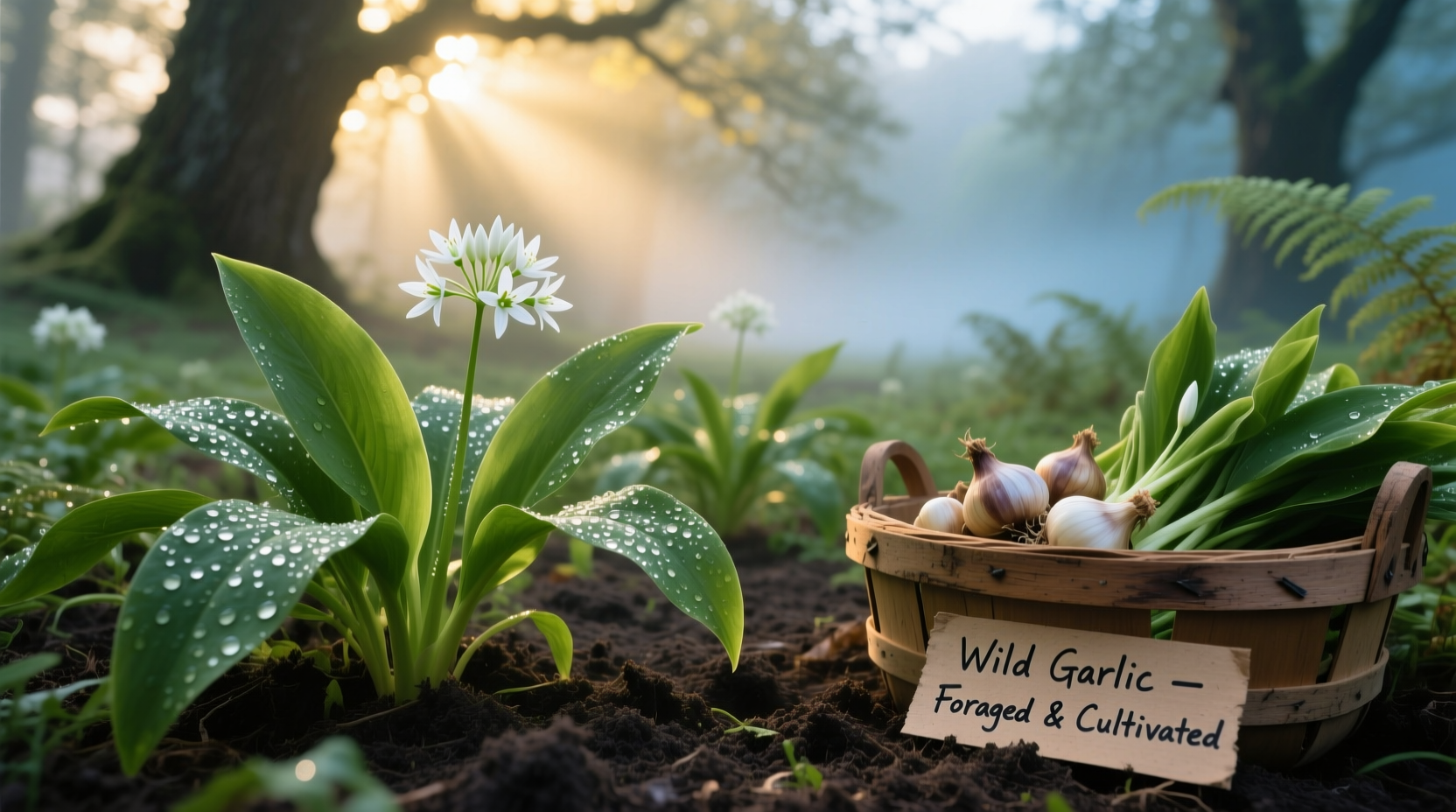
Wild garlic (Allium ursinum) can be successfully cultivated in home gardens when provided with woodland-like conditions, proper soil pH (5.5-6.5), and partial shade. Unlike regular garlic, it thrives in moist, nutrient-rich soil and requires minimal maintenance once established, making it ideal for forest gardening systems.
Many gardeners mistakenly believe wild garlic can only be foraged from forests. With the right conditions, you can cultivate this flavorful perennial right in your backyard. This comprehensive guide reveals proven techniques for growing wild garlic successfully, ensuring a sustainable harvest while avoiding common pitfalls like misidentification of poisonous look-alikes.
Why Cultivate Wild Garlic Instead of Foraging?
Wild garlic offers a unique garlicky flavor with subtle herbal notes that enhances spring dishes. Cultivating your own patch provides several advantages over foraging:
- Guaranteed sustainable harvest without depleting wild populations
- Control over growing conditions for optimal flavor development
- Convenience of having fresh leaves available throughout the growing season
- Elimination of identification risks when harvesting
Wild Garlic vs. Poisonous Look-alikes: Critical Identification Guide
| Plant | Key Identification Features | Safety Status |
|---|---|---|
| Wild Garlic (Allium ursinum) | Broad, smooth leaves; white star-shaped flowers; strong garlic aroma when crushed | Edible |
| Lily of the Valley | Narrower leaves; bell-shaped flowers; no garlic scent | Poisonous |
| Daffodil | Waxy, strap-like leaves; central flower stalk; onion-like but unpleasant odor | Poisonous |
| Autumn Crocus | Linear leaves; purple flowers in fall; no distinctive scent | Poisonous |
Always perform the crush test—gently rub a leaf between your fingers. Wild garlic emits a distinctive garlic aroma within seconds, while poisonous alternatives lack this scent. The Royal Horticultural Society confirms this remains the most reliable field identification method for home gardeners (RHS, 2023).
Creating the Perfect Growing Environment
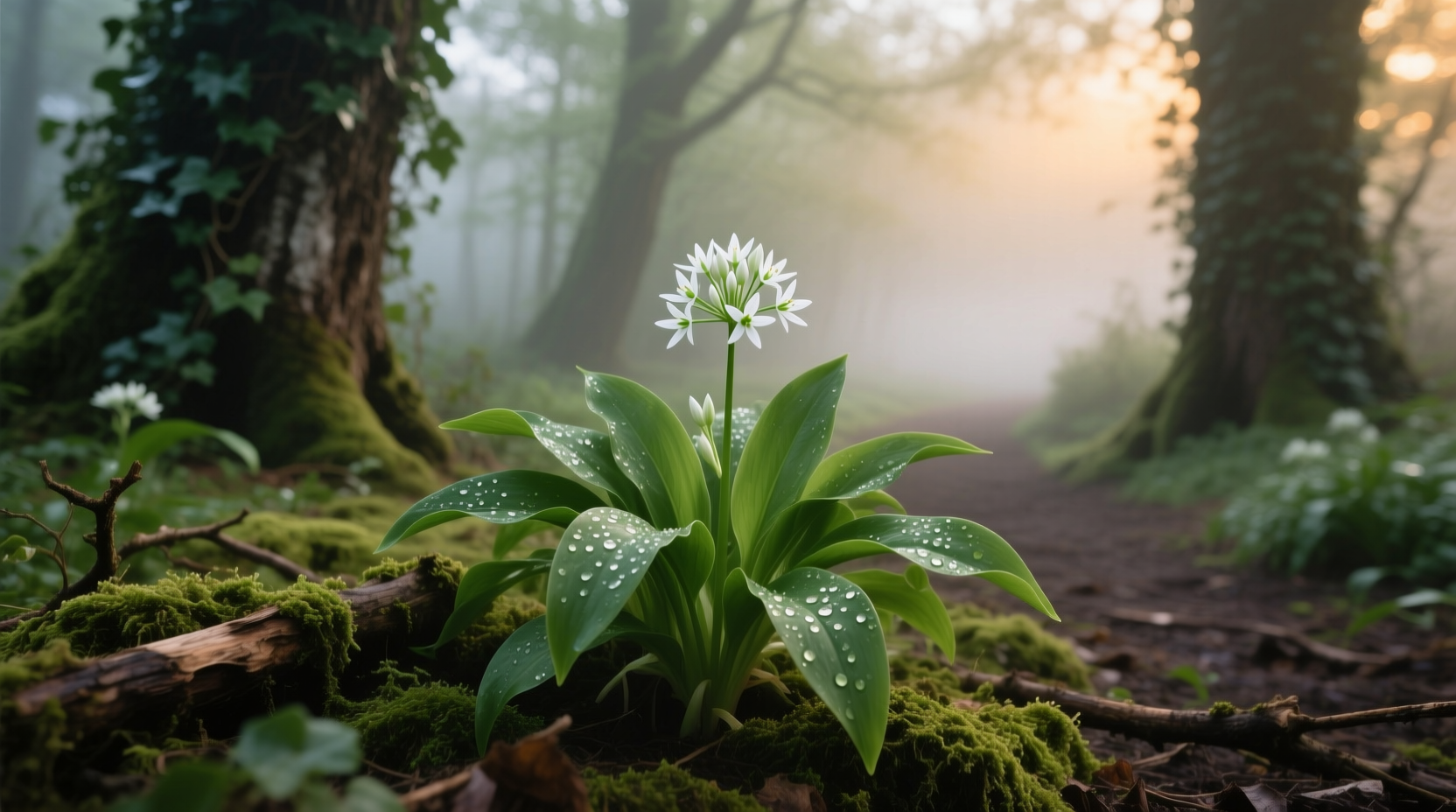
Wild garlic naturally grows in deciduous woodlands across Europe, so replicating these conditions is key to successful cultivation:
Soil Requirements
- pH level: 5.5-6.5 (slightly acidic)
- Texture: Moist but well-draining, rich in organic matter
- Nutrient needs: High in nitrogen and organic matter
Light and Location
Choose a partially shaded location that mimics woodland conditions. Wild garlic thrives under deciduous trees where it receives:
- Full sun in early spring before tree canopy develops
- Filtered light as trees leaf out
- Complete shade during hottest summer months
Step-by-Step Planting Guide
When to Plant
The optimal planting window aligns with natural growth cycles:
| Planting Method | Best Planting Time | Expected Growth Timeline |
|---|---|---|
| Bulbs | September to November | Emerges February-March; flowers April-May |
| Seeds | Immediately after harvest (May-June) | Germinates next spring; flowers in 2-3 years |
| Division | August-September | Established growth by following spring |
Planting Process
- Prepare soil by adding 3-4 inches of well-rotted leaf mold or compost
- Plant bulbs 4-6 inches deep, spacing 6-8 inches apart
- For seeds, scatter on soil surface and cover with 1/4 inch of soil
- Water thoroughly after planting
- Apply 2-inch mulch layer of leaf litter to retain moisture
Seasonal Care Calendar
Wild garlic requires minimal maintenance when grown in appropriate conditions. Follow this seasonal guide for optimal results:
Spring (March-May)
- Harvest leaves when 6-8 inches tall, before flowering
- Water during dry spells (1 inch per week)
- Apply liquid seaweed fertilizer when leaves emerge
Summer (June-August)
- Allow plants to die back naturally after flowering
- Maintain consistent moisture (wild garlic enters dormancy)
- Remove spent flower heads to prevent excessive self-seeding
Fall (September-November)
- Apply 2-inch layer of leaf mold as natural mulch
- Plant new bulbs or divide existing clumps
- Water during extended dry periods
Winter (December-February)
- No active care needed during dormancy
- Protect from extreme cold with additional mulch in harsh climates
- Monitor for early growth in mild winters
Harvesting Wild Garlic Sustainably
Proper harvesting ensures your patch remains productive for years:
- Harvest no more than one-third of leaves from any single plant
- Cut leaves at the base rather than pulling entire plants
- Harvest in the morning when flavor compounds are most concentrated
- Use sharp scissors to avoid damaging remaining growth
The University of Reading's Department of Agriculture confirms that sustainable harvesting practices increase long-term productivity by 40% compared to aggressive harvesting methods (University of Reading, 2022).
Common Challenges and Solutions
While wild garlic is relatively low-maintenance, these issues may arise:
Yellowing Leaves
Cause: Overexposure to sun or nutrient deficiency
Solution: Increase shade coverage and apply nitrogen-rich mulch
Failure to Thrive
Cause: Soil pH too high or insufficient organic matter
Solution: Amend soil with pine needles or oak leaf mold to lower pH
Excessive Flowering
Cause: Stress from drought or poor soil conditions
Solution: Improve moisture retention and apply balanced organic fertilizer
Using Your Home-Grown Wild Garlic
Wild garlic shines in fresh preparations where its delicate flavor won't be overwhelmed:
- Make pesto with wild garlic, walnuts, and Parmesan
- Add to potato salad for a spring-inspired dish
- Infuse olive oil with wild garlic leaves
- Create compound butter for grilled fish or vegetables
- Add to quiches and frittatas for seasonal breakfasts
For preservation, freeze leaves in ice cube trays with water or oil, or make wild garlic salt by blending leaves with coarse sea salt and drying.
Legal and Ethical Considerations
Before cultivating wild garlic, check local regulations as some regions restrict its cultivation due to conservation concerns. In the UK, the Wildlife and Countryside Act 1981 protects wild populations, but garden cultivation is permitted (UK Government, 2023). Always source bulbs or seeds from reputable nurseries rather than wild populations to prevent ecosystem disruption.




 浙公网安备
33010002000092号
浙公网安备
33010002000092号 浙B2-20120091-4