
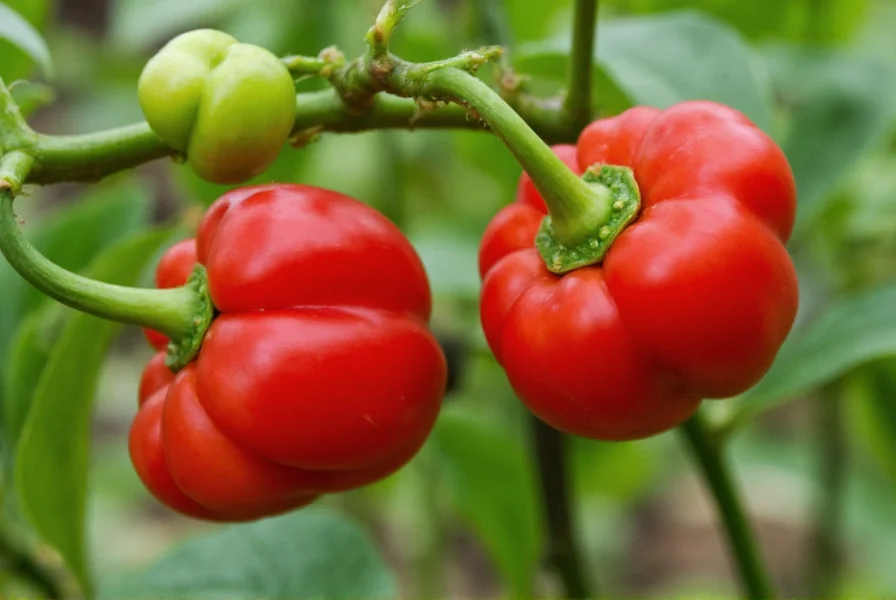
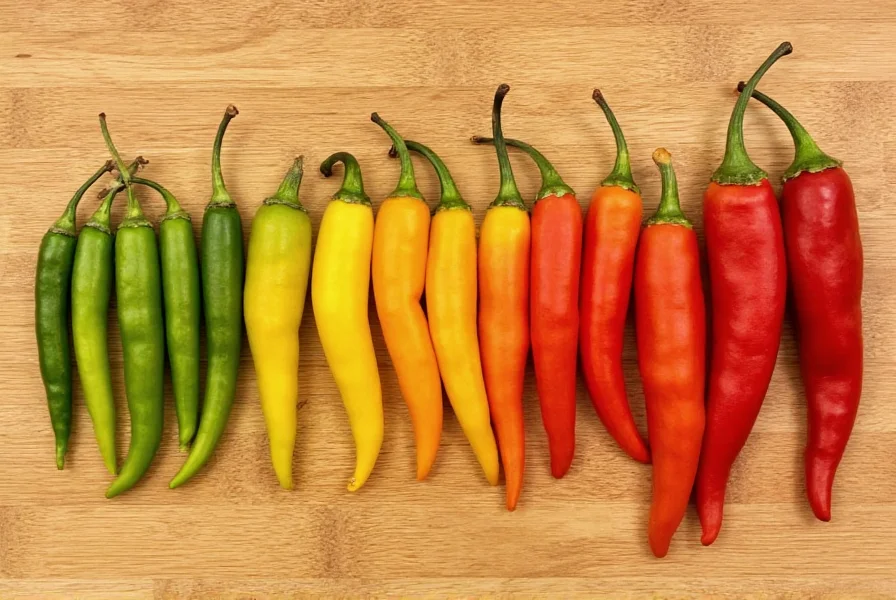
Understanding the precise timeline for cubanelle pepper development is essential for successful garden planning. These mild, sweet peppers—often called "Italian frying peppers"—offer gardeners a versatile crop that transitions from light green to vibrant red as they mature. Unlike hotter pepper varieties, cubanelles maintain their sweetness throughout ripening, making them valuable for fresh eating, roasting, and preserving.
What "Days to Maturity" Really Means for Cubanelle Peppers
The "days to maturity" figure you'll find on seed packets or gardening resources refers to the time from transplanting established seedlings into the garden until the first harvestable peppers appear. This is a critical distinction many beginners miss. For cubanelle peppers specifically:
| Growing Method | Days to First Harvest | Full Maturity Timeline |
|---|---|---|
| From transplanted seedlings | 60-75 days | Peppers reach full size in 2-3 weeks after first appearance |
| From direct-seeded outdoors | 90-100 days | Not recommended in most climates due to short growing seasons |
| From indoor-started seeds | 75-85 days | Includes 6-8 weeks of indoor growing before transplant |
Cubanelle Pepper Growth Stages Explained
Understanding the developmental stages helps gardeners anticipate harvest times and identify potential problems:
Germination Phase (10-14 days)
Cubanelle pepper seeds germinate best at soil temperatures between 75-85°F (24-29°C). Unlike some pepper varieties, they don't require special treatment for germination but do need consistent moisture. Starting seeds indoors 8-10 weeks before your last frost date gives optimal results.
Vegatative Growth (4-6 weeks after transplant)
After transplanting hardened-off seedlings into the garden, cubanelles focus on developing strong root systems and foliage. During this phase, the plants establish the foundation for fruit production. Proper spacing (18-24 inches apart) ensures adequate air circulation and light exposure.
Flowering and Fruit Set (6-8 weeks after transplant)
Cubanelles produce small white flowers that must be pollinated to develop fruit. Warm temperatures (70-85°F) encourage successful pollination. Gardeners in cooler climates may need to provide additional warmth or use row covers during this critical phase.
Ripening Phase (2-4 weeks after fruit set)
The peppers grow rapidly during this stage, reaching their characteristic 4-6 inch length and curved shape. Most gardeners harvest cubanelles when they're light green, but allowing them to ripen to red increases sweetness and nutritional value. The total time from flowering to harvest-ready peppers is typically 2-3 weeks.
Factors That Influence Cubanelle Pepper Maturity Time
Several environmental and cultural factors can shorten or extend the typical 60-75 day maturity window:
Temperature Requirements
Cubanelles thrive in consistent warmth. They grow best when daytime temperatures stay between 70-85°F (21-29°C) and nighttime temperatures don't drop below 60°F (15°C). Temperatures below 55°F significantly slow growth, while extreme heat above 90°F can cause blossom drop. Using black plastic mulch helps warm the soil in cooler climates.
Soil Conditions and Nutrition
These peppers prefer slightly acidic to neutral soil (pH 6.0-7.0) rich in organic matter. Proper nutrition directly impacts growth speed:
- Before flowering: Higher nitrogen promotes leafy growth
- During flowering: Phosphorus becomes more critical
- During fruiting: Potassium supports healthy fruit development
Over-fertilizing with nitrogen can delay fruiting as plants focus on foliage production.
Water Management
Consistent moisture is crucial for steady growth. Cubanelles need about 1-2 inches of water weekly, with increased needs during flowering and fruiting. Irregular watering causes blossom end rot and slows development. Mulching helps maintain even soil moisture levels.
Comparing Cubanelle Maturity to Other Pepper Varieties
Understanding how cubanelles fit into your garden's overall timeline helps with planning:
| Pepper Variety | Days to Maturity | Heat Level (Scoville) | Best Harvest Color |
|---|---|---|---|
| Cubanelle | 60-75 | 0-1,000 | Light green to red |
| Bell Pepper | 65-80 | 0 | Green to red/orange/yellow |
| Jalapeño | 70-80 | 2,500-8,000 | Dark green to red |
| Habanero | 90-110 | 100,000-350,000 | Orange to red |
Cubanelles mature slightly faster than standard bell peppers, making them an excellent choice for gardeners in regions with shorter growing seasons. Their earlier harvest window allows for succession planting or extending the pepper harvest season.
Practical Tips for Achieving Optimal Maturity
Implement these proven techniques to ensure your cubanelle peppers reach maturity on schedule:
Starting Seeds Properly
Begin seeds indoors 8-10 weeks before your last expected frost. Use a seed starting mix and maintain soil temperature around 80°F using a heat mat. Provide 14-16 hours of grow light daily to prevent leggy seedlings. Transplant to larger containers when the first true leaves appear.
Hardening Off Seedlings
Gradually acclimate plants to outdoor conditions over 7-10 days before transplanting. Start with 1-2 hours of morning sun, gradually increasing exposure. This critical step reduces transplant shock and gets plants growing vigorously immediately after transplanting.
Optimal Planting Conditions
Transplant seedlings when soil temperatures consistently reach 65°F at a 4-inch depth. Choose a location with at least 6-8 hours of direct sunlight. Amend planting holes with compost and a balanced organic fertilizer. Consider using fabric row covers initially to create a warmer microclimate.
Monitoring for Harvest Readiness
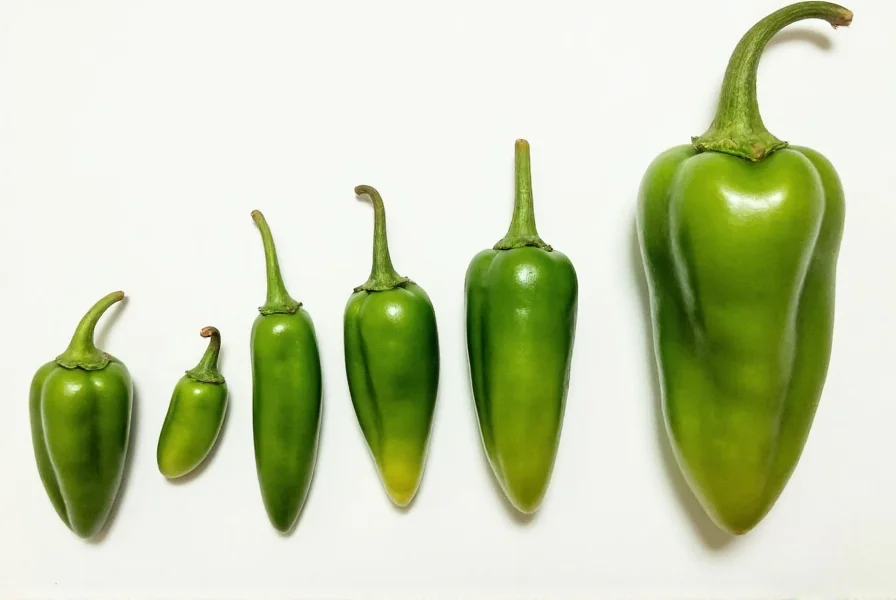
Cubanelles are ready to harvest when they reach 4-6 inches in length and feel firm to the touch. The skin should be glossy and uniformly colored. Use sharp scissors or pruners to cut peppers from the plant, leaving a small stem attached. Regular harvesting encourages continued production throughout the season.
Troubleshooting Delayed Maturity
If your cubanelle peppers aren't maturing as expected, consider these common issues:
Insufficient Warmth
In cooler climates, use black plastic mulch to warm the soil or grow plants in containers that can be moved to sunnier locations. Wall O' Water plant protectors create a greenhouse effect around young plants.
Nutrient Imbalances
Excess nitrogen promotes leaf growth at the expense of fruiting. If plants are lush but not setting fruit, switch to a fertilizer higher in phosphorus and potassium. A soil test can identify specific deficiencies.
Poor Pollination
On calm days with few insects, gently shake plants during flowering to distribute pollen. Avoid spraying insecticides during flowering hours when pollinators are active.
Disease or Pest Pressure
Common issues like aphids, spider mites, or fungal diseases can stress plants and delay maturity. Inspect plants regularly and address problems promptly with appropriate organic controls.
Extending Your Cubanelle Harvest
Once your plants begin producing, maximize your harvest with these techniques:
- Harvest peppers regularly to encourage continued production
- Pick some peppers at the light green stage and allow others to ripen to red for varied flavors
- Use succession planting with new seedlings every 3-4 weeks for continuous harvest
- In cooler climates, grow plants in containers that can be moved indoors before first frost
Understanding the precise cubanelle pepper days to maturity helps gardeners plan their planting schedule for optimal harvest timing. Whether you're growing these sweet peppers for fresh eating, canning, or freezing, knowing the expected timeline ensures you'll enjoy their mild, flavorful fruit at peak quality.
When is the best time to harvest cubanelle peppers?
Cubanelle peppers are typically harvested when they reach 4-6 inches in length and have a glossy, firm appearance. Most gardeners pick them when light green for a milder flavor, though allowing them to ripen to red increases sweetness and nutritional value. The ideal harvest window begins approximately 60-75 days after transplanting healthy seedlings into the garden.
Do cubanelle peppers continue producing throughout the season?
Yes, cubanelle peppers are indeterminate plants that continue producing throughout the growing season when properly maintained. Regular harvesting encourages additional fruit set. In optimal conditions with temperatures between 70-85°F, plants will keep flowering and setting new fruit for several months. Providing consistent moisture and appropriate nutrition extends the productive season.
How does climate affect cubanelle pepper maturity time?
Climate significantly impacts cubanelle pepper maturity. In cooler regions with shorter growing seasons, maturity may extend to 75-80 days after transplanting, while in warm southern climates, peppers may mature in as few as 60 days. Temperatures below 60°F slow growth dramatically, while consistent heat above 90°F can cause blossom drop. Gardeners in marginal climates often use black plastic mulch and row covers to create warmer microclimates.
Can I grow cubanelle peppers in containers?
Yes, cubanelle peppers grow well in containers with proper care. Choose pots at least 5 gallons in size with adequate drainage. Container-grown plants may mature slightly faster due to warmer root zones but require more frequent watering and feeding. The days to maturity remains similar (60-75 days after transplanting), though container plants often produce a slightly smaller overall yield than in-ground plants.
What's the difference between days to maturity from seed versus transplant?
Days to maturity from seed (90-100 days) includes the 6-8 week indoor growing period before transplanting. The standard 60-75 day maturity timeline refers to time after transplanting established seedlings into the garden. This distinction is crucial for garden planning, as starting seeds indoors effectively extends your growing season and ensures you'll have harvestable peppers within your local frost-free period.




 浙公网安备
33010002000092号
浙公网安备
33010002000092号 浙B2-20120091-4