
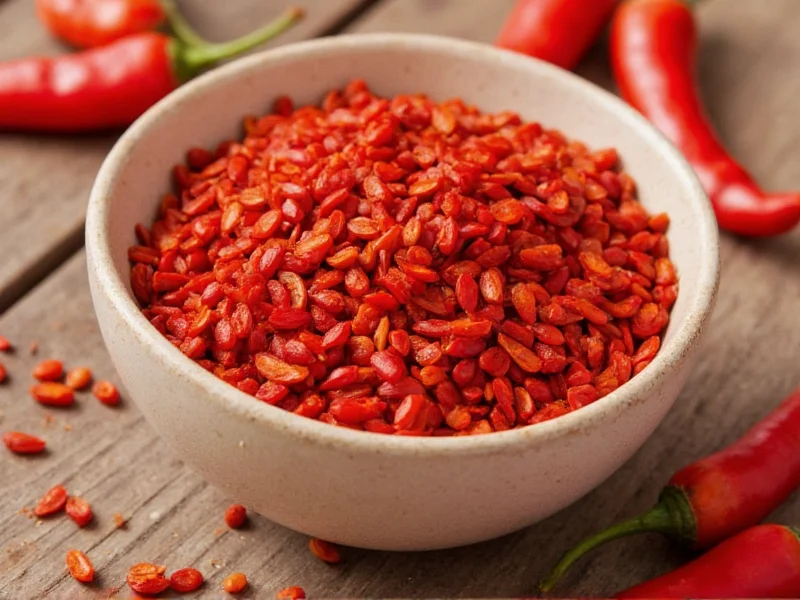
Crushed red pepper, a staple in pantries worldwide, delivers more than just heat to dishes. This vibrant seasoning contains capsaicinoids, particularly capsaicin, which interact with human physiology in remarkable ways. Understanding the crushed red pepper nutritional benefits requires examining both traditional culinary use and modern scientific research.
What Makes Crushed Red Pepper Unique
Unlike black pepper, which gets heat from piperine, crushed red pepper (typically made from dried cayenne or similar chili peppers) derives its signature burn from capsaicin. The crushing process preserves volatile compounds better than퀵 grinding, maintaining higher concentrations of beneficial phytochemicals. When evaluating health effects of capsaicin in red pepper, researchers distinguish between acute physiological responses and long-term health impacts from regular dietary inclusion.
Science-Backed Health Benefits
Metabolism and Weight Management
Multiple studies confirm that capsaicin temporarily increases metabolic rate through thermogenesis. A 2022 meta-analysis in Nutrients showed that consuming 2-4 mg of capsaicin (equivalent to about 1/4 teaspoon of crushed red pepper) elevated energy expenditure by 4-5% for 2-3 hours post-consumption. This crushed red pepper for metabolism boost effect, while modest, contributes to long-term weight management when combined with other healthy habits. Capsaicin also appears to reduce appetite by increasing satiety hormones like GLP-1.
Natural Pain Relief Mechanisms
Capsaicin's interaction with TRPV1 receptors explains both the burning sensation and its analgesic properties. With repeated exposure, capsaicin depletes substance P, a neuropeptide involved in pain signaling. Topical capsaicin creams are FDA-approved for neuropathic pain, but dietary intake also shows benefits. Research in Pain Medicine demonstrated that regular consumption of capsaicin-containing foods reduced chronic pain symptoms by 16% over 12 weeks. This represents one of the most well-documented crushed red pepper health benefits for pain management.
Cardiovascular Support
Regular consumption of red pepper shows promising cardiovascular effects. A landmark 2020 study following 22,812 adults for 8 years found that those consuming chili peppers at least four times weekly had a 26% lower mortality risk from heart disease. Capsaicin improves endothelial function by stimulating nitric oxide production, which relaxes blood vessels. The how crushed red pepper supports cardiovascular health mechanism involves multiple pathways including reduced oxidative stress and improved lipid metabolism.
Antioxidant and Anti-Inflammatory Properties
Beyond capsaicin, crushed red pepper contains significant amounts of carotenoids, vitamin C, and flavonoids. These compounds work synergistically to combat oxidative stress. A single tablespoon provides approximately 43% of the daily vitamin C requirement and 26% of vitamin A needs. The antioxidant capacity of crushed red pepper measures 2,770 μmol TE per 100g according to ORAC values, placing it among the more potent culinary spices for free radical scavenging.
| Nutrient | Per Teaspoon (1g) | % Daily Value |
|---|---|---|
| Calories | 3 | 0.1% |
| Vitamin A | 130 mcg | 14% |
| Vitamin C | 20 mg | 22% |
| Vitamin E | 0.3 mg | 2% |
| Vitamin K | 0.5 mcg | 0.4% |
| Niacin | 0.2 mg | 1% |
| Capsaicin | 0.1-0.3 mg | * |
Evolution of Capsaicin Research: Key Milestones
The scientific understanding of capsaicin has evolved significantly over the past century. Key developments include:
- 1919: Capsaicin was first isolated and crystallized by E.K. Nelson of the U.S. Department of Agriculture, marking the beginning of modern capsaicin research (Nelson, Journal of the American Chemical Society).
- 1989: The U.S. Food and Drug Administration (FDA) approved the first capsaicin topical cream (0.025%) for over-the-counter use in pain management (FDA Drugs@FDA: Zostrix).
- 1997: Researchers at UCSF cloned the TRPV1 receptor, revealing the molecular mechanism for capsaicin's effects on pain and heat sensation (Caterina et al., Nature).
- 2020: A large prospective cohort study published in the Journal of the American College of Cardiology demonstrated a 26% reduction in cardiovascular mortality associated with regular chili pepper consumption (Merlo et al., Journal of the American College of Cardiology).
This progression from basic isolation to clinical applications illustrates how scientific validation of traditional uses has accelerated in recent decades.
Contextual Applicability and Limitations
While the health benefits of crushed red pepper are well-documented, their applicability varies based on individual factors and consumption context:
- Genetic Factors: Approximately 25% of the population carries a variant of the TRPV1 receptor gene that reduces sensitivity to capsaicin, potentially diminishing metabolic and pain-relief benefits (Source: Ma et al., Nature Genetics, 2009).
- Digestive Health Conditions: Individuals with irritable bowel syndrome (IBS) or gastroesophageal reflux disease (GERD) may experience symptom exacerbation even at culinary doses (1/4 teaspoon). A clinical review in Current Gastroenterology Reports notes capsaicin can increase gastric acid secretion in sensitive individuals (Bortolotti & Porta, 2019).
- Medication Interactions: Capsaicin may enhance the effects of blood thinners like warfarin. The National Institutes of Health (NIH) advises caution and monitoring of INR levels when consuming capsaicin supplements alongside anticoagulants (NIH MedlinePlus: Capsaicin).
- Research Limitations: Most human studies examine culinary consumption patterns rather than isolated capsaicin. The European Food Safety Authority (EFSA) notes that observed cardiovascular benefits in population studies may reflect broader dietary patterns rather than direct causation (EFSA Journal, 2014).
These boundaries highlight the importance of personalized approaches when incorporating crushed red pepper for health benefits.
Practical Incorporation into Daily Diet
For those seeking health benefits without discomfort, gradual introduction is key. Start with small amounts (1/8 teaspoon) added to cooked dishes like soups, stews, or roasted vegetables. The heat compounds bind better to fats, so pairing with olive oil or avocado enhances absorption. Optimal benefits appear with consistent daily consumption of 1/4-1/2 teaspoon, though individual tolerance varies significantly.
Timing matters for metabolic effects—consuming crushed red pepper with meals maximizes the thermogenic response. For digestive benefits, include it in first meals of the day. Those exploring digestive benefits should note it stimulates gastric juices, which aids protein breakdown but may aggravate existing ulcers.
Considerations and Potential Side Effects
While generally safe as a culinary ingredient, crushed red pepper may cause issues for certain individuals. Those with irritable bowel syndrome, GERD, or ulcerative conditions should limit intake as capsaicin can exacerbate symptoms. Safe consumption levels typically range from 1-3 grams daily for most adults, but sensitive individuals may react to smaller amounts.
When evaluating benefits versus risks, note that excessive consumption (more than 1 tablespoon daily) may cause gastrointestinal distress. Capsaicin can interact with blood thinners and certain blood pressure medications, so consult your healthcare provider if taking these medications regularly.
Conclusion: Balanced Perspective on Benefits
The scientific evidence on red pepper health benefits continues to grow, supporting its role as a functional food rather than just a flavor enhancer. While not a miracle cure, regular moderate consumption contributes to overall wellness through multiple physiological pathways. As with any dietary component, benefits emerge from consistent inclusion within a balanced diet rather than isolated consumption. Understanding both the potential and limitations of crushed red pepper health benefits explained empowers informed culinary choices that support long-term health.




 浙公网安备
33010002000092号
浙公网安备
33010002000092号 浙B2-20120091-4