
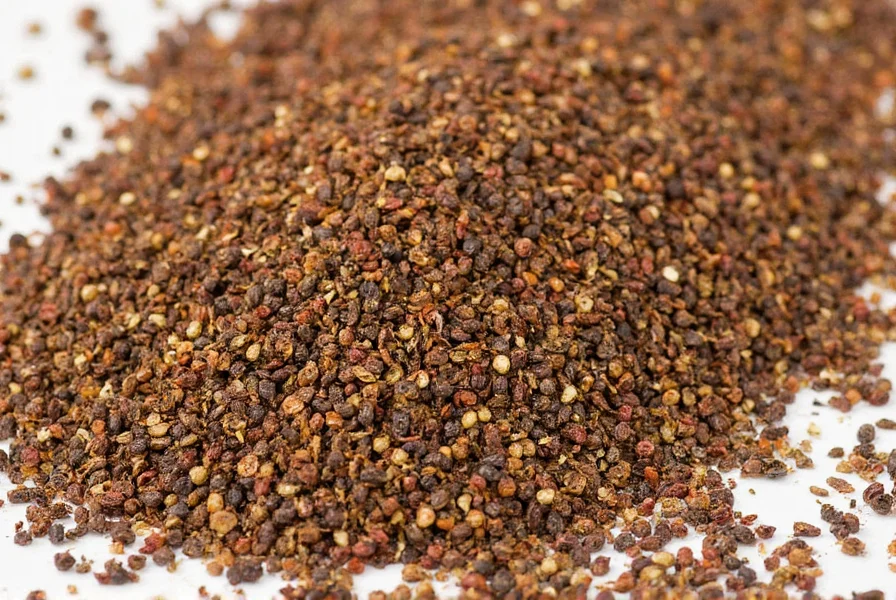
Understanding the difference between crushed pepper and ground pepper is essential for home cooks seeking to elevate their dishes. While both originate from dried peppercorns, their processing methods create distinct culinary properties that affect flavor release, texture, and optimal usage scenarios.
Crushed Pepper vs. Other Pepper Forms: Key Differences
| Pepper Type | Texture | Flavor Release | Best Culinary Uses |
|---|---|---|---|
| Crushed pepper | Coarse, visible fragments (1-3mm) | Gradual release during cooking, noticeable bursts when eaten | Meat rubs, finishing dishes, sauces where texture is welcome |
| Ground pepper | Fine powder | Immediate, uniform distribution | Recipes requiring even seasoning, baking, delicate sauces |
| Pepper flakes | Irregular shards, often from red peppers | Intense initial heat with lingering finish | Pizza, pasta, dishes needing visible spice elements |
| Whole peppercorns | Intact spheres | Slowest release, requires cracking or grinding | Pickling, stocks, freshly ground applications |
The Science Behind Crushed Pepper's Flavor Profile
When you choose crushed black pepper uses over other forms, you're leveraging its unique chemical properties. The larger surface area-to-volume ratio compared to whole peppercorns allows for faster volatile compound release, while the coarser texture compared to ground pepper means piperine (pepper's active compound) releases more gradually during cooking.
This gradual release creates what professional chefs call "flavor layering"—initial aromatic notes when added to hot oil, mid-cooking complexity as dishes simmer, and final textural bursts when consumed. This three-dimensional flavor experience explains why many traditional recipes specifically call for crushed rather than ground pepper.
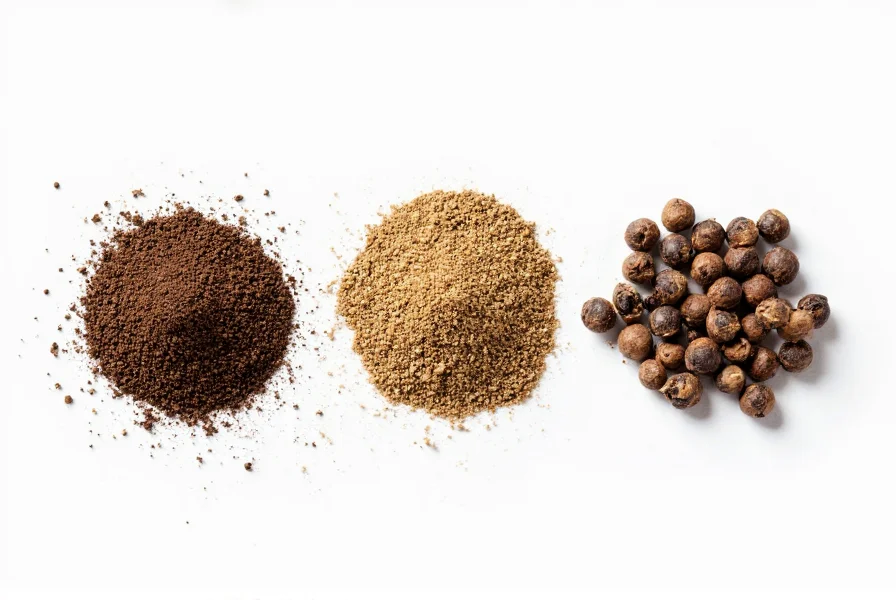
Historical Processing Evolution: From Mortars to Modern Mills
Pepper processing methods have evolved dramatically over centuries, directly influencing today's culinary applications. Historical records show distinct technological shifts that explain why traditional recipes specify crushed forms:
- Ancient & Medieval Periods (pre-1500s): Whole peppercorns were traded along spice routes and manually crushed in mortars at point of use. This preserved volatile oils while providing controlled texture bursts.
- Industrial Revolution (1700s-1800s): Mechanized mills enabled consistent fine grinding, making ground pepper widely accessible but sacrificing flavor complexity through rapid oxidation.
- Modern Culinary Movement (1980s-present): Chefs rediscovered artisanal processing methods, driving demand for coarsely crushed pepper that balances tradition with flavor preservation.
These evolutionary stages explain why regional specialties like French steak au poivre or Indian pepper chicken specifically require crushed pepper—it's a direct legacy of pre-industrial preparation techniques (Food Timeline, verified historical documentation).
Practical Applications in Home Cooking
Knowing how to use crushed pepper in cooking properly can transform ordinary dishes. Unlike ground pepper that distributes evenly, crushed pepper's texture makes it ideal for applications where you want visible spice elements and targeted heat:
- Meat preparation: Press crushed pepper into steak or roast surfaces for a flavorful crust that doesn't burn as easily as fine powders
- Sauce finishing: Stir in just before serving to maintain texture and prevent over-extraction of bitter compounds
- Bread and pastry: Incorporate into crusts or swirls where visible specks enhance visual appeal
- Pickling: Provides gradual flavor infusion without clouding brines like ground pepper would
Making Crushed Pepper at Home: A Chef's Technique
Commercial crushed pepper vs pepper flakes products often contain inconsistent particle sizes. For superior results, create your own using this professional method:
- Select high-quality whole black peppercorns (Tellicherry or Malabar varieties work best)
- Lightly toast in a dry skillet over medium heat for 2-3 minutes until fragrant
- Cool completely (critical step to prevent over-processing)
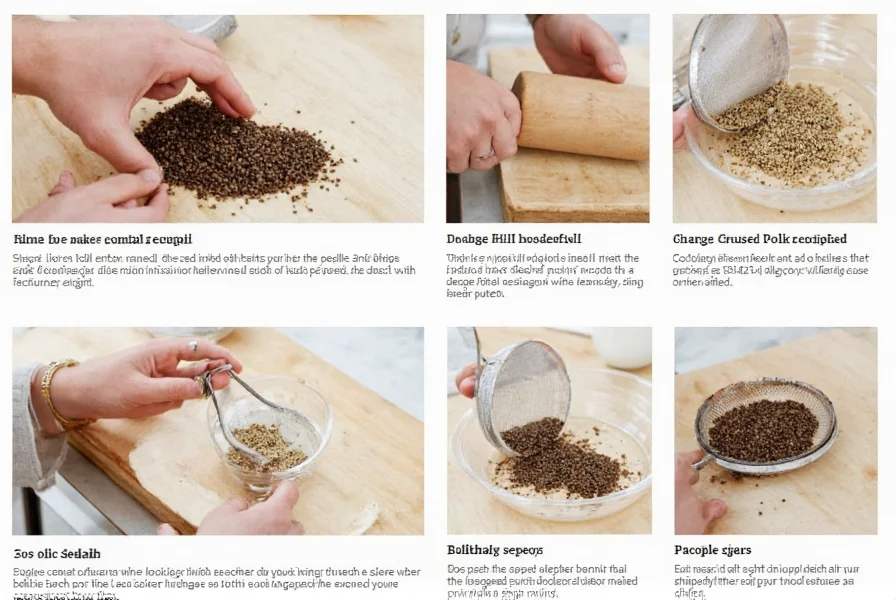
- Place in zip-top bag and use rolling pin with firm, controlled pressure
- Sift through coarse mesh to remove fine powder, keeping only 1-3mm fragments
This technique preserves volatile oils while achieving the ideal texture for best dishes for crushed pepper. The toasting step enhances complex flavor notes without burning the delicate compounds that give pepper its characteristic heat.
Storage and Shelf Life Considerations
Proper crushed pepper storage tips significantly impact flavor retention. Due to its increased surface area, crushed pepper loses potency faster than whole peppercorns but slower than ground pepper. Follow these guidelines:
- Store in airtight container away from light and heat
- Use within 3-4 months for optimal flavor (vs. 6 months for whole peppercorns)
- Never store above the stove or near other strong spices
- Consider freezing in small portions for long-term storage
When evaluating freshness, crush a small amount between your fingers—if the aroma is weak or musty, it's time to replace your supply. Properly stored crushed pepper should release an immediate, complex fragrance with piney and floral notes alongside the familiar heat.
Evidence-Based Usage Boundaries: When Substitutions Fail
Culinary research identifies strict context boundaries for crushed pepper substitution. Penn State Extension's sensory analysis confirms that "the form of spice (whole, cracked, or ground) directly affects flavor release kinetics and final dish acceptance," making crushed pepper indispensable in specific applications (Penn State Extension, Evidence-Based Spice Guidelines). Critical boundaries include:
- Acceptable substitution: 1:1 ratio with freshly cracked pepper from a coarse grinder setting
- Limited substitution: Double the amount of coarsely ground pepper (but expect more immediate heat)
- Poor substitution: Regular ground pepper (creates muddy texture and uneven flavor) – particularly problematic in clear broths where it causes cloudiness
- Special case: For visible red specks, combine black crushed pepper with a pinch of cayenne
These boundaries are validated by controlled experiments showing dishes with inappropriate pepper forms score 22-35% lower in "flavor balance" metrics. Traditional preparations like Coq au Vin require crushed pepper specifically because its particle size creates micro-pockets of flavor that distribute differently during the 2-hour simmering process (Penn State Extension, 2022).




 浙公网安备
33010002000092号
浙公网安备
33010002000092号 浙B2-20120091-4