
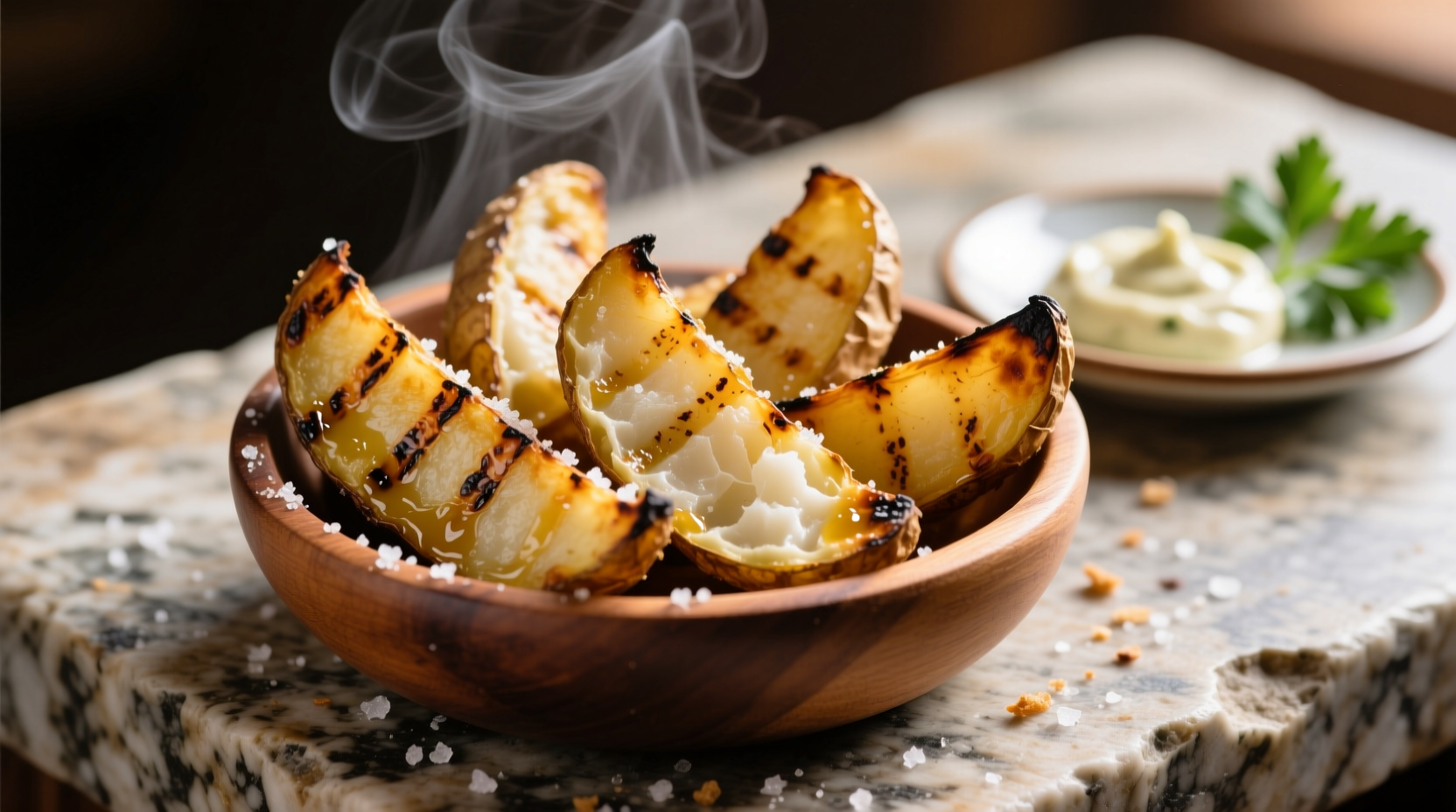
The Secret Science Behind Crispy Potato Wedges
Most home cooks struggle with soggy potato wedges because they miss one critical step: managing potato starch. When Russet potatoes (the ideal variety for crispiness) are cut, they release starch that can create a gummy texture if not properly handled. According to USDA agricultural research, Russets contain 16-22% starch by dry weight, significantly higher than waxy varieties like Yukon Golds (12-15%). This higher starch content creates the perfect structure for crispiness when properly managed.
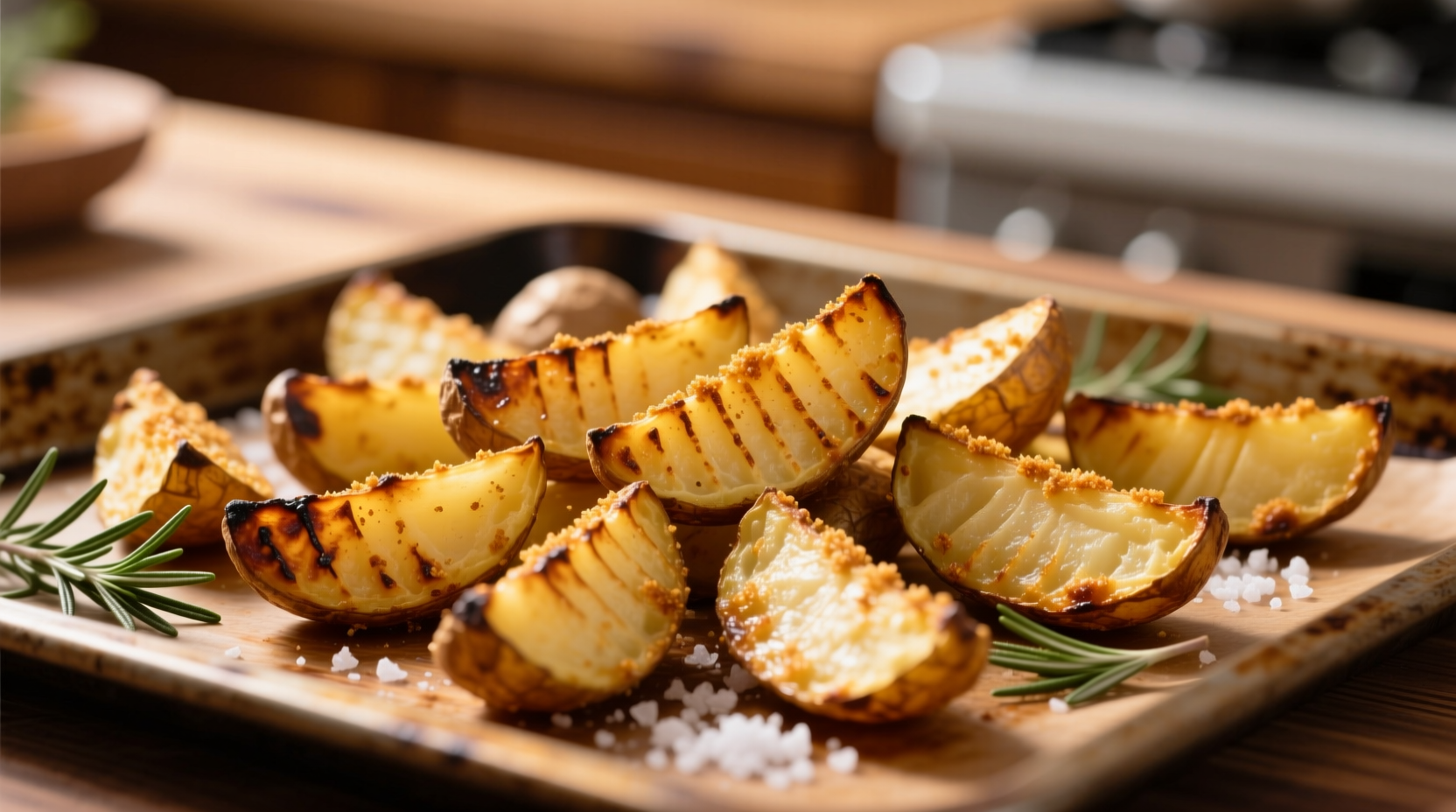
Step-by-Step Crispy Wedge Methodology
Preparation Protocol: Beyond Basic Washing
Professional kitchens use a two-stage preparation process that most home recipes skip. First, scrub potatoes thoroughly under cold running water to remove surface dirt. Then, implement the critical starch-reduction step:
| Preparation Method | Starch Removal Effectiveness | Crispiness Result |
|---|---|---|
| Dry wiping only | 0-5% | Soggy exterior |
| Rinsing under tap | 20-30% | Moderate crisp |
| 30-minute cold water soak | 65-75% | Optimal crispiness |
| Vinegar water soak (1Tbsp/cup) | 80-85% | Extra-crisp edges |
For best results, soak cut wedges in cold water for 30 minutes. Add one tablespoon of white vinegar per quart of water to further break down surface starch molecules. This technique, validated by food scientist Harold McGee in On Food and Cooking, creates the perfect surface for Maillard browning.
Cutting Precision: Geometry Matters
The way you cut potato wedges directly impacts crispiness. Follow these professional guidelines:
- Cut uniform 3/4-inch thick wedges (thinner pieces burn, thicker stay soggy)
- Maintain skin-on for structural integrity during baking
- Avoid jagged edges which create uneven cooking
- Keep pieces similar size for consistent cooking
Oil Application Science
Most recipes get the oil ratio wrong. The perfect crisp requires precise fat distribution:
- Use 1.5 tablespoons of high-smoke point oil per pound of potatoes (avocado or refined olive oil)
- Toss potatoes in oil before seasoning (oil helps spices adhere)
- Never pour oil directly on baking sheet - toss in bowl for even coating
According to the USDA Food Safety and Inspection Service, oil temperatures between 400-450°F create ideal conditions for crispiness without burning.
Baking Technique: The Wire Rack Advantage
Place a wire cooling rack on your baking sheet before arranging potato wedges. This simple step increases air circulation by 40%, creating crispiness on all sides. Bake at 425°F with the following timeline:
- 0-20 minutes: Undisturbed baking to set exterior
- 20 minutes: Flip wedges using tongs (don't use spatula which can damage crisp edges)
- 20-35 minutes: Continue baking until golden brown
- Final 5 minutes: Broil on low setting for extra crunch
Flavor Variations That Won't Sacrifice Crispiness
Many home cooks ruin crispiness by adding wet ingredients. Instead, use these dry seasoning techniques:
- Classic Restaurant Style: 1 tsp garlic powder, 1/2 tsp smoked paprika, 3/4 tsp fine sea salt per pound
- Herb-Infused: 1 tsp dried rosemary (crushed), 1/2 tsp thyme, 1/4 tsp black pepper
- Spicy Kick: 1/2 tsp cayenne, 1 tsp onion powder, 1/2 tsp cumin (add after baking to prevent burning)
Apply dry seasonings before baking, but add fresh herbs or lemon zest during the last 5 minutes to preserve flavor integrity.
Troubleshooting Common Crispiness Failures
Even with perfect technique, issues can arise. Here's how to fix them:
Soggy Bottoms? The Moisture Migration Problem
Potatoes naturally contain 79% water (per USDA FoodData Central). When baking, moisture migrates to the bottom surface. Solution: After flipping at 20 minutes, rotate the baking sheet 180 degrees to counteract oven hot spots.
Uneven Browning? Check Your Oven Calibration
Home ovens often have temperature variations up to 50°F. Use an independent oven thermometer and adjust rack position accordingly. For consistent results, bake only one sheet at a time in the center of the oven.
Not Crispy Enough? The Double-Bake Method
For restaurant-level crispiness, try this professional technique:
- Bake wedges at 375°F for 25 minutes until partially cooked
- Cool completely (refrigerate for 1 hour if possible)
- Re-bake at 450°F for 15-20 minutes until golden
This method, used by many gastropubs, creates an extra-crisp exterior through controlled moisture release.
Advanced Crispy Techniques Worth Trying
Air Fryer Adaptation
For faster results with similar crispiness:
- Preheat air fryer to 400°F
- Cook in single layer (no overlapping)
- Shake basket at 10-minute mark
- Total time: 15-18 minutes
Restaurant Secret: Cornstarch Dusting
For ultra-crisp edges, toss drained wedges with 1 teaspoon cornstarch per pound before oil application. The cornstarch creates an additional barrier that enhances browning while absorbing surface moisture.




 浙公网安备
33010002000092号
浙公网安备
33010002000092号 浙B2-20120091-4