
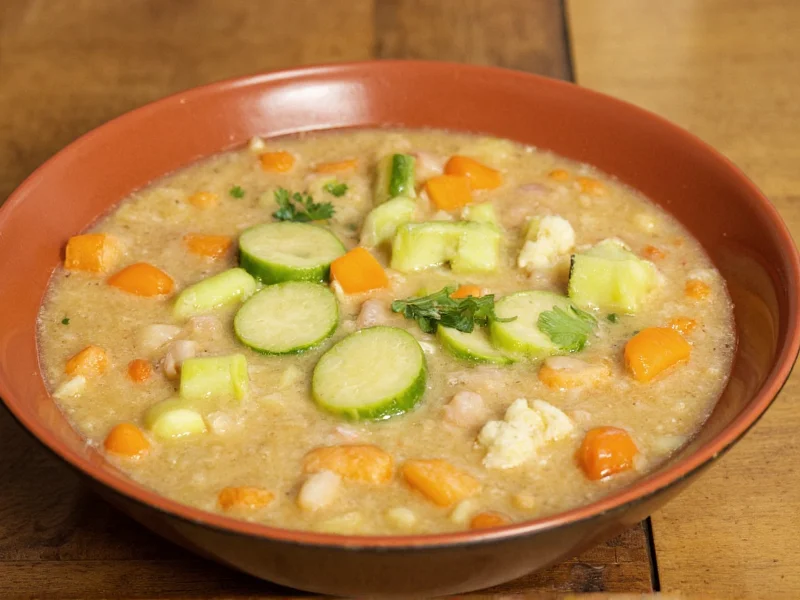
Creamy vegetable soup represents one of the most adaptable comfort foods in culinary tradition. Unlike traditional cream-based soups that rely on dairy, modern preparations often use vegetable purees or plant-based alternatives to achieve that signature smooth texture while boosting nutritional value. This approach creates a dish that's simultaneously hearty enough for cold weather yet light enough for year-round enjoyment.
What makes creamy vegetable soup exceptional is its nutritional density. By incorporating a rainbow of vegetables, you gain access to diverse vitamins, minerals, and antioxidants. The creaminess typically comes from natural thickeners like blended potatoes, cauliflower, or soaked cashews rather than heavy cream, making it suitable for various dietary preferences including vegan and lactose-intolerant diets. This simple substitution transforms a potentially heavy dish into a nutrient-packed meal that supports overall wellness without sacrificing satisfaction.
Essential Components of Perfect Creamy Vegetable Soup
The foundation of exceptional creamy vegetable soup rests on three critical elements: vegetable selection, cooking technique, and flavor balancing. Choosing seasonal vegetables ensures peak flavor and nutritional content, while proper cooking methods preserve both texture and nutrients. The magic happens when these elements combine to create a soup that's velvety smooth yet distinctly vegetable-forward.
| Vegetable | Best For | Preparation Tip |
|---|---|---|
| Cauliflower | Dairy-free creaminess | Steam before blending for maximum smoothness |
| Butternut squash | Natural sweetness | Roast to enhance caramelized flavors |
| Carrots | Color and beta-carotene | Sauté with aromatics for depth |
| Leeks | Mild onion flavor | Wash thoroughly to remove grit |
Step-by-Step Preparation Guide
Creating restaurant-quality creamy vegetable soup at home requires attention to technique rather than specialty ingredients. Begin by selecting 3-4 complementary vegetables based on seasonal availability. Popular combinations include cauliflower-potato for neutral creaminess, carrot-ginger for warmth, or broccoli-leek for earthy notes. Chop vegetables uniformly to ensure even cooking.
Sauté aromatics like onions, garlic, or leeks in olive oil until translucent but not browned. Add your main vegetables with enough vegetable broth to barely cover them. Simmer until vegetables pierce easily with a fork—typically 20-25 minutes. The critical step comes next: rather than adding cream, rely on the vegetables' natural starches by blending the entire mixture until perfectly smooth. An immersion blender works best for safety and convenience.
Customization Options for Dietary Needs
Creamy vegetable soup shines in its adaptability across dietary requirements. For vegan preparations, replace traditional dairy with soaked raw cashews blended with the soup base, creating an unexpectedly rich texture. Those managing carbohydrate intake can substitute potatoes with additional cauliflower. Adding a splash of unsweetened plant-based milk at the end enhances creaminess without altering flavor significantly.
Flavor variations abound depending on cultural influences and personal preferences. A French-inspired version might incorporate thyme and a touch of white wine, while an Indian adaptation could feature curry spices and coconut milk. The Japanese approach often includes miso paste for umami depth. These variations demonstrate how creamy vegetable soup serves as a culinary canvas adaptable to virtually any flavor profile.
Evidence-Based Base Selection: Nutrition and Context
Selecting the optimal base for creamy vegetable soup requires understanding both nutritional profiles and dietary constraints. Evidence from nutritional science and clinical dietetics provides clear guidance for matching bases to individual health goals. The following comparison, sourced from the USDA's FoodData Central database, highlights key nutritional differences between common base ingredients:
| Nutrient (per 100g) | Cauliflower (cooked) | Potato (boiled) | Cashews (raw, soaked) |
|---|---|---|---|
| Calories | 25 kcal | 77 kcal | 553 kcal |
| Total Fat | 0.3g | 0.1g | 44g |
| Carbohydrates | 5g | 17g | 30g |
| Dietary Fiber | 2g | 2.2g | 8.5g |
| Protein | 1.9g | 2g | 18g |
This data reveals important contextual considerations for dietary planning. For weight management, cauliflower provides the lowest caloric density while maintaining texture. Individuals following low-carbohydrate protocols should avoid potato bases due to higher starch content, opting instead for cauliflower or limited cashew usage. Those with nut allergies must eliminate cashews entirely, as confirmed by the FDA's food allergy guidelines. Additionally, Monash University's clinical research on FODMAPs indicates that cauliflower and cashews may trigger symptoms in sensitive individuals, making potato the safest low-FODMAP option when consumed in controlled portions (≤75g per serving).
Storage and Reheating Best Practices
Proper storage extends creamy vegetable soup's enjoyment while maintaining quality. Cool the soup completely before transferring to airtight containers, leaving one inch of headspace for expansion if freezing. Refrigerated soup stays fresh for 4-5 days, while frozen portions maintain quality for up to three months.
When reheating, avoid boiling which can cause separation, especially in dairy-free versions. Instead, warm gently over medium-low heat while stirring occasionally. For frozen soup, thaw overnight in the refrigerator before reheating. If the soup appears too thick after storage, restore ideal consistency with small additions of broth or water during reheating.
Avoiding Common Preparation Mistakes
Even experienced cooks encounter pitfalls when preparing creamy vegetable soup. Overcooking vegetables before blending destroys their natural sweetness and can create bitter notes. Adding cold liquids to hot blended soup risks splattering and uneven texture. Perhaps the most frequent error involves insufficient seasoning—vegetable soups require more salt than anticipated to make flavors pop.
Another critical consideration involves blending safety. Never fill a standard blender more than halfway with hot liquid, and always remove the center cap while covering with a towel to allow steam to escape safely. For optimal texture, blend in batches rather than overcrowding the blender. These precautions prevent accidents while ensuring professional-quality results.
Nutritional Profile and Health Benefits
Creamy vegetable soup delivers exceptional nutritional value when prepared thoughtfully. A standard serving typically contains 150-250 calories, depending on ingredients, with significant fiber content from the whole vegetables. The absence of heavy cream reduces saturated fat while maintaining satisfying texture through vegetable starches.
Regular consumption supports digestive health through soluble fiber and provides essential vitamins like A, C, and K. The antioxidant compounds in colorful vegetables combat inflammation, while the soup's high water content contributes to hydration. Unlike many comfort foods, properly prepared creamy vegetable soup nourishes the body while satisfying cravings for something rich and comforting—a rare culinary achievement.
Frequently Asked Questions
How can I make creamy vegetable soup without dairy?
The most effective dairy-free creamy vegetable soup uses starchy vegetables like potatoes, cauliflower, or white beans as natural thickeners. Soaked raw cashews blended with the soup create exceptional creaminess. Roasted root vegetables also contribute natural sweetness and body without dairy products.
Which vegetables work best for creamy texture?
Cauliflower, potatoes, sweet potatoes, and butternut squash provide excellent creaminess when blended. Combining these with softer vegetables like carrots or zucchini creates balanced texture. Avoid watery vegetables like cucumbers or tomatoes as primary ingredients, as they dilute the desired creamy consistency.
Can I freeze creamy vegetable soup successfully?
Yes, creamy vegetable soup freezes well when prepared correctly. Cool completely before freezing in portion-sized containers with headspace for expansion. Dairy-free versions freeze better than those with dairy. Thaw overnight in the refrigerator and reheat gently over medium-low heat, adding small amounts of broth if needed to restore consistency.
How do I prevent my soup from becoming grainy?
Graininess typically occurs from undercooked vegetables or insufficient blending. Ensure vegetables are fully tender before blending, and use a high-powered blender for at least 60-90 seconds. Straining through a fine-mesh sieve removes any remaining particles. Avoid adding cold liquids to hot blended soup, as temperature shock can cause separation.
What's the best way to enhance flavor in vegetable soup?
Sauté aromatics thoroughly before adding liquids, use homemade vegetable broth when possible, and finish with fresh herbs. A splash of acid like lemon juice or apple cider vinegar brightens flavors. Umami boosters like nutritional yeast, miso paste, or tomato paste deepen complexity without overpowering vegetable flavors.




 浙公网安备
33010002000092号
浙公网安备
33010002000092号 浙B2-20120091-4