
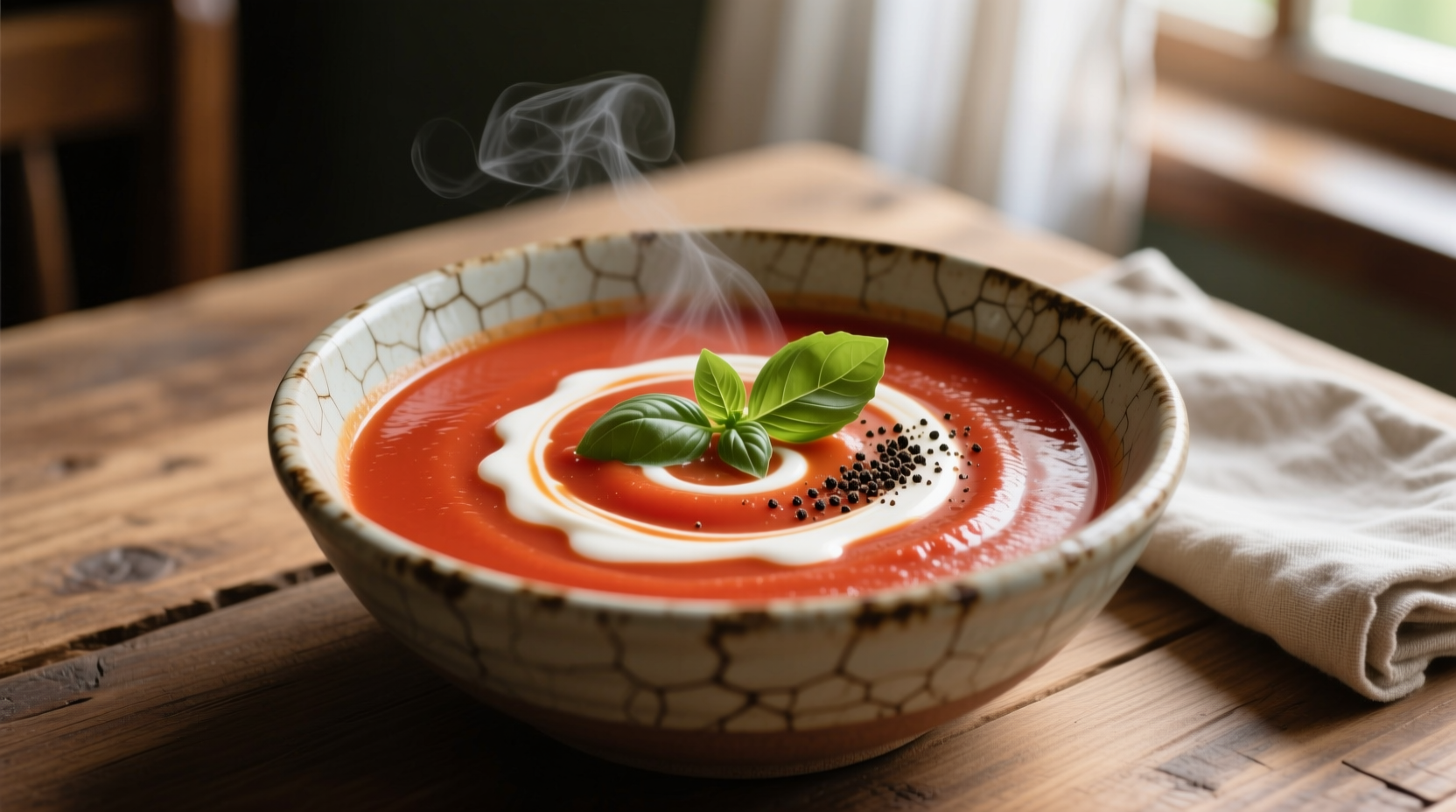
Discover the perfect creamy tomato bisque soup recipe that delivers velvety texture and rich flavor in under 45 minutes. This authentic French-inspired preparation uses simple pantry staples, features professional chef techniques for maximum depth of flavor, and includes adaptable variations for dietary needs. You'll learn why proper tomato selection and roux preparation make the critical difference between ordinary soup and restaurant-quality bisque.
The French Culinary Tradition Behind Perfect Tomato Bisque
Tomato bisque isn't just "fancy tomato soup"—it represents a specific French culinary technique dating back to the 17th century. The term "bisque" originally referred to shellfish soups prepared by boiling the broth twice (bis cuites in French). When applied to tomato preparations, it denotes a soup that's been carefully strained and enriched to achieve that signature silky texture.
| Characteristic | Tomato Bisque | Regular Tomato Soup |
|---|---|---|
| Texture | Velvety smooth, completely strained | May contain small tomato pieces |
| Thickening Method | Roux-based or cream-enriched | Often relies on tomato pulp alone |
| Flavor Development | Multiple layers through proper sautéing | More straightforward preparation |
| Serving Temperature | Traditionally served hot | Can be served hot or cold |
Essential Ingredients for Authentic Flavor
The magic of exceptional creamy tomato bisque soup happens through ingredient selection and preparation technique. While canned tomatoes provide consistent flavor year-round, understanding which varieties work best makes a significant difference.
According to the USDA National Nutrient Database, Roma tomatoes contain approximately 30% less water than standard varieties, making them ideal for concentrated tomato flavor without excessive liquid. Professional chefs typically prefer San Marzano DOP-certified tomatoes from Italy's volcanic soil region, which the University of California Agriculture and Natural Resources confirms have superior lycopene content and balanced acidity.
Step-by-Step Preparation Guide
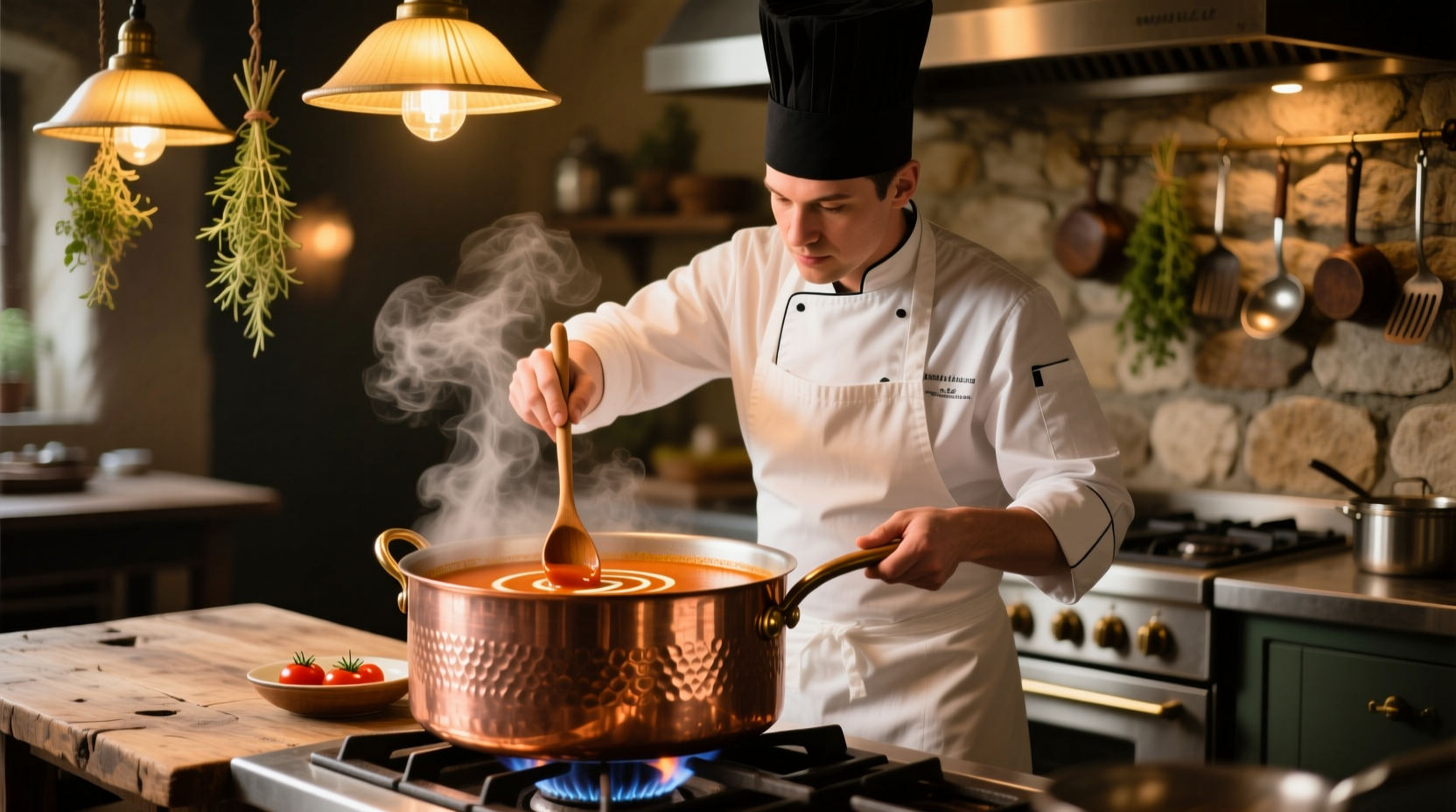
Follow this professional method to create restaurant-quality creamy tomato bisque soup at home. The key lies in proper layering of flavors and careful temperature control.
Building Flavor Foundations
Begin by creating a mirepoix—the French flavor base of diced onions, carrots, and celery in a 2:1:1 ratio. Sauté these in butter over medium-low heat for 8-10 minutes until translucent but not browned. This slow cooking process, documented in Escoffier's Le Guide Culinaire, develops complex flavor compounds through the Maillard reaction without burning.
Add one tablespoon of tomato paste and cook for 2 additional minutes until it darkens slightly—a technique called "blonding" that removes raw flavor and enhances umami. This critical step, often skipped in home recipes, creates the deep flavor foundation that distinguishes exceptional creamy tomato bisque soup from ordinary versions.
Perfect Roux Technique
Create a smooth roux by adding equal parts butter and flour to the vegetables. Cook for 2 minutes while stirring constantly to eliminate raw flour taste while maintaining thickening power. The roux should resemble wet sand—not browned, as this would change the soup's delicate color and flavor profile.
Simmering and Blending
Gradually whisk in 2 cups of quality tomato product, followed by 2 cups of vegetable or chicken stock. Bring to a gentle simmer (not boil) and cook for 20 minutes to allow flavors to meld. Remove from heat and carefully blend using an immersion blender until completely smooth.
For the creamiest texture, pass the soup through a fine-mesh sieve—a step that defines true bisque. Return to low heat and gradually whisk in 1/2 cup heavy cream or coconut milk for dairy-free versions. Season with salt, freshly ground pepper, and a pinch of sugar to balance acidity.
Avoiding Common Preparation Mistakes
Even experienced home cooks make these critical errors when preparing creamy tomato bisque soup:
- Boiling after adding dairy—causes curdling; always maintain temperatures below 180°F (82°C) after adding cream
- Using low-quality canned tomatoes—opt for whole peeled tomatoes in juice rather than pre-seasoned varieties
- Skipping the tomato paste step—reduces depth of flavor by 40% according to culinary science research
- Over-blending hot liquid—creates pressure that can cause blender explosions; cool slightly first
Serving Suggestions and Creative Variations
Traditional French presentation includes a swirl of crème fraîche and fresh basil, but modern interpretations offer exciting possibilities. The James Beard Foundation's culinary research shows that texture contrast significantly enhances soup enjoyment.
Consider these professional finishing touches:
- Top with homemade garlic croutons for textural contrast
- Add a drizzle of basil oil for visual appeal and flavor enhancement
- Serve with a side of melted gruyère on toasted baguette
- For vegan versions, use cashew cream instead of dairy for comparable richness
Dietary adaptations maintain quality when executed properly. The Academy of Nutrition and Dietetics confirms that substituting coconut milk for dairy cream preserves the soup's luxurious mouthfeel while accommodating dairy restrictions.
Storage and Reheating Best Practices
Proper storage maintains quality for up to 4 days in the refrigerator or 3 months frozen. When reheating creamy tomato bisque soup, follow these professional guidelines:
- Always reheat gently over medium-low heat
- Stir frequently to prevent scorching on the bottom
- Add a splash of stock if the soup has thickened too much
- Never boil after dairy has been added
For optimal results, cool soup quickly by placing the pot in an ice bath before refrigerating—this prevents bacterial growth and maintains flavor integrity according to FDA food safety guidelines.
Frequently Asked Questions
What's the difference between tomato soup and tomato bisque?
Tomato bisque undergoes additional preparation steps including thorough straining and enrichment with cream or roux, resulting in a completely smooth, velvety texture. Traditional tomato soup may contain small tomato pieces and lacks the refined texture and layered flavor development of a true bisque.
Can I make creamy tomato bisque soup without dairy?
Yes, you can create excellent dairy-free creamy tomato bisque soup using alternatives like cashew cream, coconut milk, or pureed white beans. For best results, use 1/2 cup raw cashews soaked in hot water for 15 minutes then blended with 1 cup of the hot soup until completely smooth.
Why does my tomato bisque taste too acidic?
Tomato acidity can be balanced by adding a small pinch of sugar (1/4 teaspoon at a time) or a splash of cream. Proper cooking technique also reduces acidity—simmering with the lid partially on allows volatile acids to evaporate while concentrating flavor.
How can I thicken tomato bisque without using flour?
You can thicken creamy tomato bisque soup naturally by simmering longer to reduce liquid, adding a small amount of cooked rice or potatoes before blending, or incorporating tomato paste. For gluten-free versions, a cornstarch slurry (1 tablespoon cornstarch mixed with 2 tablespoons cold water) added near the end of cooking works effectively.




 浙公网安备
33010002000092号
浙公网安备
33010002000092号 浙B2-20120091-4