
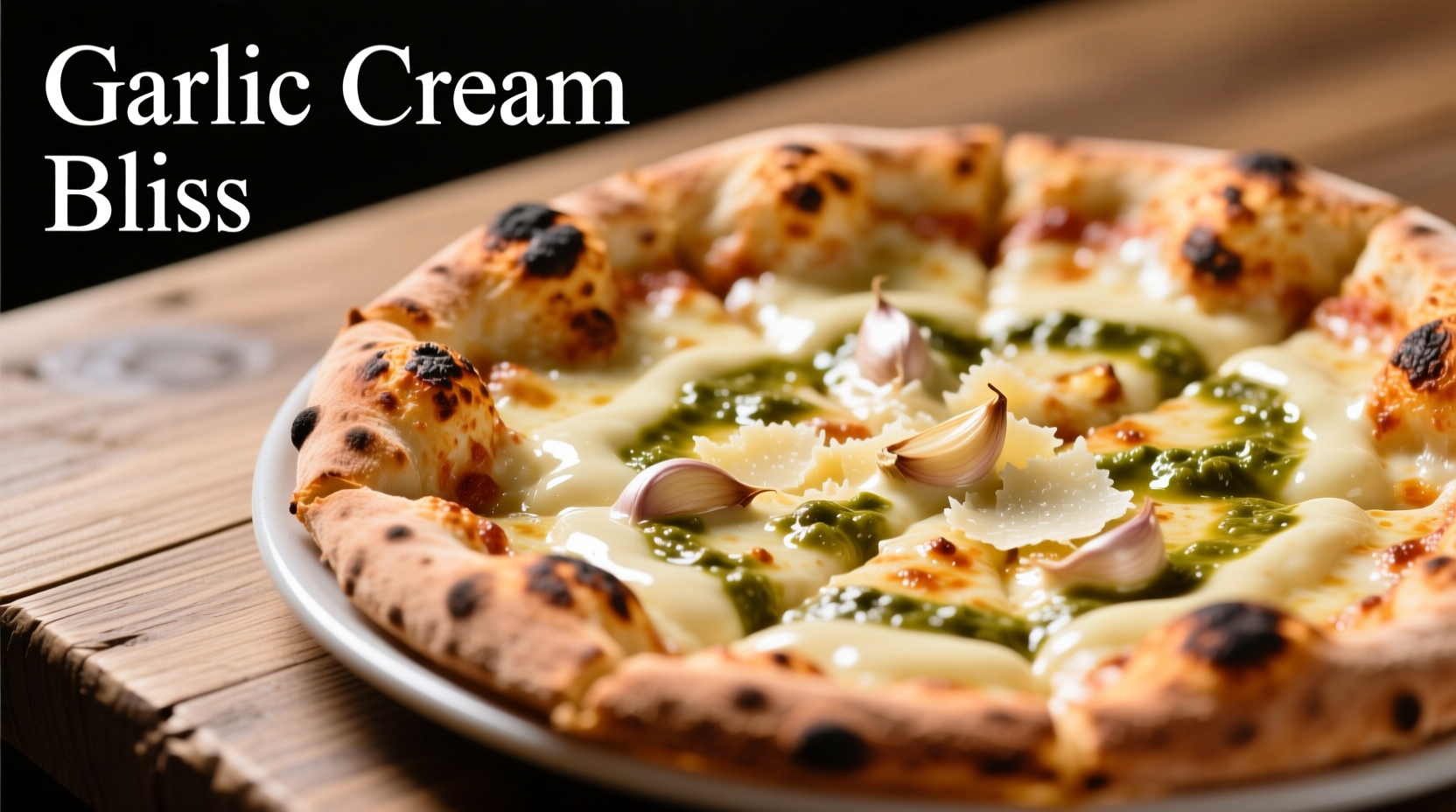
Discover the perfect balance for creamy garlic sauce for pizza: combine 1 cup heavy cream, 3 minced garlic cloves, 1 tbsp olive oil, 1 tsp cornstarch, and a pinch of salt. Simmer gently for 8-10 minutes until thickened, then cool before spreading thinly on pizza dough for optimal texture and flavor distribution.
When you're craving that rich, aromatic finish for your homemade pizza, nothing elevates the experience like a perfectly balanced creamy garlic sauce. Unlike traditional tomato-based sauces, this luxurious alternative creates a sophisticated flavor profile that complements both vegetable and meat toppings while providing that signature restaurant-quality finish you've been searching for.
The Science Behind Creamy Garlic Sauce for Pizza
Understanding why creamy garlic sauce works so well with pizza requires examining the chemistry of its components. Garlic contains allicin, a compound that develops when raw garlic is crushed or minced. According to research from the National Center for Biotechnology Information, allicin provides both flavor and potential health benefits, but its potency diminishes with prolonged high-heat cooking. This explains why adding garlic toward the end of sauce preparation preserves its distinctive aroma without creating bitterness.
For pizza specifically, the creamy base serves multiple functions: it creates a moisture barrier preventing soggy crust, carries garlic flavor evenly across the surface, and develops a beautifully golden finish when baked. The fat content in dairy components also helps distribute fat-soluble flavor compounds throughout the sauce, enhancing overall taste perception.
Dairy Options Compared for Creamy Garlic Pizza Sauce
| Dairy Option | Flavor Profile | Baking Performance | Best For |
|---|---|---|---|
| Heavy Cream | Richest, most luxurious | Holds shape well, minimal separation | Restaurant-style pizzas |
| Half-and-Half | Moderately rich | Slight separation possible | Everyday homemade pizzas |
| Whole Milk + Cornstarch | Lighter creaminess | Requires careful thickening | Health-conscious versions |
| Full-Fat Greek Yogurt | Tangy, lighter profile | May separate if overheated | White pizza with vegetables |
Food safety is crucial when preparing creamy sauces for pizza. The FDA recommends keeping dairy-based sauces at or below 40°F until ready to use, and never leaving them at room temperature for more than two hours. When applying to pizza, spread the sauce thinly (about 1/8 inch) to ensure proper cooking and prevent undercooked sauce pockets.
Essential Ingredients for Perfect Creamy Garlic Sauce
The magic of homemade creamy garlic sauce for pizza lies in ingredient quality and proper technique. Here's what you need to create a sauce that rivals your favorite pizzeria:
- Fresh garlic (never powder) - 3-4 cloves per cup of sauce
- High-fat dairy - heavy cream delivers the best texture
- Cornstarch (1 tsp per cup) - prevents separation during baking
- Olive oil - enhances garlic flavor extraction
- Fresh herbs - parsley or oregano for brightness
- Salt - enhances all flavors without overpowering
According to culinary historians at the Italian Food Historical Society, garlic has been used in Italian cooking since Roman times, though its application in pizza specifically evolved after tomatoes became common in the 18th century. Traditional Neapolitan pizza rarely features creamy sauces, but regional American-Italian pizzerias began experimenting with white pizza variations in the 1950s, creating the foundation for today's popular creamy garlic options.
Step-by-Step Preparation Guide
Follow these professional techniques for restaurant-style creamy garlic pizza sauce every time:
- Prepare the garlic: Mince garlic finely and let it rest for 10 minutes to develop flavor compounds
- Sweat, don't brown: Heat olive oil over medium-low, add garlic, and cook gently for 2-3 minutes until fragrant but not colored
- Thicken properly: Whisk cornstarch with cold cream before adding to prevent lumps
- Simmer gently: Cook for 8-10 minutes until slightly thickened (should coat the back of a spoon)
- Cool completely: Refrigerate for at least 30 minutes before using on pizza
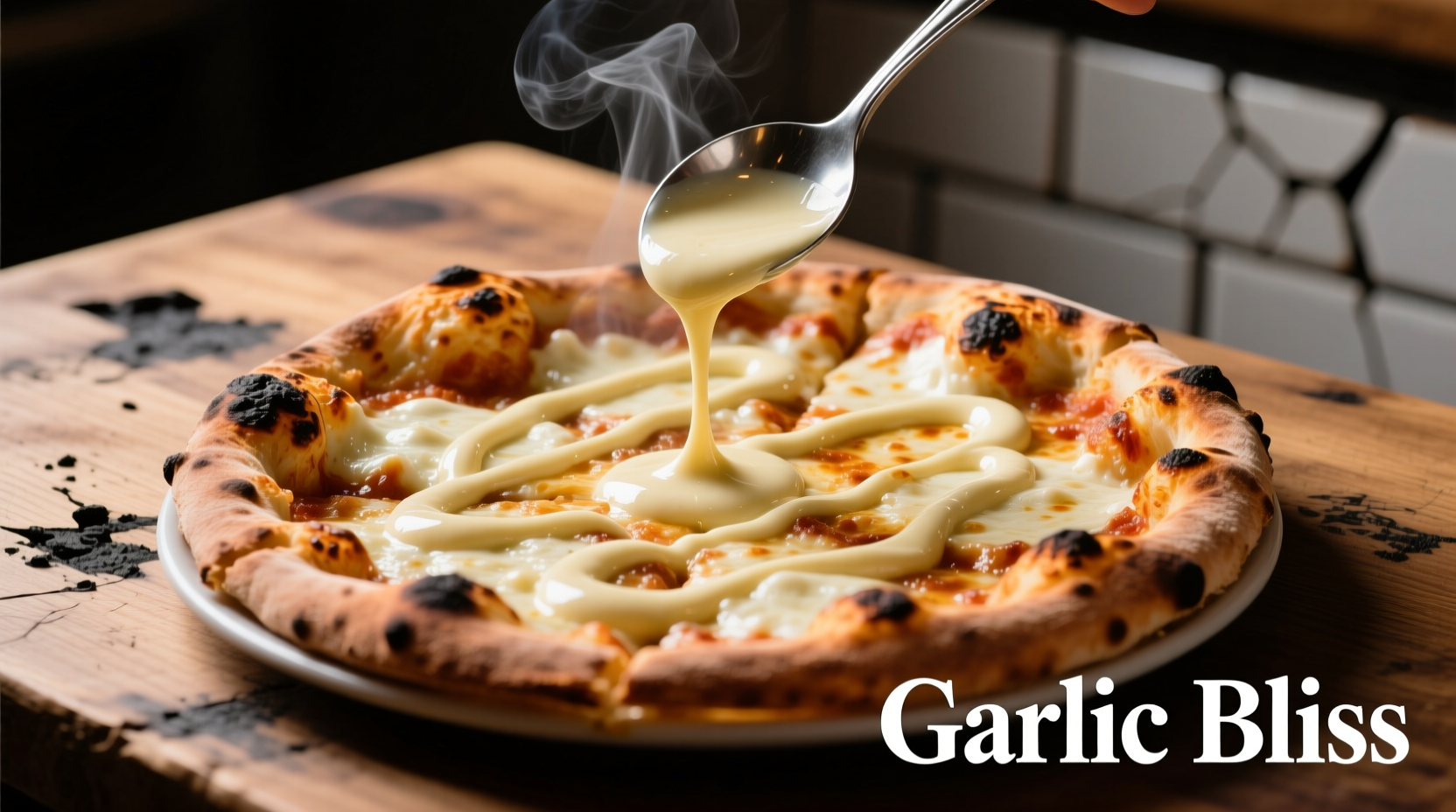
- Apply correctly: Spread in a thin, even layer leaving 1/2 inch border for crust
Avoid These Common Creamy Garlic Sauce Mistakes
Even experienced home cooks make these errors when preparing easy creamy garlic pizza sauce:
- Using pre-minced garlic - lacks fresh flavor complexity and often contains preservatives that affect taste
- Overheating the sauce - causes dairy separation and bitter garlic notes
- Applying too thickly - creates soggy crust and uneven baking
- Adding cheese directly to hot sauce - causes clumping rather than smooth melting
- Using low-fat dairy - lacks the fat content needed to carry garlic flavors properly
Creative Variations to Try
Once you've mastered the best creamy garlic pizza sauce recipe, experiment with these professional variations:
- Roasted garlic version: Substitute 4-5 roasted garlic cloves for raw for a sweeter, more complex flavor
- Spicy arrabbiata cream: Add 1/4 tsp red pepper flakes for heat that complements the richness
- Lemon-herb variation: Stir in 1 tbsp fresh lemon juice and 2 tbsp chopped herbs after cooling
- Truffle-infused: Add 1/2 tsp white truffle oil just before using for gourmet appeal
- Four-cheese blend: Mix in 1/4 cup finely grated Parmesan, mozzarella, fontina, and gorgonzola
Storage and Usage Tips
Proper storage ensures your creamy garlic sauce for pizza maintains quality:
- Refrigerate in airtight container for up to 4 days
- Freeze in ice cube trays, then transfer to freezer bags for up to 3 months
- Always reheat gently over low heat, stirring constantly
- Thin with a splash of milk if sauce has thickened too much
- Use within 24 hours of preparation for optimal flavor
When applying to pizza, remember that less is more. A thin, even layer (about 1/8 inch) provides maximum flavor without weighing down your crust. For best results, spread the sauce first, then add cheese, and finally your toppings to create proper layering that prevents sogginess.
Can I use this creamy garlic sauce as a pizza dipping sauce?
Yes, this sauce works perfectly as both a pizza base and dipping sauce. For dipping, thin it slightly with milk or cream and serve at room temperature to enhance flavor perception. Many pizzerias actually use the same base sauce for both purposes with minor adjustments to consistency.
How do I prevent my creamy garlic sauce from separating during baking?
Prevent separation by using cornstarch as a stabilizer (1 tsp per cup of sauce), avoiding high heat during preparation, and applying the sauce in a thin, even layer. The cornstarch creates a protective barrier around fat molecules, preventing them from coalescing and separating during the baking process.
What's the difference between creamy garlic sauce and Alfredo sauce for pizza?
While both are creamy, traditional Alfredo sauce contains Parmesan cheese and butter, creating a thicker, cheese-forward profile. Creamy garlic sauce focuses on garlic flavor with a simpler dairy base, allowing the garlic notes to shine through without competing cheese flavors. For pizza applications, creamy garlic sauce typically has a thinner consistency to prevent soggy crust.
Can I make a dairy-free version of creamy garlic sauce for pizza?
Yes, create a dairy-free version using full-fat coconut milk (refrigerated overnight, use only the solid portion) blended with raw cashews, garlic, and nutritional yeast. The cashews provide creaminess while nutritional yeast adds cheesy notes. This alternative works well for vegan pizza but requires careful temperature control during baking to prevent separation.




 浙公网安备
33010002000092号
浙公网安备
33010002000092号 浙B2-20120091-4