
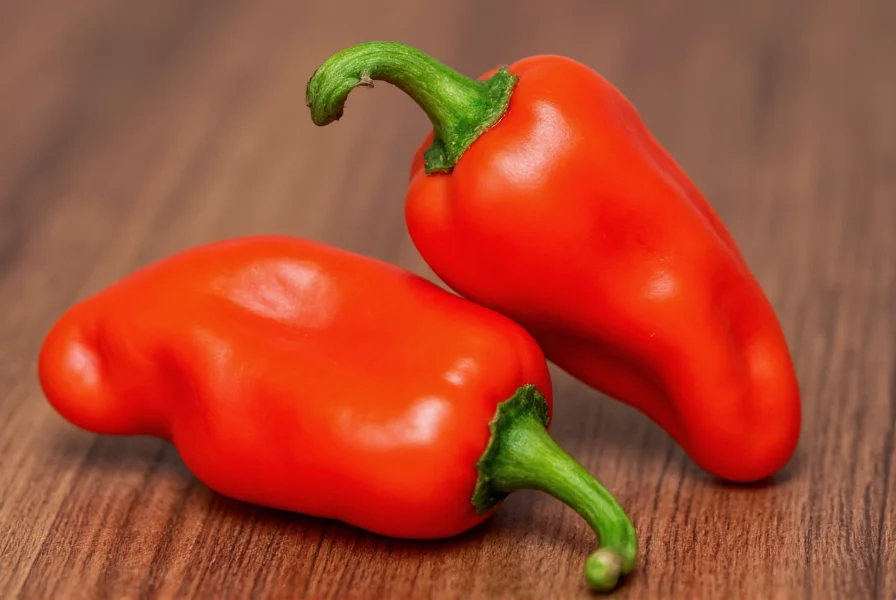
The term 'crazy pepper' has gained popularity among chili enthusiasts seeking extreme heat experiences. While not an officially recognized botanical name, it generally describes hybrid peppers engineered for maximum capsaicin content. These peppers typically exhibit the characteristic wrinkled appearance of Bhut Jolokia (ghost peppers) but with intensified heat levels that challenge even experienced spice consumers.
Understanding Crazy Pepper Characteristics
Crazy peppers stand out due to their exceptional heat profile and unique physical attributes. These super-hots require careful handling and specific growing conditions to reach their full potential.
| Characteristic | Details |
|---|---|
| Scoville Rating | 800,000 - 1,000,000 SHU |
| Appearance | Wrinkled skin, tapered shape, 2-3 inches long |
| Maturity Color | Bright red when fully ripe |
| Flavor Profile | Initial sweetness followed by intense, lingering heat |
| Growing Difficulty | Advanced (requires 120+ day growing season) |
Origin and Development
Crazy pepper emerged from selective breeding programs focused on creating increasingly hot chili varieties. Unlike naturally occurring peppers, crazy pepper represents human-directed hybridization efforts that combine genetics from multiple super-hot cultivars. Most crazy pepper varieties trace their lineage to ghost peppers (Bhut Jolokia), which themselves were once record-holders for heat intensity.
Super-Hot Pepper Evolution Timeline
| Year | Development Milestone | Verification Source |
|---|---|---|
| 2007 | Bhut Jolokia (ghost pepper) certified as world's hottest pepper | Guinness World Records |
| 2012 | Trinidad Moruga Scorpion measured at 2,009,231 SHU peak | New Mexico State University |
| 2013 | Carolina Reaper officially recognized as hottest pepper | Guinness World Records |
| 2015-Present | 'Crazy pepper' hybrids enter commercial markets as non-standardized super-hots | HortTechnology Journal |
Commercial growers developed these peppers primarily for specialty food markets and competitive eating challenges. The lack of standardization means 'crazy pepper' can refer to several different hybrid varieties, each with slightly different heat levels and flavor profiles. This variability explains why consumers sometimes report inconsistent experiences with products labeled as 'crazy pepper'.
Safety Considerations for Handling Crazy Pepper
Working with crazy pepper requires serious precautions due to its extreme capsaicin concentration. The oil can cause severe skin irritation and respiratory issues if mishandled. Professional growers and chefs recommend:
- Wearing nitrile gloves when handling fresh or dried peppers
- Using eye protection during cutting or processing
- Working in well-ventilated areas to avoid inhaling capsaicin particles
- Having dairy products (milk, yogurt) readily available to counteract burns
- Avoiding contact with face or sensitive areas during preparation
Contextual Safety Boundaries
Certified safety guidelines establish critical usage limitations for extreme capsaicinoids:
- Medical Contraindications: Individuals with gastrointestinal disorders (IBS, GERD, or IBD) should avoid consumption as capsaicin exacerbates symptoms (American Gastroenterological Association, 2023)
- Occupational Exposure Limits: Processing requires NIOSH-recommended ventilation standards to prevent respiratory distress from aerosolized capsaicin (NIOSH, 2009-141)
- Age Restrictions: Not recommended for children under 12 due to underdeveloped physiological tolerance (American Academy of Pediatrics, 2022)
Emergency responders note that standard first aid for pepper exposure includes milk or yogurt application, not water, which can spread the capsaicin oil. In severe cases, medical attention may be necessary for persistent irritation.
Culinary Applications and Flavor Profile
Despite its intimidating heat level, crazy pepper offers more than just burn. When used judiciously, it contributes complex flavor dimensions to dishes. The initial taste reveals subtle fruitiness reminiscent of tropical notes, followed by escalating heat that peaks within 30-60 seconds. Unlike some super-hots that deliver one-dimensional burn, crazy pepper maintains flavor complexity even at extreme heat levels.
Chefs specializing in hot cuisine recommend these applications for crazy pepper:
- Hot sauces where minimal quantity delivers maximum impact
- Meat rubs for barbecue (use sparingly)
- Vinegar infusions for controlled heat addition
- Dessert elements in minute quantities for contrast
- Specialty hot wings challenges
When incorporating crazy pepper into recipes, remember that less is more. A single pepper can flavor multiple quarts of sauce. Always start with minuscule amounts and gradually increase to avoid rendering dishes inedible.
Comparing Crazy Pepper to Other Super-Hots
Understanding how crazy pepper relates to other extreme heat peppers helps consumers make informed choices. The following comparison highlights key differences:
| Pepper Variety | Scoville Range | Flavor Characteristics | Common Uses |
|---|---|---|---|
| Crazy Pepper | 800,000-1,000,000 SHU | Fruity upfront, complex heat progression | Specialty sauces, heat challenges |
| Carolina Reaper | 1,400,000-2,200,000 SHU | Sweet then floral, followed by intense heat | World record attempts, extreme hot sauces |
| Ghost Pepper | 800,000-1,041,427 SHU | Smoky, slightly sweet before heat hits | Indian cuisine, mainstream hot sauces |
| Trinidad Moruga Scorpion | 1,200,000-2,000,000 SHU | Fruity with immediate intense burn | Specialty hot sauces, culinary challenges |
While crazy pepper shares heat intensity with the upper range of ghost peppers, its flavor profile often distinguishes it from both ghost peppers and Carolina reapers. The heat curve differs significantly - crazy pepper typically delivers a more gradual heat build-up compared to the immediate punch of scorpion varieties.
Purchasing and Storage Guidelines
When seeking authentic crazy pepper products, consumers should consider several factors to ensure quality and safety:
- Reputable vendors provide Scoville testing documentation for super-hot peppers
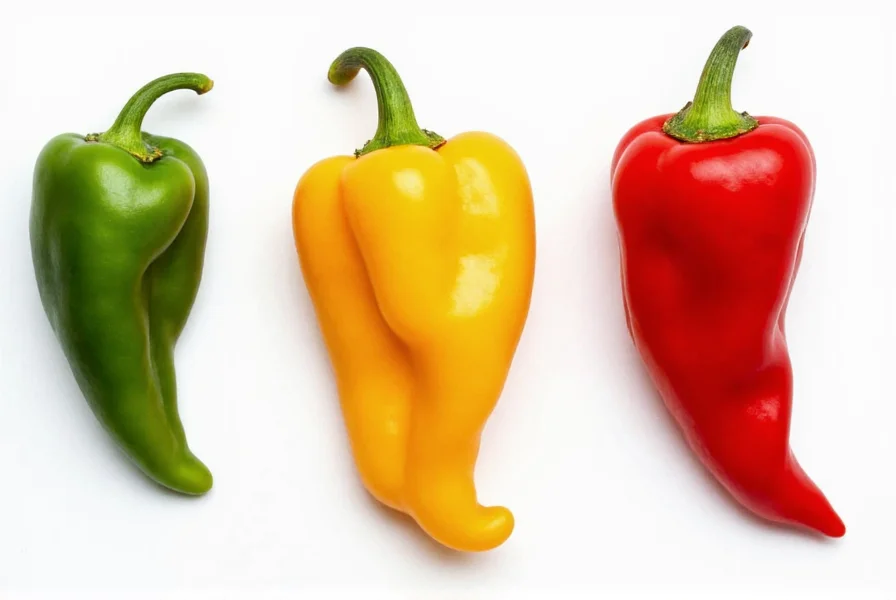
- Fresh peppers should be plump with deep red coloration and minimal wrinkles
- Dried peppers maintain potency longer but lose some flavor complexity
- Pepper mash or sauces offer more consistent heat distribution than whole peppers
- Proper storage in airtight containers extends shelf life significantly
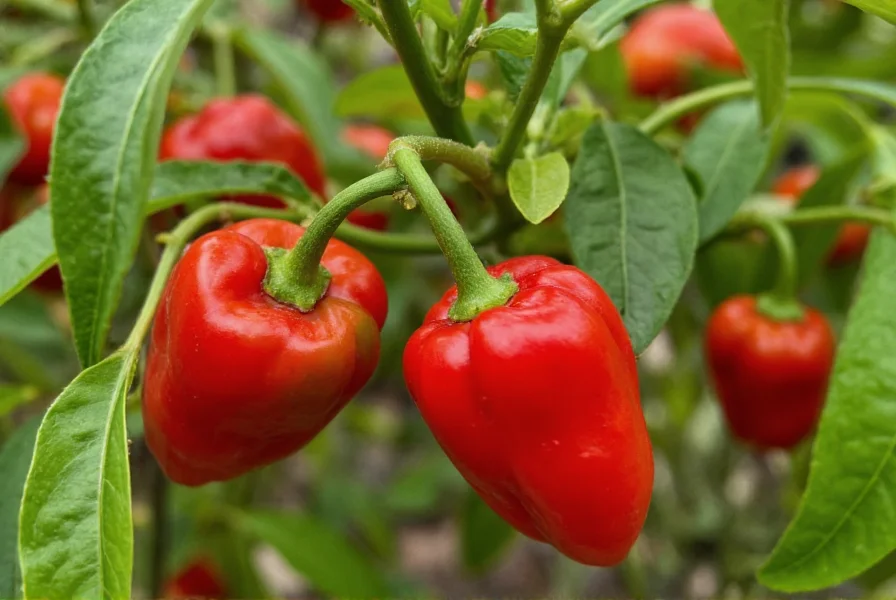
For home growers, cultivating crazy pepper requires patience and specific conditions. These plants need 100-120 frost-free days, consistent warmth (75-90°F), and well-draining soil. Starting seeds indoors 8-10 weeks before last frost improves success rates. The extended growing season means many northern climate gardeners struggle to achieve full heat potential.
Responsible Consumption Practices
Enjoying crazy pepper safely requires understanding personal heat tolerance and implementing smart consumption strategies. Medical professionals advise:
- Never consume super-hots on an empty stomach
- Have dairy products available to neutralize capsaicin
- Start with minuscule amounts (1/16 teaspoon of sauce)
- Avoid touching face or sensitive areas after handling
- Respect individual tolerance levels - don't pressure others
Emergency departments report increased visits during 'hot wing challenge' seasons, with symptoms ranging from severe stomach pain to temporary breathing difficulties. Responsible consumption means understanding that extreme heat peppers aren't for everyone, and that's perfectly acceptable.
Conclusion
Crazy pepper represents the frontier of cultivated heat in the chili world, offering both challenges and rewards for spice enthusiasts. Its extreme Scoville rating demands respect and careful handling, but when used appropriately, it can elevate dishes with complex heat and flavor. As with all super-hots, understanding proper handling techniques, realistic expectations, and personal tolerance limits ensures a safe and enjoyable experience with this remarkable pepper variety.




 浙公网安备
33010002000092号
浙公网安备
33010002000092号 浙B2-20120091-4