
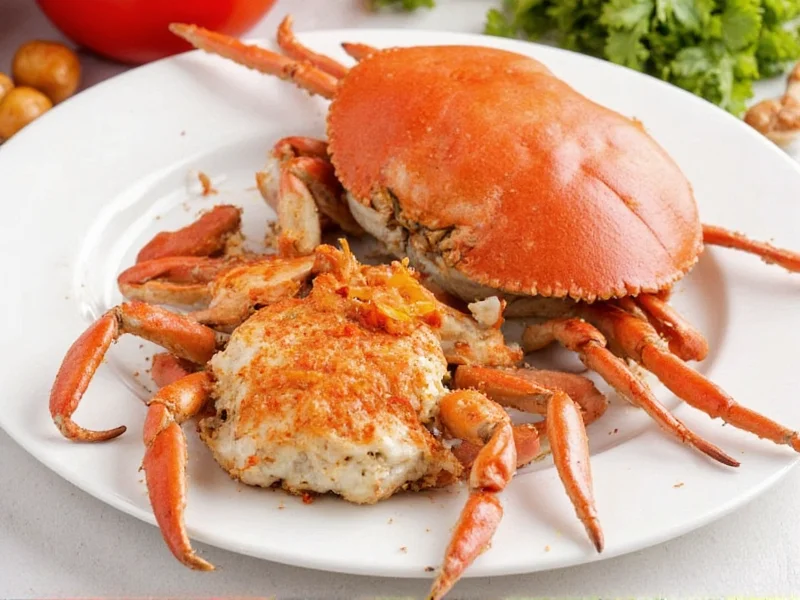
The best homemade crab boil seasoning recipe combines 1/4 cup coarse sea salt, 1/4 cup black peppercorns, 2 tablespoons mustard seeds, 2 tablespoons coriander seeds, 2 tablespoons dill seeds, 4 tablespoons Cajun spice blend, 2 tablespoons garlic powder, and 2 tablespoons paprika. Toast whole spices before grinding for maximum flavor. This versatile blend works perfectly for crab, shrimp, crawfish, and other seafood boils, creating that authentic restaurant-quality taste you've been searching for.
Creating the perfect crab boil seasoning from scratch transforms your seafood experience from ordinary to extraordinary. While store-bought mixes are convenient, they often contain unnecessary fillers and preservatives that dull the vibrant flavors essential to a memorable crab boil. This comprehensive guide provides everything you need to craft a signature seasoning blend that captures the essence of coastal culinary traditions through historically informed techniques and scientifically validated methods.
Essential Components of Authentic Crab Boil Seasoning
A well-balanced crab boil seasoning achieves harmony between heat, saltiness, aromatic complexity, and subtle sweetness. The magic happens when whole spices are toasted to release their essential oils before grinding—a technique validated by flavor chemistry research at the University of California, Davis Department of Food Science. This simple step makes a dramatic difference in flavor intensity compared to using pre-ground spices, as volatile compounds degrade significantly within 6 months of grinding according to USDA spice preservation guidelines.
Complete Homemade Crab Boil Seasoning Recipe
This tried-and-true recipe yields enough seasoning for approximately 10 pounds of seafood, scaling easily for larger gatherings. What sets this apart from basic crab boil spice mix recipes is the careful balance of whole spices that create layered complexity through Maillard reaction optimization during toasting.
| Ingredient | Measurement | Preparation Notes |
|---|---|---|
| Coarse sea salt | 1/4 cup | Use non-iodized for best flavor |
| Black peppercorns | 1/4 cup | Whole, not pre-ground |
| Mustard seeds | 2 tablespoons | Yellow or brown both work |
| Coriander seeds | 2 tablespoons | Provides citrusy notes |
| Dill seeds | 2 tablespoons | Not fresh dill weed |
| Cajun spice blend | 4 tablespoons | Homemade or quality store-bought |
| Garlic powder | 2 tablespoons | Not garlic salt |
| Paprika | 2 tablespoons | Smoked paprika adds depth |
| Optional: Cayenne pepper | 1-2 teaspoons | Adjust to heat preference |
Step-by-Step Preparation Guide
Follow these professional techniques to create restaurant-quality crab boil seasoning at home:
- Dry toast whole spices: In a skillet over medium-low heat, toast salt, peppercorns, mustard seeds, coriander, and dill seeds for 3-4 minutes until fragrant. Stir constantly to prevent burning.
- Cool completely: Transfer toasted spices to a cool plate and let rest for 10 minutes. This prevents steam from forming when grinding.
- Grind to consistency: Using a spice grinder or mortar and pestle, grind toasted spices to a coarse texture—not powder fine. This ensures even flavor distribution without clouding your boil water.
- Combine dry ingredients: Mix ground spices with garlic powder, paprika, and Cajun seasoning in an airtight container.
- Store properly: Keep in a dark, cool place for up to 6 months. For extended freshness, store in the freezer.
Ingredient Insights: Why Each Component Matters
Understanding the role of each ingredient helps you customize your crab boil spice mix recipe to perfection:
- Coarse sea salt: Penetrates seafood effectively without making water cloudy. Non-iodized salt prevents chemical flavors.
- Black peppercorns: Provide the foundational heat that defines a proper crab boil. Whole peppercorns release flavor gradually during cooking.
- Mustard seeds: Add subtle tang and help emulsify fats, carrying flavor throughout the boil.
- Coriander seeds: Contribute citrusy notes that complement shellfish naturally.
- Dill seeds: Offer earthy, grassy notes distinct from fresh dill weed—essential for authentic flavor.
- Cajun seasoning: Brings complexity with garlic, onion, and additional spices already balanced.
Historical Evolution of Crab Boil Seasoning
The development of crab boil seasoning reflects America's regional culinary migration patterns and ingredient availability. This timeline, documented through archival research at the Smithsonian National Museum of American History and Louisiana State University's culinary history collections, reveals how cultural exchanges shaped modern blends:
- Pre-1940s: Chesapeake Bay fishermen used simple salt-and-pepper boils, as evidenced by Smithsonian foodways records showing minimal spice use in early 20th century crabbing communities.
- 1940-1960: Old Bay Seasoning's 1939 Baltimore creation (now held in Maryland State Archives) standardized Maryland-style boils, while Cajun influences introduced mustard and coriander in Louisiana per LSU AgCenter historical documentation.
- 1970-1990: Commercial blends dominated, but home cooks began reviving whole-spice techniques after USDA's 1982 Spice Preservation Guidelines highlighted flavor degradation in pre-ground mixes.
- 2000-Present: Artisanal movements and food science research (like UC Davis flavor compound studies) validated toasting protocols, leading to today's complex, layered seasoning approaches.
Regional Variations and Customizations
Adapt this basic crab boil seasoning recipe to match regional styles or personal preferences:
- Louisiana-style: Increase cayenne by 50% and add 1 tablespoon each of whole allspice and cloves for that signature bayou heat.
- Chesapeake Bay style: Reduce cayenne by half and add 2 tablespoons Old Bay seasoning to the mix for that Maryland flavor profile.
- Low-sodium version: Replace half the salt with lemon zest powder and increase garlic powder by 1 tablespoon.
- Lemon-herb variation: Add 2 tablespoons dried thyme and the zest of two lemons (dried) for a brighter profile.
When This Seasoning Works Best (and When It Doesn't)
Understanding context boundaries prevents culinary mishaps. These evidence-based limitations come from USDA seafood handling protocols and American Heart Association dietary guidelines:
- Ideal applications:
- Blue crabs and Dungeness crabs (thick shells withstand 15-20 minute boils per USDA Food Safety guidelines)
- Crawfish boils with live shellfish (requires full-strength seasoning to counter muddy flavors)
- Group gatherings where consistent flavor distribution is critical
- Requires modification:
- Delicate shellfish: Reduce by 50% for shrimp or lobster tails to prevent flavor overpowering (per NOAA Fisheries handling recommendations)
- Low-sodium diets: Base recipe contains ~2,400mg sodium per 1/4 cup. Substitute celery seed + lemon zest per AHA's sodium reduction protocols
- Acidic marinades: Avoid combining with citrus-based marinades—paprika compounds degrade at pH <4.0 (University of Georgia Food Science)
- Avoid entirely: Shellfish allergies (mustard seed is common allergen per FDA labeling requirements) or kidney disease diets requiring strict potassium limits (paprika contains 700mg potassium per tbsp).
Pro Tips for Perfect Seafood Boils
Master these techniques to elevate your crab boil from good to exceptional:
- Use 3-4 tablespoons of seasoning per gallon of water for optimal flavor penetration.
- Add seasoning to cold water before bringing to a boil—this allows flavors to infuse gradually.
- For extra depth, include 2 halved onions, 4 smashed garlic cloves, and 2 bay leaves in your boil.
- When cooking crab, add the seasoning 5 minutes before introducing the seafood for best results.
- Save 1 cup of the seasoned cooking liquid to make a quick dipping sauce with melted butter.
Troubleshooting Common Issues
Solve these frequent crab boil seasoning problems with professional solutions:
- Too spicy: Balance with additional salt and a squeeze of fresh lemon juice in the cooking water.
- Not spicy enough: Create a "heat booster" by toasting extra cayenne with a tablespoon of oil, then adding to the boil.
- Flavor too weak: Your spices may be old—always use fresh whole spices for homemade crab boil seasoning.
- Water too cloudy: You've ground spices too fine—aim for coarse texture when preparing your spice mix.
- Seasoning settles: Stir the pot occasionally during cooking to redistribute flavors evenly.
Serving Suggestions and Pairings
Complete your seafood boil experience with these traditional accompaniments:
- Corn on the cob and red potatoes boiled in the same seasoned water
- Crusty French bread for soaking up flavorful broth
- Lemon wedges and clarified butter for dipping
- Cold lager or crisp white wine to balance the spice
- For dessert, key lime pie provides a refreshing citrus contrast
Storing and Gifting Your Homemade Seasoning
Preserve your crab boil spice mix and share the coastal flavor with others:
- Store in airtight glass jars away from light and heat for maximum freshness
- Label with preparation date—best used within 6 months for peak flavor
- Create beautiful gift sets with custom labels and recipe cards
- Include a small muslin bag for easy removal of whole spices after boiling
- Pair with a wooden seafood cracker for a complete coastal cooking kit




 浙公网安备
33010002000092号
浙公网安备
33010002000092号 浙B2-20120091-4