
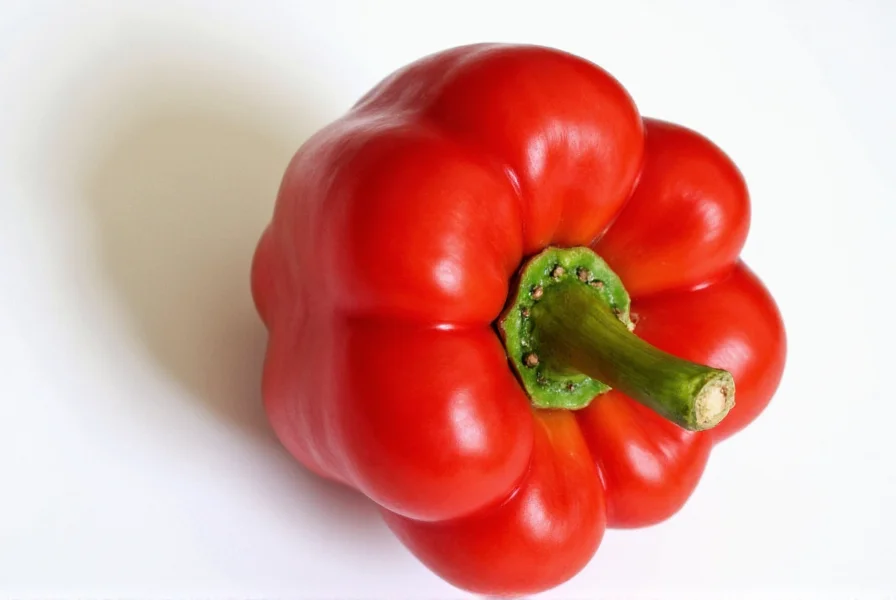
Cowhorn peppers represent one of the most versatile sweet pepper varieties for home gardeners and culinary enthusiasts. Unlike their fiery relatives, these elongated peppers deliver minimal heat while providing exceptional flavor complexity that enhances numerous dishes. Understanding their unique characteristics helps both novice gardeners and experienced cooks make the most of this underappreciated pepper variety.
Physical Characteristics of Cowhorn Peppers
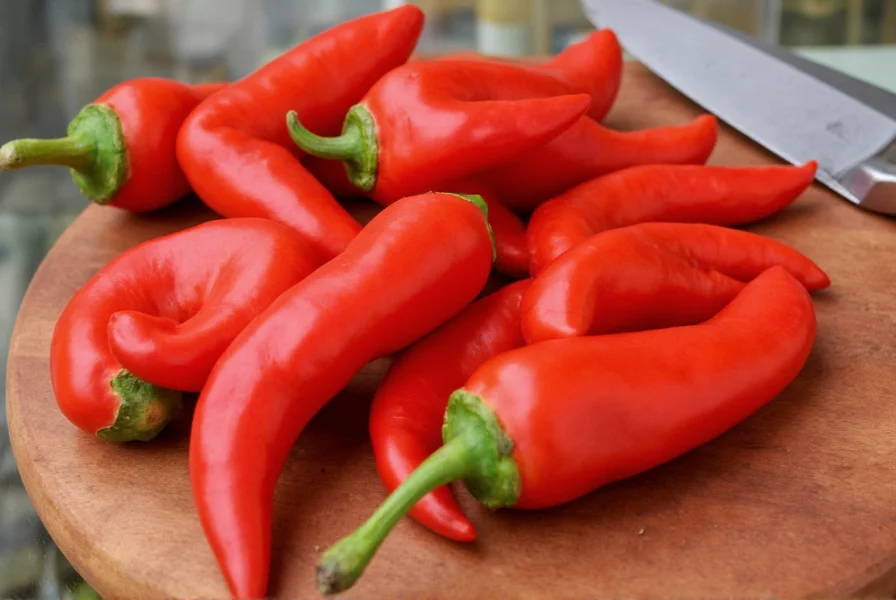
Cowhorn peppers earn their name from their distinctive curved shape that resembles a bovine horn. These peppers typically grow 6-8 inches in length with a noticeable taper at one end. When immature, they appear glossy green, gradually transitioning through yellow and orange stages before reaching their final vibrant red maturity. The walls are relatively thick compared to other sweet peppers, making them excellent for stuffing and frying applications.
Historical Evolution: The Cowhorn Pepper Timeline
Documented cultivation of cowhorn peppers in the American South spans over a century, reflecting their deep cultural integration. According to Slow Food USA's Ark of Taste—which catalogs endangered heritage foods—the variety has been continuously grown in Southeastern homesteads since the early 1900s. Key developments include:
- Early 1900s: Emerged as a preferred garden variety among Appalachian and Deep South communities for its adaptability to regional soil conditions.
- 1940s-1950s: Featured prominently in regional canning guides as a prime candidate for pickling due to its thick walls and mild flavor.
- 1980s: Nearly disappeared from commercial cultivation, surviving only through seed-saving networks among Southern gardeners.
- 2001: Listed on Slow Food USA's Ark of Taste, catalyzing renewed interest among specialty growers.
Source: Slow Food USA: Cow Horn Pepper
Flavor Profile and Heat Level
Among pepper enthusiasts, cowhorn peppers are celebrated for their remarkably mild heat profile. Registering between 500-1,000 Scoville Heat Units (SHU), they sit at the very bottom of the heat scale—comparable to pimento peppers and significantly milder than jalapeños (2,500-8,000 SHU). Their flavor profile features a sweet, slightly tangy taste with subtle earthy undertones that intensify as the peppers mature from green to red.
When comparing cowhorn pepper vs banana pepper, both share similar mild heat levels, but cowhorns typically offer a more complex flavor profile with less pronounced sweetness than banana peppers. This makes them particularly valuable in recipes where you want pepper flavor without overwhelming sweetness.
Culinary Applications
Cowhorn peppers shine in numerous culinary applications thanks to their thick walls and mild flavor. Southern cooks particularly prize them for:
- Frying: Their size and shape make them ideal for slicing into "cowhorn pepper rings" that fry up crispy while maintaining structure
- Pickling: They absorb brines beautifully while retaining their distinctive shape
- Stuffing: The curved cavity accommodates fillings better than straighter pepper varieties
- Roasting: Their thick walls withstand roasting without disintegrating
- Raw applications: Sliced thin for salads or sandwiches where mild pepper flavor is desired
Professional chefs often recommend using mature red cowhorn peppers in dishes where cowhorn pepper substitute options might fall short, as their unique curved shape creates visual interest that straighter peppers cannot replicate.
Contextual Limitations: When Cowhorn Peppers Fall Short
While exceptionally versatile, cowhorn peppers have specific limitations that affect their suitability for certain applications. Understanding these boundaries prevents culinary disappointments and optimizes usage:
- Heat-dependent dishes: Their minimal capsaicin content (500-1,000 SHU) makes them unsuitable for recipes requiring noticeable heat, such as traditional salsas or hot sauces where jalapeños or cayennes are essential.
- Long-term preservation: According to the National Center for Home Food Preservation, sweet peppers like cowhorns lack the natural preservative properties of capsaicin, resulting in shorter shelf stability in pickled or canned forms compared to hotter varieties.
- Commercial processing: Their irregular curved shape creates challenges for uniform slicing in industrial settings, making straighter varieties like cubanelles preferable for commercial stuffed pepper production.
- Flavor intensity: In dishes requiring bold pepper flavor (e.g., robust Italian sauces), their subtle earthiness may get lost compared to more pungent sweet peppers like gypsy peppers.
Source: National Center for Home Food Preservation: Pickling Peppers
Growing Cowhorn Peppers Successfully
For home gardeners interested in cultivating these distinctive peppers, understanding proper cowhorn pepper growing tips ensures optimal harvests. These peppers thrive in warm climates with full sun exposure and well-draining soil. Start seeds indoors 8-10 weeks before the last frost date, then transplant outdoors when soil temperatures consistently exceed 65°F (18°C).
Unlike many sweet peppers, cowhorn varieties benefit from consistent moisture without waterlogging. Mulching helps maintain soil moisture while preventing weeds. When determining when to harvest cowhorn peppers, most gardeners prefer picking them at the green stage for frying applications, though allowing them to fully mature to red increases sweetness and nutritional content.
| Pepper Characteristic | Cowhorn Pepper | Banana Pepper | Cubanelle Pepper |
|---|---|---|---|
| Shape | Curved, tapered horn | Straight, banana-like | Straight, blocky |
| Heat Level (SHU) | 500-1,000 | 0-500 | 0-1,000 |
| Flavor Profile | Sweet, slightly tangy, earthy | Pronounced sweetness | Mild, slightly sweet |
| Best Culinary Use | Frying, stuffing, pickling | Pickling, sandwiches | Stir-fries, Italian dishes |
Storage and Preservation Techniques
Proper storage extends the shelf life of harvested cowhorn peppers. When stored in the crisper drawer of your refrigerator, unwashed peppers maintain quality for 2-3 weeks. For longer preservation, consider these methods:
- Freezing: Slice or dice peppers, spread on a baking sheet to freeze individually, then transfer to airtight containers (best for cooking applications)
- Pickling: Create refrigerator pickles that last 2-3 months or process in a water bath canner for shelf-stable preservation
- Drying: String peppers and air-dry in a well-ventilated area, then store whole or grind into powder
- Roasting and freezing: Roast peppers, remove skins, and freeze in portions for future use in sauces and stews
Understanding how hot are cowhorn peppers helps determine appropriate preservation methods. Their mild heat level means they won't retain significant capsaicin during preservation, so focus on maintaining their sweet flavor profile rather than heat intensity.




 浙公网安备
33010002000092号
浙公网安备
33010002000092号 浙B2-20120091-4