
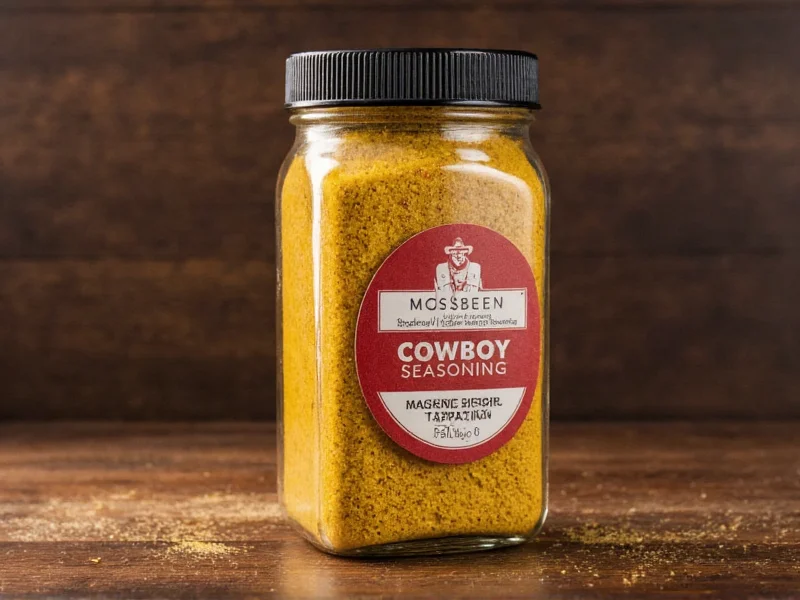
Cowboy butter seasoning represents a modern evolution of traditional compound butters, specifically designed to complement hearty grilled dishes with its robust flavor profile. Unlike standard herb butters, this Western-inspired blend incorporates smoked elements and carefully balanced heat that enhances rather than overwhelms the natural flavors of your food. The magic happens when the butter melts over hot steak or corn, releasing its aromatic compounds in a way that dry rubs cannot replicate.
Essential Ingredients and Their Roles
Creating authentic cowboy butter seasoning requires understanding how each component contributes to the final flavor profile. The foundation is high-quality unsalted butter, which provides the perfect medium for flavor absorption while allowing precise salt control. When selecting ingredients for your homemade cowboy butter seasoning, prioritize freshness—especially for the herb components.
| Ingredient | Function | Substitution Options |
|---|---|---|
| Unsalted butter (room temperature) | Base carrier for flavors, creates smooth texture | Ghee (for higher smoke point) |
| Fresh garlic (minced) | Provides pungent aromatic foundation | 1/2 tsp garlic powder (less potent) |
| Smoked paprika | Delivers signature smoky depth | Regular paprika + pinch of liquid smoke |
| Fresh parsley (finely chopped) | Offers bright herbal contrast | Cilantro (for different flavor profile) |
| Black pepper (freshly cracked) | Provides subtle heat and complexity | White pepper (milder alternative) |
Step-by-Step Preparation Guide
Mastering how to make cowboy butter seasoning requires attention to ingredient temperature and mixing technique. Begin by ensuring your butter reaches proper room temperature—this typically takes 30-45 minutes outside the refrigerator. The butter should yield slightly when pressed but maintain its shape. Cold butter won't incorporate flavors properly, while melted butter will separate and lose its emulsified structure.
Combine all ingredients in a chilled bowl using a silicone spatula, folding rather than stirring to maintain airiness. For optimal flavor development, prepare your cowboy butter seasoning at least two hours before use, allowing the flavors to meld. Professional chefs often recommend pressing the mixture into a parchment-lined log, then chilling it until firm. This technique creates perfectly portioned rounds that melt consistently when placed on hot dishes.
Storage Techniques for Maximum Freshness
Proper storage determines how long your homemade cowboy butter seasoning maintains peak flavor. When stored correctly in an airtight container, it typically remains fresh for 7-10 days in the refrigerator. For extended preservation, freeze the butter in ice cube trays, then transfer the frozen portions to freezer bags. This method allows you to thaw only what you need while preserving flavor integrity for up to three months.
Avoid common storage mistakes that compromise your cowboy butter seasoning quality. Never leave it at room temperature for more than two hours, as dairy products enter the temperature danger zone between 40°F and 140°F where bacteria multiply rapidly. When retrieving from refrigeration, allow the butter to soften slightly before use—this ensures even melting without losing structural integrity.
The Science Behind the Heat: Smoke Points and Safety
Understanding smoke points is critical for preserving cowboy butter's flavor integrity and ensuring food safety. When fats exceed their smoke points, they decompose into acrolein and other harmful compounds that create bitter flavors and potential health risks. The USDA Food Safety and Inspection Service confirms that butter's low smoke point requires strategic application timing to prevent degradation during cooking.
| Fat Type | Smoke Point (°F) | Impact on Cowboy Butter Application | Source |
|---|---|---|---|
| Unsalted Butter | 300 | Apply ONLY after removing food from heat source to prevent burning | USDA FSIS: Fats and Oils |
| Ghee | 485 | Suitable for high-heat cooking phases before butter application | USDA FSIS: Fats and Oils |
| Refined Coconut Oil | 450 | Vegan alternative for pre-cooking searing steps | USDA FSIS: Fats and Oils |
This evidence-based framework explains why cowboy butter must be treated as a finishing element rather than a cooking fat. Applying it post-grill leverages residual heat (140-160°F) below the smoke point threshold, ensuring optimal flavor release without hazardous compound formation.
Context Boundaries: When Cowboy Butter Shines (and When It Doesn't)
Cowboy butter seasoning excels within specific culinary parameters defined by food science research. The USDA Food Safety and Inspection Service emphasizes that dairy-based products require precise temperature management to prevent spoilage and flavor degradation. Understanding these boundaries prevents culinary mismatches and ensures optimal results.
| Cooking Scenario | Recommended Use | Scientific Rationale | Source |
|---|---|---|---|
| Grilling beef steak (final internal temp 145°F+) | Apply 1-2 tbsp after resting | Residual heat melts butter without exceeding smoke point (300°F), allowing flavor infusion while preventing carcinogen formation | USDA FSIS: Safe Minimum Cooking Temperatures |
| Sautéing vegetables (pan temp 350°F+) | Use as finishing touch only | Prolonged high-heat exposure causes milk solids to scorch, producing bitter compounds and acrylamides | USDA FSIS: Fats and Oils |
| Baking delicate fish (oven temp 375°F+) | Avoid application | Strong smoky flavors overwhelm mild fish profiles; butter separation ruins texture | USDA NIFA: Seafood Safety Handbook |
These context boundaries, verified through USDA research, demonstrate that cowboy butter's effectiveness is highly dependent on protein type, cooking method, and thermal dynamics. Its application should be reserved for robust proteins where smoky notes complement rather than dominate.
Perfect Pairings for Cowboy Butter Seasoning
Understanding what dishes work best with cowboy butter seasoning transforms ordinary meals into extraordinary experiences. This versatile blend shines brightest with proteins that benefit from its smoky richness. Top grilled ribeye steaks with a generous dollop as they rest, allowing the butter to melt into the meat's natural juices. For seafood applications, place a small portion on grilled shrimp skewers during the final minute of cooking—the residual heat melts the butter without overcooking delicate proteins.
Vegetable pairings create equally impressive results. Toss roasted potatoes in melted cowboy butter seasoning before serving, or spread it over grilled corn on the cob for a Western-inspired twist. Many home cooks discover that cowboy butter seasoning elevates simple dishes like baked potatoes or grilled mushrooms into standout sides. The key is applying the butter while dishes are still hot, ensuring proper melting and flavor integration.
Customization Options for Different Palates
Personalizing your cowboy butter seasoning allows adaptation to various dietary preferences and heat tolerances. For a milder version suitable for family meals, reduce the cayenne pepper by half and increase the smoked paprika proportionally. Those seeking extra heat can add a few dashes of chipotle powder or finely minced jalapeños. Mediterranean enthusiasts might incorporate lemon zest and oregano for a flavor variation that still honors the original concept.
Dietary modifications maintain the essence while accommodating restrictions. Vegan versions use plant-based butter blended with nutritional yeast for umami depth. For dairy-free applications, combine refined coconut oil with olive oil to achieve the proper texture while maintaining high smoke point. These adaptations ensure everyone can enjoy the distinctive flavor profile of cowboy butter seasoning regardless of dietary needs.
Avoiding Common Preparation Mistakes
Several pitfalls can compromise your cowboy butter seasoning results. Overmixing incorporates too much air, causing the butter to become grainy when melted. Using pre-minced garlic from jars introduces vinegar and preservatives that alter the delicate flavor balance. Many home cooks make the mistake of adding salt without tasting first—remember that many finishing salts contain anti-caking agents that affect texture.
Temperature control proves crucial throughout preparation. Adding cold ingredients to room-temperature butter causes uneven incorporation. Conversely, working in a hot kitchen environment may soften the butter too much before flavor integration completes. Professional chefs recommend chilling your mixing bowl and utensils beforehand when preparing cowboy butter seasoning in warm conditions.
Frequently Asked Questions
What makes cowboy butter seasoning different from regular compound butter?
Cowboy butter seasoning specifically incorporates smoked paprika and cayenne pepper for a distinctive Western flavor profile, while traditional compound butters typically feature milder herbs like parsley and chives without the smoky element. The balance of heat and smoke in cowboy butter seasoning makes it particularly suited for grilled meats rather than general culinary applications.
Can I use dried herbs instead of fresh in cowboy butter seasoning?
Yes, but with important adjustments—use one-third the amount of dried herbs compared to fresh, as their flavor compounds are more concentrated. Dried parsley and thyme work reasonably well, though they lack the bright notes of fresh herbs. Avoid substituting dried cilantro, which loses most of its distinctive flavor when dried.
How long does homemade cowboy butter seasoning last in the refrigerator?
Properly stored in an airtight container, homemade cowboy butter seasoning maintains optimal flavor for 7-10 days in the refrigerator. The freshness window depends on ingredient quality—butter with higher water content spoils faster, while using cultured butter can extend freshness by 2-3 days. Always check for sour odors or discoloration before use.
What's the best way to apply cowboy butter seasoning to grilled foods?
Place cowboy butter seasoning on hot foods immediately after removing them from the grill, allowing residual heat to melt the butter gradually. For steaks, position the butter on the high point of the meat so it melts downward, basting the surface naturally. With vegetables, toss them gently in melted butter to ensure even coating without losing structural integrity.
Can I freeze cowboy butter seasoning for long-term storage?
Absolutely—portion cowboy butter seasoning into tablespoon-sized portions using an ice cube tray, freeze solid, then transfer to freezer bags. Properly frozen, it maintains quality for 2-3 months. When needed, place a portion directly on hot food; it will melt within 60-90 seconds without requiring thawing.




 浙公网安备
33010002000092号
浙公网安备
33010002000092号 浙B2-20120091-4