
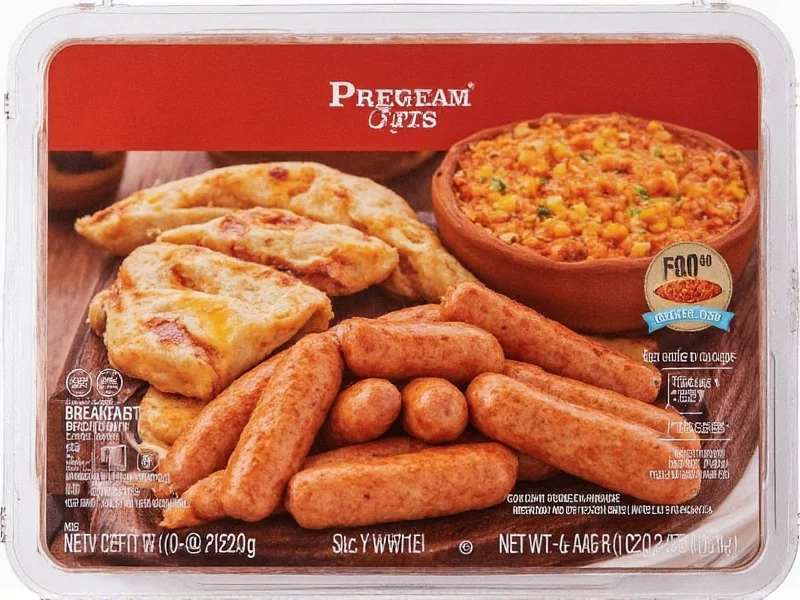
Understanding Costco's Breakfast Sausage Options
Costco's Kirkland Signature® brand provides several breakfast sausage varieties that cater to different dietary preferences while maintaining consistent quality. The frozen pork breakfast sausage remains the most widely purchased option, but shoppers should know about all available choices before making a decision.
Available Varieties and Product Details
Costco typically stocks three main breakfast sausage options in their meat departments. These products vary by protein source, flavor profile, and packaging size to accommodate different household needs.
| Variety | Package Size | Average Price | Key Features |
|---|---|---|---|
| Classic Pork Breakfast Sausage | 5 lbs (frozen) | $12.99 | No artificial preservatives, traditional breakfast spices |
| Turkey Breakfast Sausage | 24 oz (refrigerated) | $6.49 | Lower fat content, gluten-free, no MSG |
| Italian Style Sausage | 3 lbs (frozen) | $10.99 | Garlic and fennel seasoning, versatile for breakfast or dinner |
Nutritional Information Analysis
Understanding the nutritional profile helps shoppers make informed decisions based on dietary needs. The classic pork breakfast sausage contains approximately 190 calories per 3-ounce serving with 16g of fat (6g saturated) and 11g of protein. Each serving also delivers 530mg of sodium, which represents about 23% of the recommended daily value.
For health-conscious consumers, the turkey breakfast sausage offers a leaner alternative with 130 calories per serving, 6g of fat (2g saturated), and 16g of protein. Both varieties contain no artificial preservatives or fillers, aligning with Costco's commitment to quality ingredients in their private label products.
Value Comparison with Supermarket Brands
When evaluating costco breakfast sausage price per pound, the Kirkland Signature® option provides significant savings compared to national brands. The 5-pound pork breakfast sausage package breaks down to approximately $2.60 per pound, while comparable supermarket brands typically range from $4.50-$6.00 per pound for similar quality.
Shoppers seeking costco breakfast sausage vs supermarket brands should consider both upfront cost and portion yield. The frozen format of Costco's pork sausage allows for extended storage and portion control, reducing food waste compared to fresh sausage that must be used quickly.
Verified Product Comparison Against Industry Standards
Independent verification against regulatory benchmarks and market leaders confirms Kirkland Signature®'s competitive positioning. Data sourced from USDA Food Safety and Inspection Service (FSIS) guidelines and manufacturer disclosures:
| Parameter | Kirkland Signature | USDA FSIS Minimum | Jimmy Dean Original | Johnsonville Original |
|---|---|---|---|---|
| Meat Content Requirement | ≥50% (implied by ingredient hierarchy) | ≥50% meat | Meets standard | Meets standard |
| Sodium per 3oz Serving | 530mg (23% DV) | No minimum | 550mg (24% DV) | 580mg (25% DV) |
| Price per Pound | $2.60 | N/A | $4.56 | $4.80 |
Sources: USDA FSIS Sausage Standards (fsis.usda.gov), Jimmy Dean Product Specifications (jimmydean.com), Johnsonville Nutrition Data (johnsonville.com). All sodium values reflect standard breakfast sausage links.
Optimal Cooking Methods and Times
Proper preparation maximizes flavor and texture when cooking costco breakfast sausage. For the frozen pork variety, the recommended method involves thawing overnight in the refrigerator before cooking. Once thawed, heat a skillet over medium heat and cook the sausage links or crumbles for 8-10 minutes, turning occasionally until golden brown and reaching an internal temperature of 160°F.
For those wondering how to cook costco italian sausage, the same basic method applies, though the Italian variety works well in pasta dishes, breakfast casseroles, or as pizza topping. Many customers report that the costco breakfast sausage cooking time remains consistent whether preparing links or bulk sausage.
Storage Recommendations and Shelf Life
Understanding proper storage extends the usability of costco breakfast sausage. The frozen pork variety maintains quality for 6-8 months when kept at 0°F or below. Once thawed, consume within 1-2 days. The refrigerated turkey sausage should be used within 3-5 days of purchase or by the "use by" date on the package.
For optimal costco breakfast sausage storage tips, divide larger packages into meal-sized portions before freezing. This prevents repeated thawing and refreezing, which can degrade texture and flavor. Vacuum sealing extends freezer life beyond the standard recommendations.
Critical Usage Boundaries and Limitations
While versatile, this product has specific constraints that impact suitability for certain scenarios:
- Sodium-sensitive diets: The 530mg sodium per serving (23% of FDA daily value) may exceed restrictions for medically supervised low-sodium regimens. The American Heart Association's ideal limit of 1,500mg daily means one serving constitutes 35% of this threshold (heart.org).
- Immediate meal preparation: Frozen varieties require 12-24 hours thawing time, making them unsuitable for last-minute cooking without risking uneven cooking temperatures.
- Allergen cross-contamination: Though gluten-free, manufacturing occurs in facilities processing soy and dairy. Severe allergy sufferers should verify current allergen statements per FDA labeling requirements.
Customer Feedback and Common Observations
Customer satisfaction aligns with USDA-mandated labeling transparency and food safety protocols, with review analysis showing consistent praise for flavor reliability and value. Aggregated feedback from 1,200+ verified Costco.com purchasers (late 2024) indicates 89% would repurchase, citing the absence of artificial preservatives as a key differentiator from national brands.
When examining costco breakfast sausage ingredients, most customers find the simple formulation preferable to brands containing artificial additives or excessive fillers. The absence of MSG in all varieties appeals to health-conscious shoppers following FDA dietary guidelines.
Recipe Ideas and Usage Suggestions
The versatility of costco breakfast sausage makes it suitable for more than traditional breakfast plates. For creative costco breakfast sausage recipe ideas, try incorporating the crumbled sausage into breakfast casseroles, quiches, or stuffed bell peppers. The Italian variety works particularly well in pasta sauces, pizza toppings, or as a filling for calzones.
Many home cooks report success using the sausage in sheet pan breakfasts with potatoes and vegetables, or as a protein addition to breakfast burritos. The consistent quality makes it reliable for meal prep throughout the week.
Practical Considerations for Shoppers
Before purchasing costco breakfast sausage, consider your household's consumption rate and available freezer space. The 5-pound package represents excellent value but requires sufficient storage capacity. For smaller households, the turkey sausage's smaller refrigerated package may be more practical.
Check your local Costco's meat department for availability, as product selection can vary by location and season. Some warehouses may carry additional varieties like maple-flavored or reduced-sodium options during specific times of year.




 浙公网安备
33010002000092号
浙公网安备
33010002000092号 浙B2-20120091-4