
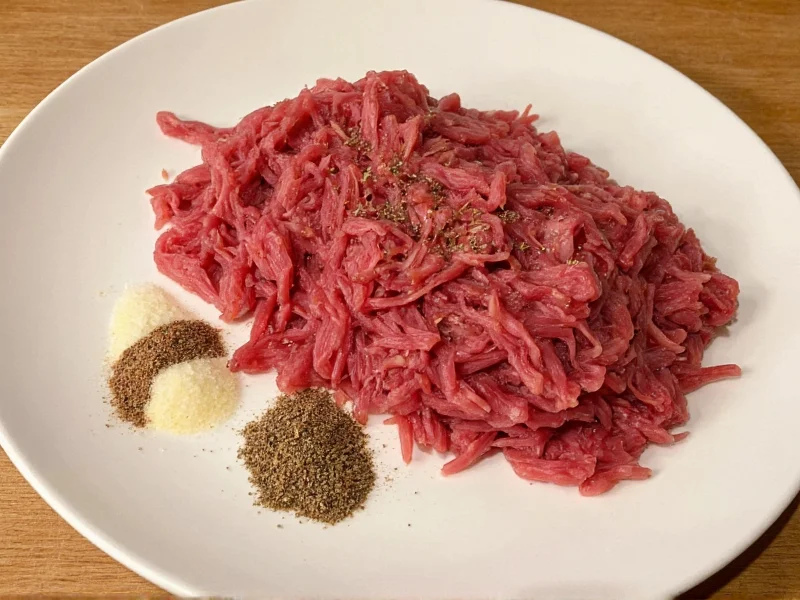
Understanding Corned Beef Seasoning Components
Corned beef seasoning serves two critical purposes: flavor development and meat preservation. The term "corned" refers to the large "kernels" or grains of salt historically used in the curing process. Modern blends maintain this tradition while incorporating aromatic spices that penetrate the tough brisket cut during the extended cooking process.
The foundation of any effective corned beef seasoning is coarse kosher salt or pickling salt, which draws moisture from the meat while allowing flavors to penetrate. Curing salt (Prague Powder #1), containing 6.25% sodium nitrite, is essential for food safety when preparing corned beef from raw brisket, preventing botulism and creating the characteristic pink hue. Many commercial seasoning packets include this curing agent, but homemade versions require careful measurement (typically 1 teaspoon per 5 pounds of meat).
Traditional Corned Beef Spice Blend Recipe
Creating your own homemade corned beef seasoning recipe ensures freshness and allows customization. Here's a professional-grade blend that surpasses store-bought packets:
| Ingredient | Measurement | Function |
|---|---|---|
| Coarse kosher salt | 1 cup | Primary curing agent |
| Pink curing salt #1 | 1 tsp | Preservative and color fixative |
| Cracked black peppercorns | 2 tbsp | Sharp, pungent notes |
| Coriander seeds (toasted) | 1.5 tbsp | Citrusy, floral undertones |
| Whole mustard seeds | 1 tbsp | Earthy complexity |
| Allspice berries | 1 tbsp | Warm, clove-like sweetness |
| Bay leaves (crumbled) | 2 leaves | Herbal depth |
To prepare this traditional corned beef spice mix ingredients, toast whole spices in a dry skillet over medium heat until fragrant (about 2 minutes), then coarsely grind. Combine with salts and store in an airtight container. This blend yields enough seasoning for 5 pounds of beef brisket.
Customizing Your Corned Beef Seasoning
Regional variations influence Irish corned beef spice blend compositions. New England versions often include cloves and mace for additional warmth, while Texas-style preparations might incorporate chili powder for subtle heat. When adjusting your corned beef seasoning ratio, remember that salt content must remain consistent for proper curing, but spice proportions can vary based on preference.
For those seeking a substitute for corned beef seasoning packet, combine 1 tablespoon pickling spice blend (available in most supermarkets) with 1 teaspoon curing salt and 2 tablespoons coarse salt. This approximation works well in emergencies but lacks the freshness of whole-spice grinding.
Application Techniques for Perfect Corned Beef
The timing of seasoning application significantly impacts results. For authentic cured corned beef, rub the seasoning mixture thoroughly into the raw brisket, then refrigerate for 5-7 days, flipping daily. This dry-cure method allows deeper flavor penetration than퀵 boil methods. When using the best spices for corned beef brisket, add whole spices directly to the cooking liquid rather than pre-mixing with salt for boiled preparations.
Many home cooks wonder whether to use the entire seasoning packet included with store-bought corned beef. Commercial products typically contain excessive salt—consider using only half the packet and supplementing with fresh spices for better flavor balance. The corned beef cure vs seasoning distinction matters here: true cures contain nitrites, while seasoning blends focus solely on flavor.
Troubleshooting Common Seasoning Issues
Overly salty corned beef often results from improper corned beef seasoning ratio or insufficient rinsing. If your finished product tastes too salty, soak the cooked meat in cold water for 30 minutes before slicing. For bland seasoning, increase the spice-to-salt ratio by 25% in your next batch while maintaining proper curing salt measurements.
Shelf life concerns are common with how to make corned beef seasoning from scratch. Properly stored in a dark glass jar, homemade blends retain potency for 6 months. Commercial packets typically include anti-caking agents that extend shelf life but compromise flavor quality. Always check for mustiness in older spice blends, which indicates oxidation and diminished quality.
Frequently Asked Questions
Can I make corned beef without curing salt?
Yes, but it won't be authentic corned beef. Without sodium nitrite, the meat will turn gray during cooking and lack the characteristic cured flavor. The product becomes more accurately described as "spiced beef" rather than corned beef. For food safety with extended curing, curing salt is essential to prevent botulism.
What's the difference between pickling spice and corned beef seasoning?
Pickling spice is a broader category that includes corned beef seasoning. Corned beef blends typically contain higher proportions of mustard seed and coriander, while general pickling spice may include additional ingredients like ginger or red pepper flakes designed for vegetable pickling rather than meat curing.
How much seasoning should I use per pound of beef?
For proper curing, use 1 tablespoon of complete seasoning blend (including curing salt) per pound of raw brisket. This maintains the critical 2:1 salt-to-spice ratio needed for both preservation and flavor development. When cooking pre-cured corned beef, reduce to 1 teaspoon per pound added to the cooking liquid.
Can I use ground spices instead of whole seeds?
While convenient, ground spices lose potency quickly and can become bitter during the long cooking process. Whole spices release flavors gradually and create a cleaner-tasting broth. If using ground spices, reduce quantities by half and add them during the last hour of cooking to prevent bitterness.
Why does my homemade corned beef lack the pink color?
The pink color comes exclusively from sodium nitrite in curing salt. Without proper curing salt (Prague Powder #1) in your homemade corned beef seasoning recipe, the meat will cook to a standard gray-brown color. This is normal for non-cured preparations but indicates your product isn't technically "corned" beef without the nitrite treatment.




 浙公网安备
33010002000092号
浙公网安备
33010002000092号 浙B2-20120091-4