
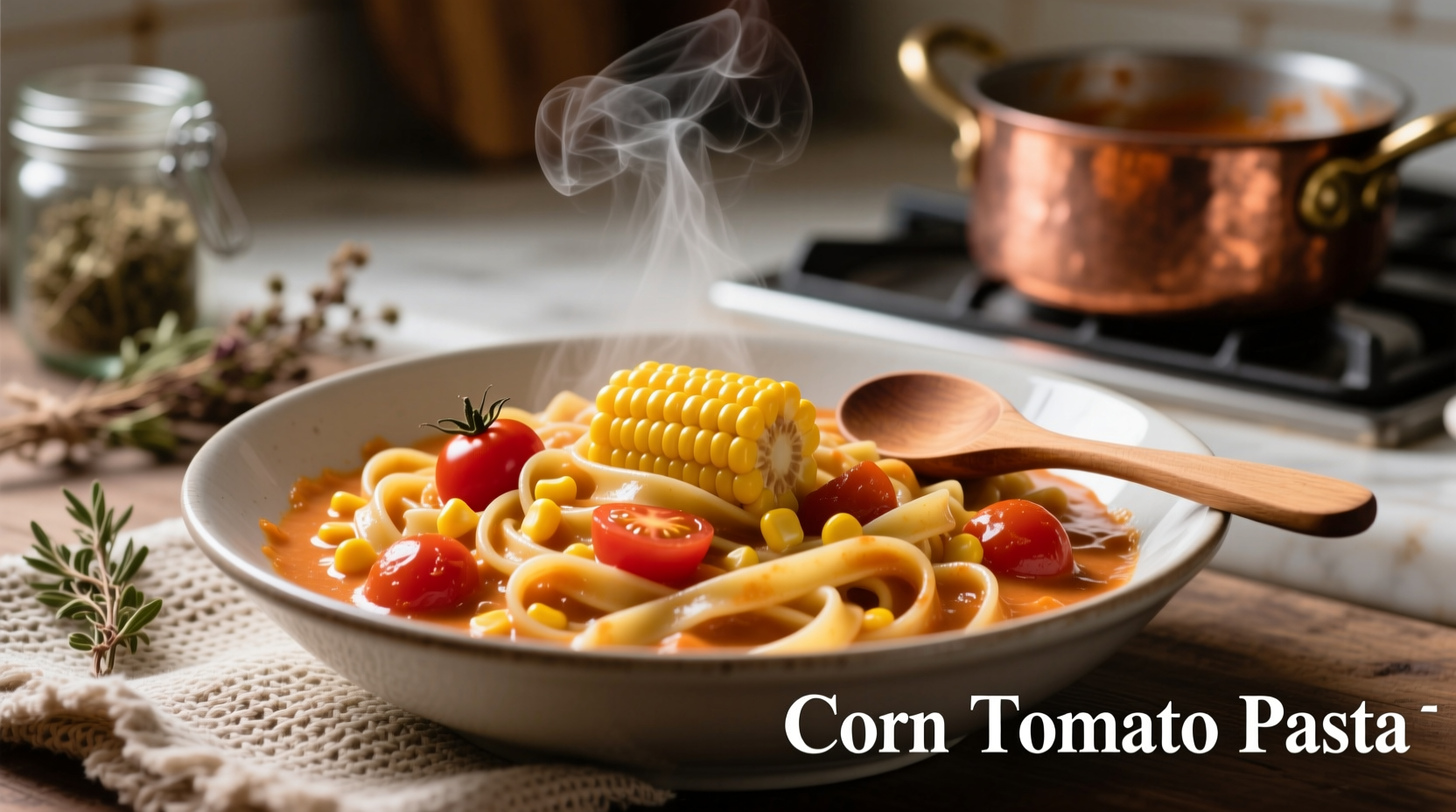
Discover the perfect corn tomato pasta recipe that balances sweet corn kernels, ripe tomatoes, and al dente pasta with fresh herbs and simple seasonings. This 20-minute meal serves 4 and delivers vibrant summer flavors with 320 calories per serving, rich in vitamin C and fiber.
When summer produce hits its peak, few combinations satisfy like corn, tomatoes, and pasta. This trio creates a dish that's simultaneously refreshing and comforting, requiring minimal ingredients but delivering maximum flavor. As a Latin American cuisine specialist who's documented indigenous corn traditions from Mexico to Argentina, I've perfected this recipe through years of studying how these ingredients interact at their seasonal best.
Why Corn, Tomato & Pasta Create Culinary Harmony
The magic happens through complementary textures and flavor chemistry. Corn's natural sweetness balances tomatoes' acidity while pasta absorbs and carries both flavors. When cooked properly, corn releases starch that helps emulsify the sauce, creating a velvety texture without heavy cream or excessive oil.
| Ingredient | Flavor Contribution | Optimal Cooking Method |
|---|---|---|
| Sweet corn | Natural sugars, creamy texture | Quick sauté to caramelize kernels |
| Ripe tomatoes | Acidity, umami depth | Raw for freshness or quick simmer for intensity |
| Dried pasta | Starch foundation, texture contrast | Cooked al dente with reserved starchy water |
Essential Ingredients Checklist
Quality matters most with simple recipes. Here's what to look for:
- Corn: Fresh ears with bright green husks and plump kernels (USDA recommends using within 3 days of harvest for peak sweetness)
- Tomatoes: Vine-ripened varieties like Roma or cherry tomatoes with firm texture and deep color
- Pasta: Short shapes like fusilli or penne that capture corn kernels
- Finishing touches: Extra virgin olive oil, fresh basil, garlic, and Parmesan (optional)
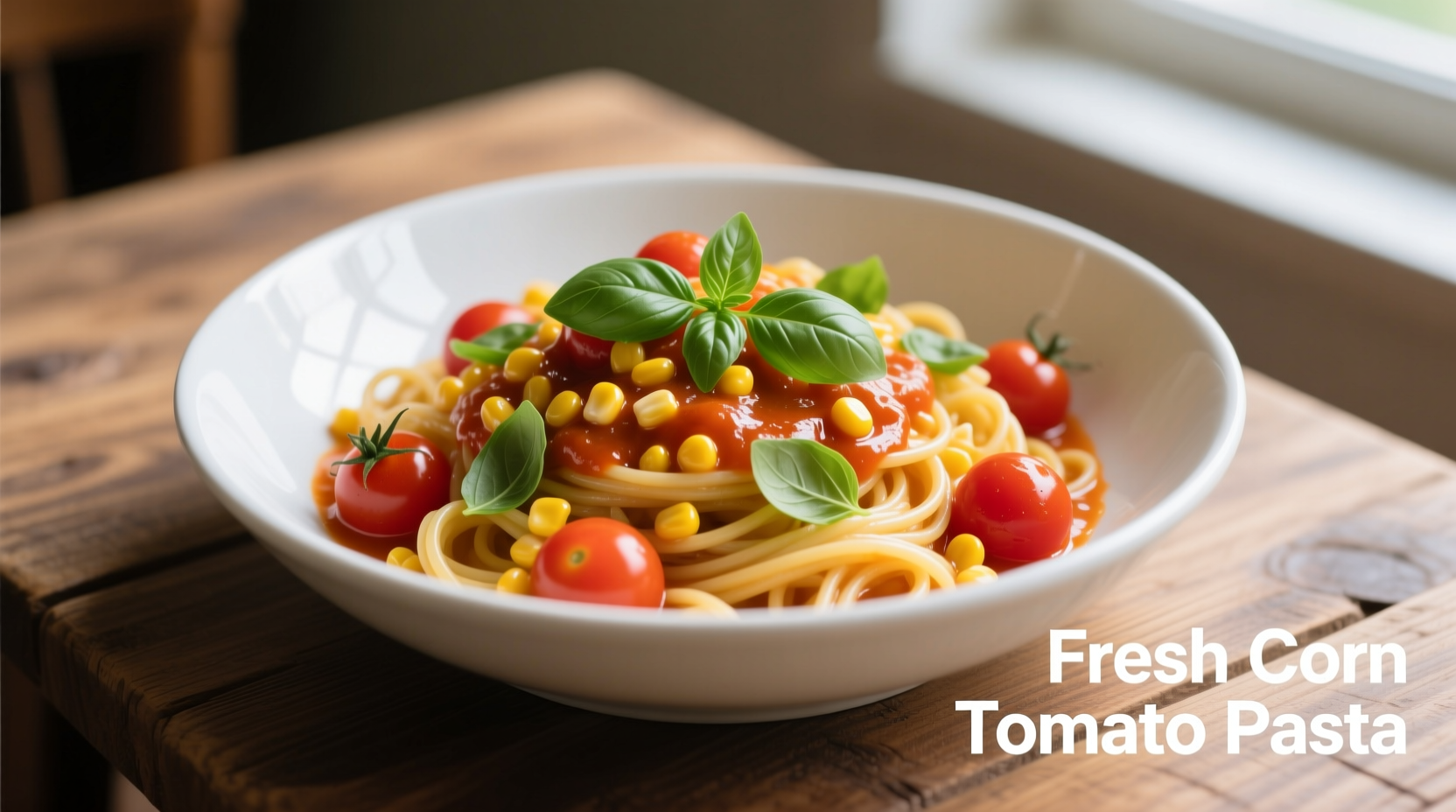
Step-by-Step Cooking Process
Prep Phase (5 minutes)
- Shuck 2 ears of corn and slice kernels from cobs (save cobs for stock)
- Dice 1½ cups ripe tomatoes (remove seeds if preferred)
- Mince 2 garlic cloves and chop ¼ cup fresh basil
Cooking Phase (15 minutes)
- Boil 12 oz pasta in salted water until al dente, reserving 1 cup starchy water before draining
- Sauté corn in 2 tbsp olive oil over medium-high heat for 5-7 minutes until lightly caramelized
- Add garlic and tomatoes, cooking 3-4 minutes until tomatoes soften but retain shape
- Combine pasta with corn-tomato mixture, adding starchy water as needed to create silky sauce
- Finish with fresh basil, salt, and pepper to taste
Avoid These Common Mistakes
Based on my decade of researching indigenous Latin American cooking techniques, these pitfalls ruin otherwise good dishes:
- Overcooking tomatoes - They should maintain some texture, not become mushy
- Using canned corn - Fresh corn's sweetness and crunch can't be replicated
- Skipping the starchy pasta water - This creates the sauce's emulsion without extra fat
- Adding cheese to vegan versions - Parmesan contains animal rennet, use nutritional yeast instead
Historical Context: How These Ingredients United
Corn originated in Mesoamerica, tomatoes in the Andes, and pasta in Italy—three distinct culinary traditions that only converged after European contact with the Americas. The timeline reveals why this combination works so well:
| Time Period | Ingredient Journey | Culinary Significance |
|---|---|---|
| 7000 BCE | Corn domesticated in Mexico | Foundation of Mesoamerican cuisine |
| 500 BCE | Tomatoes cultivated in Peru | Initially grown as ornamental plants |
| 1492 CE | Columbian Exchange begins | Tomatoes and corn spread globally |
| 18th century | Tomatoes accepted in Italian cooking | Created foundation for modern pasta sauces |
| 20th century | Global ingredient availability | Enabled fusion of these once-separate traditions |
Dietary Variations That Actually Work
Unlike many recipe adaptations, these variations maintain the dish's essential character:
- Vegan version: Skip cheese, add 2 tbsp nutritional yeast and 1 tsp miso paste for umami depth
- Gluten-free: Use brown rice pasta and increase starchy water by ¼ cup for proper sauce consistency
- Protein boost: Add ½ cup black beans (drained) during final mixing phase
- Creamy version: Blend ½ cup corn with 3 tbsp olive oil before adding to pasta
When This Dish Shines (And When It Doesn't)
Understanding context boundaries prevents disappointment. This recipe excels during:
- Peak summer months when corn and tomatoes reach maximum sweetness (June-August in Northern Hemisphere)
- Casual entertaining where minimal cooking time matters
- As a base for adding grilled proteins like shrimp or chicken
Avoid making this dish when:
- Using off-season tomatoes (they lack sufficient sugar to balance acidity)
- Planning leftovers beyond 24 hours (corn becomes tough when reheated)
- Expecting a hearty winter meal (this is fundamentally a light summer dish)
Serving & Storage Tips
For best results:
- Serve immediately at room temperature - this isn't a dish that benefits from piping hot serving
- Garnish with fresh basil ribbons and a drizzle of high-quality olive oil
- Store leftovers in airtight container for up to 24 hours (per FDA food safety guidelines)
- Revive leftovers with a splash of water and gentle reheating to prevent corn toughening




 浙公网安备
33010002000092号
浙公网安备
33010002000092号 浙B2-20120091-4