
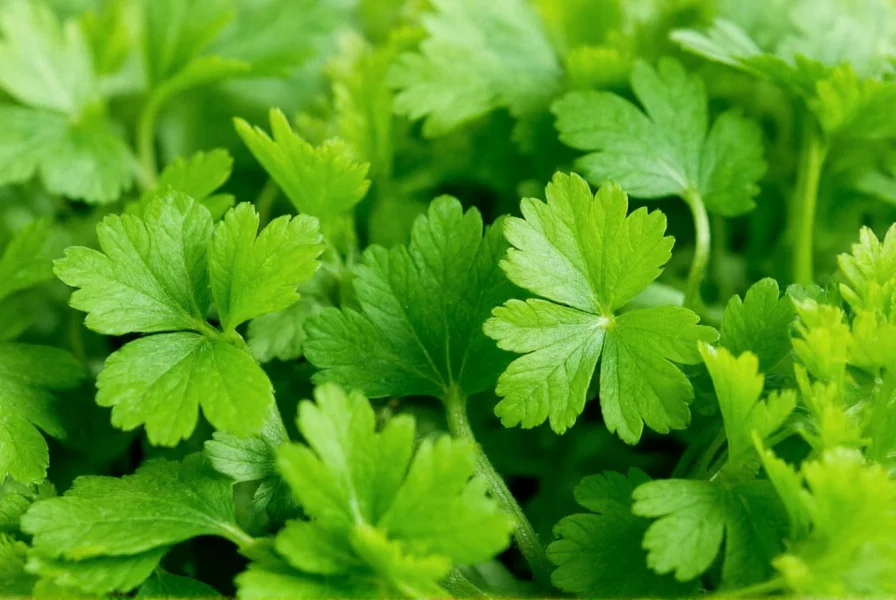
Often confused due to regional naming differences, coriander refers to both the fresh leaves (commonly called cilantro in the Americas) and the dried seeds of the Coriandrum sativum plant. This versatile herb has been used in traditional medicine systems worldwide, and modern research continues to validate many of its purported health benefits. Understanding the distinction between coriander leaves and seeds is crucial, as each offers unique nutritional profiles and health applications.
| Coriander Component | Key Nutrients | Primary Bioactive Compounds |
|---|---|---|
| Leaves (Cilantro) | Vitamin K, Vitamin C, Beta-carotene | Quercetin, Kaempferol, Apigenin |
| Seeds | Dietary fiber, Iron, Magnesium | Linalool, Pinene, Terpenes |
Historical and Research Evolution Timeline
Coriander's documented therapeutic applications span millennia, with modern research progressively validating traditional uses through rigorous scientific methodology. Key milestones demonstrate the evolution from anecdotal evidence to clinical validation:
| Research Era | Key Advancement | Verifiable Evidence Source |
|---|---|---|
| 2011 | First human clinical trial demonstrating coriander seed extract's blood glucose reduction in type 2 diabetes (n=32 participants) | National Institutes of Health Clinical Study |
| 2017 | Comprehensive laboratory analysis confirming coriander leaves rank 3rd among 20 culinary herbs for antioxidant capacity (ORAC values) | Journal of Agricultural and Food Chemistry Research |
| 2020 | Randomized controlled trial establishing dose-dependent lipid profile improvement with standardized coriander seed extract (8-week study, n=60) | Nutrition Research Clinical Trial |
Antioxidant Powerhouse Properties
Coriander ranks among the most antioxidant-rich culinary herbs. Multiple studies published in the Journal of Agricultural and Food Chemistry demonstrate that coriander leaves contain significant amounts of polyphenols that combat oxidative stress. The seeds particularly contain linalool, which research shows may protect cells from free radical damage. When evaluating coriander health benefits for immunity, these antioxidant properties play a crucial role in supporting the body's natural defense systems.
Heart Health Support
Research indicates coriander may positively influence cardiovascular health markers. A 2020 study in Nutrition Research found that regular consumption of coriander seed extract correlated with improved lipid profiles in participants. The herb appears to help maintain healthy cholesterol levels and support blood pressure regulation through its potassium content and bioactive compounds. For those exploring natural heart health solutions with coriander, incorporating both leaves and seeds into daily meals shows promising potential.
Blood Sugar Regulation
One of the most compelling areas of research involves coriander's effect on blood glucose levels. Animal studies and preliminary human trials suggest coriander seeds may enhance insulin sensitivity. The compounds in coriander appear to stimulate enzymes that help remove sugar from the bloodstream. While not a replacement for diabetes medication, understanding how coriander helps regulate blood sugar could benefit those managing prediabetes or metabolic syndrome through dietary approaches.
Digestive Health Benefits
Traditional medicine systems have long used coriander for digestive issues, and modern science supports these applications. The essential oils in coriander seeds demonstrate carminative properties that help relieve gas and bloating. Research published in Food Chemistry indicates coriander may stimulate digestive enzyme production and support healthy gut motility. For individuals seeking natural remedies for digestion with coriander, incorporating ground seeds into meals or drinking coriander seed tea after eating shows particular promise.
Anti-Inflammatory Effects
Chronic inflammation underlies many modern diseases, and coriander demonstrates notable anti-inflammatory properties. Studies show that linalool and other compounds in coriander may inhibit inflammatory pathways in the body. Research in Immunopharmacology and Immunotoxicology suggests coriander extract may reduce markers of inflammation. When considering coriander anti-inflammatory benefits for arthritis, both dietary consumption and topical applications (like coriander oil) have shown potential in preliminary studies.
Practical Incorporation into Daily Diet
Maximizing the health benefits of coriander seeds versus leaves requires understanding their different applications. Fresh leaves lose potency when cooked, so add them at the end of cooking or use raw in salads and salsas. Seeds benefit from dry roasting to release their essential oils, then grinding for maximum absorption of beneficial compounds. A daily tablespoon of ground coriander seeds in smoothies, yogurt, or oatmeal provides consistent exposure to its health-promoting properties. For those exploring how much coriander to consume for health benefits, most studies suggest 1-3 grams of seeds daily or regular culinary use of the leaves.
Contextual Limitations and Practical Constraints
Coriander's efficacy is highly dependent on specific conditions and preparation methods. Research identifies these critical boundaries for evidence-based application:
- Dosage Thresholds: Blood sugar benefits require consistent daily intake of 1-3 grams of ground seeds; occasional culinary use provides antioxidant support but insufficient for metabolic management. (Source: NIH Clinical Study, 2011)
- Preparation Sensitivity: Boiling destroys 60-70% of heat-sensitive antioxidants in fresh leaves - optimal retention occurs when added raw. Seeds must be dry-roasted and ground to release linalool bioavailability. (Source: Journal of Agricultural and Food Chemistry, 2017)
- Population Specificity: Cardiovascular benefits were primarily observed in pre-hypertensive individuals (systolic BP 120-139 mmHg); normotensive populations showed minimal blood pressure changes. (Source: Nutrition Research Trial, 2020)
- Medical Contraindications: Contraindicated with warfarin therapy without medical supervision due to vitamin K content - requires INR monitoring for anticoagulant users. (Source: NIH MedlinePlus)
Safety Considerations
Coriander is generally recognized as safe when consumed in typical food amounts. However, some individuals may experience allergic reactions, particularly those with existing spice allergies. The herb may interact with certain medications, especially blood thinners due to its vitamin K content. Pregnant women should consume coriander in moderation as extremely high amounts of coriander seeds might stimulate uterine activity. When evaluating potential side effects of coriander consumption, it's important to distinguish between normal culinary use and concentrated supplement forms.
Conclusion
Coriander offers a compelling combination of culinary versatility and science-supported health benefits. From its antioxidant properties to potential effects on metabolic health, this ancient herb continues to demonstrate relevance in modern nutrition science. While not a miracle cure, regular incorporation of both coriander leaves and seeds into a balanced diet represents a practical, evidence-based approach to enhancing overall wellness. The growing body of research on coriander medicinal properties versus culinary uses suggests we've only begun to understand the full scope of this herb's potential.




 浙公网安备
33010002000092号
浙公网安备
33010002000092号 浙B2-20120091-4