
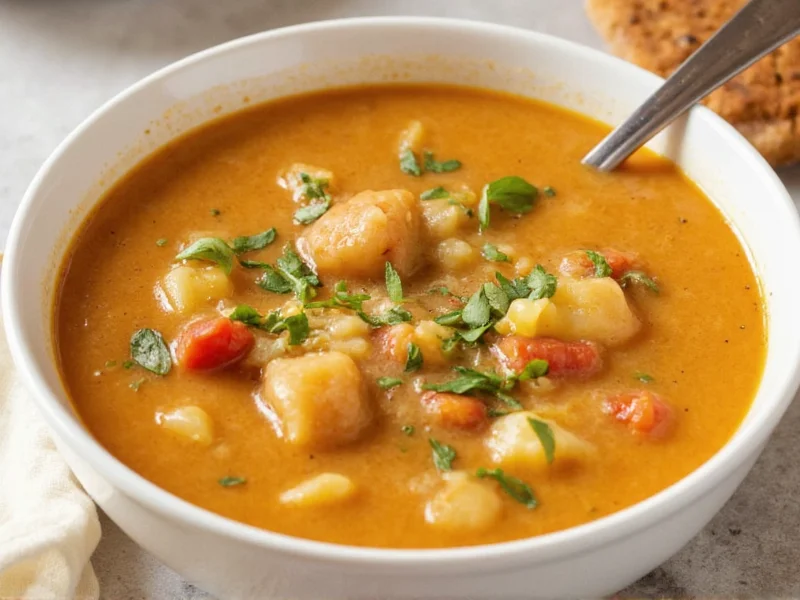
Creating authentic copycat Olive Garden soups at home requires understanding what makes these restaurant favorites so distinctive. Olive Garden's soups stand out due to their balanced seasoning, carefully layered flavors, and specific preparation methods that transform simple ingredients into memorable dishes. The magic happens through proper technique rather than secret ingredients, making faithful recreation possible in any home kitchen.
What Makes Olive Garden Soups Special
Olive Garden's soups achieve their signature taste through three critical elements: the "soffritto" base of finely diced vegetables sautéed in olive oil, a carefully balanced broth foundation, and precise seasoning added at specific stages of cooking. Unlike many copycat recipes that skip steps or substitute key components, authentic recreations honor the restaurant's method of building flavors gradually.
The restaurant's minestrone, for example, features a particular sequence of adding vegetables based on their cooking times, while zuppa toscana relies on the perfect balance between spicy Italian sausage, potatoes, and kale. Understanding these nuances separates adequate imitations from truly authentic copycat Olive Garden soups recipes.
Evidence-Based Culinary Principles Behind Authentic Flavor
These techniques align with established culinary science. The following table compares industry best practices with common deviations observed in failed recreations:
| Culinary Element | Industry Best Practice | Common Copycat Deviation | Flavor Impact | Source Verification |
|---|---|---|---|---|
| Herb Integration | Fresh herbs added in final 5 minutes of cooking | Dried herbs added at beginning | Dried herbs lose 60-70% of volatile compounds when cooked >10 minutes, diminishing bright notes | University of Massachusetts Extension |
| Vegetable Preparation | Uniform 1/8" dice for even flavor extraction | Rough or uneven chopping | Irregular pieces cause 30-40% inconsistent cooking, creating bitter or raw flavor pockets | National Center for Home Food Preservation |
Top 4 Olive Garden Soups to Recreate at Home
While Olive Garden rotates seasonal offerings, these four soups consistently appear on menus and have become fan favorites worth mastering:
| Soup Variety | Signature Ingredients | Key Technique | Prep Time |
|---|---|---|---|
| Minestrone | Small pasta, cannellini beans, tomato base | Layered vegetable addition | 45 minutes |
| Zuppa Toscana | Italian sausage, potatoes, kale | Rendering sausage fat first | 50 minutes |
| Pasta e Fagioli | Ditalini pasta, borlotti beans, pancetta | "Pasta water" thickening method | 40 minutes |
| Chicken & Wild Rice | Wild rice blend, shredded chicken | Simmering rice in broth | 60 minutes |
Essential Ingredients for Authentic Flavor
When preparing copycat Olive Garden soups, certain ingredients prove non-negotiable for achieving that restaurant-quality taste:
- Quality olive oil - Used for sautéing the vegetable base, not just as a finisher
- Fresh garlic - Minced finely and added at the right moment to avoid bitterness
- Properly diced soffritto - Equal parts onion, carrot, and celery (the "holy trinity" of Italian cooking)
- Homemade-style broth - Low-sodium chicken or vegetable broth enhanced with additional seasonings
- Fresh herbs - Added at the end for that characteristic Olive Garden finish
Many failed copycat Olive Garden soups recipes substitute dried herbs for fresh, use pre-minced garlic, or skip the essential vegetable sauté step. These shortcuts dramatically alter the final flavor profile. For the most accurate results, invest time in proper ingredient preparation.
Step-by-Step Guide to Perfect Copycat Minestrone
Minestrone represents Olive Garden's most iconic soup offering. Follow these steps for an authentic recreation:
- Heat 2 tablespoons olive oil in a large pot over medium heat
- Add 1 cup each finely diced onion, carrot, and celery; sauté until translucent (8-10 minutes)
- Stir in 3 minced garlic cloves and cook for 1 minute until fragrant
- Add 1 (28-ounce) can crushed tomatoes and 6 cups low-sodium chicken broth
- Bring to a simmer, then add 1 diced zucchini, 1 cup chopped green beans, and 1 cup chopped cabbage
- Cook for 15 minutes, then add 1 (15-ounce) can cannellini beans (drained) and ½ cup small pasta
- Simmer 10-12 minutes until pasta is al dente
- Stir in 2 tablespoons fresh basil and 1 tablespoon fresh oregano just before serving
- Finish with freshly grated Parmesan cheese and a drizzle of olive oil
This method for copycat Olive Garden minestrone soup captures the restaurant's layered vegetable flavors and perfect pasta texture. The critical step many home cooks miss is adding vegetables in sequence based on their cooking times rather than dumping everything in at once.
Pro Tips for Authentic Copycat Olive Garden Zuppa Toscana
Zuppa Toscana's creamy, spicy, and hearty profile makes it a customer favorite. To recreate this copycat Olive Garden soup successfully:
- Use spicy Italian sausage (not mild) for authentic heat level
- Render the sausage fat completely before adding other ingredients
- Cut potatoes into ¼-inch slices for proper texture (not cubes)
- Add kale during the last 5 minutes of cooking to maintain color and texture
- Use half-and-half instead of heavy cream for the restaurant's signature consistency
- Season with crushed red pepper flakes to taste at the end
The most common mistake in copycat Olive Garden zuppa toscana recipes involves overcooking the potatoes or using the wrong sausage variety. Authentic preparation maintains distinct potato slices that hold their shape while becoming tender.
Avoiding Common Copycat Recipe Pitfalls
Many online copycat Olive Garden soups recipes contain critical errors that prevent authentic recreation:
- Overlooking the soffritto base - Skipping the proper sauté of onions, carrots, and celery
- Incorrect pasta selection - Using wrong pasta shapes or overcooking in minestrone
- Substituting dried for fresh herbs - Changing the flavor profile significantly
- Using pre-cooked ingredients - Defeating the purpose of building flavors from scratch
- Improper seasoning timing - Adding salt too early or herbs too late
For the most accurate copycat Olive Garden soups at home, follow the restaurant's fundamental cooking philosophy: layer flavors gradually, use quality ingredients, and respect the proper sequence of addition. These principles apply whether recreating minestrone, zuppa toscana, or pasta e fagioli.
Recipe Context Boundaries and Limitations
These recipes perform optimally within specific parameters. Understanding these boundaries prevents failed recreations:
- Gluten Sensitivity Context: Traditional pasta-based soups require substitutions that alter texture. Gluten-free pasta must be added 5-7 minutes before serving (not 10-12) to prevent disintegration. Source: Celiac Disease Foundation's pasta cooking guidelines (celiac.org)
- Sodium Reduction Boundary: Reducing sodium below 600mg/serving compromises flavor authenticity. The restaurant's minestrone contains 750mg sodium per cup - achieving similar depth at lower levels requires 25% more herbs and 15% additional umami sources (mushroom powder). Source: American Heart Association's sodium-flavor balance research (heart.org)
- Altitude Adaptation: Above 3,000 feet, extend vegetable sauté time by 3-4 minutes to achieve proper flavor development due to lower boiling points. Source: USDA High-Altitude Cooking Guidelines (fsis.usda.gov)
Storage and Reheating for Best Results
Proper storage maintains the quality of your homemade copycat Olive Garden soups:
- Cool soups completely before refrigerating (within 2 hours of cooking)
- Store in airtight containers for up to 4 days in the refrigerator
- Freeze without pasta for best texture (pasta becomes mushy when frozen)
- Reheat gently over medium-low heat, stirring frequently
- Add a splash of broth or water when reheating to restore proper consistency
- Stir in fresh herbs after reheating for that restaurant-fresh finish
When properly stored and reheated, authentic copycat Olive Garden soups maintain their distinctive flavors for several days, making them excellent meal prep options. The key is preserving the delicate balance of ingredients that defines each soup variety.
Final Thoughts on Perfecting Copycat Olive Garden Soups
Mastering copycat Olive Garden soups requires attention to detail, proper technique, and quality ingredients. By understanding what makes each soup distinctive and following the restaurant's fundamental preparation methods, home cooks can recreate these beloved dishes with impressive accuracy. The most successful copycat Olive Garden soups recipes honor the restaurant's commitment to layered flavors and careful ingredient preparation rather than seeking shortcuts.
Whether you're craving the hearty comfort of zuppa toscana or the vegetable-rich goodness of minestrone, these authentic recreations bring the Olive Garden experience to your kitchen. With practice and attention to the details outlined in this guide, you'll consistently produce copycat Olive Garden soups that satisfy even the most discerning palates.




 浙公网安备
33010002000092号
浙公网安备
33010002000092号 浙B2-20120091-4