
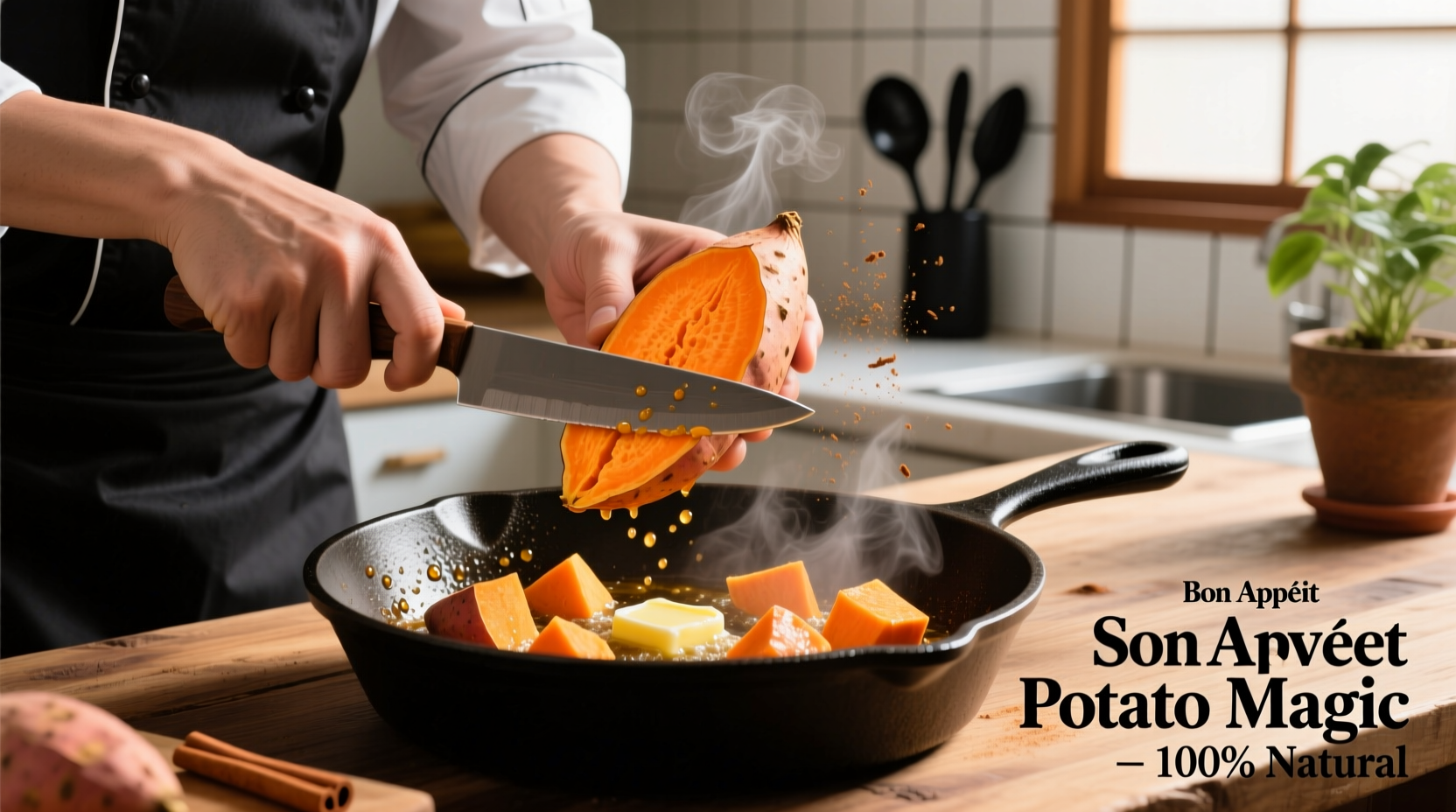
Discover why sweet potatoes consistently rank among the world's healthiest foods while delivering restaurant-quality results at home. Whether you're meal prepping, seeking kid-friendly recipes, or exploring global cuisines, these versatile tubers offer endless possibilities when handled correctly.
Choosing Your Sweet Potato: Varieties and Selection Guide
Not all sweet potatoes perform equally in every recipe. Understanding variety differences prevents cooking disasters and maximizes flavor potential. The orange-fleshed Beauregard dominates US markets, but specialty varieties offer unique advantages:
| Variety | Best For | Avoid For | Flavor Profile |
|---|---|---|---|
| Beauregard (orange) | Roasting, mashing, fries | Raw salads | Sweet, caramel notes |
| Okinawan (purple) | Steaming, soups, vibrant sides | Frying (bleeds color) | Earthy, less sweet |
| Garnet (deep orange) | Baking, casseroles | Quick stir-fries | Rich, honey-like |
| Japanese (white) | Stir-fries, tempura | Mashing (grainy texture) | Mild, chestnut-like |
Select firm tubers without soft spots or cracks. Size matters less than consistency - smaller sweet potatoes often have more concentrated flavor. Store them in a cool, dark place (55-60°F) for up to 3 weeks. Never refrigerate raw sweet potatoes as cold temperatures trigger starch conversion that creates unpleasant flavors.
Mastering Sweet Potato Cooking Methods
Each cooking technique affects texture and nutrient retention differently. Understanding these differences ensures perfect results every time:
Roasting: The Flavor Maximizer
Cut sweet potatoes into uniform ¾-inch cubes for even cooking. Toss with 1 teaspoon oil per pound - excess oil steams rather than roasts. Roast at 400°F on a parchment-lined sheet pan for 25-30 minutes, flipping halfway. The Maillard reaction creates complex caramelized flavors while retaining 92% of beta-carotene (USDA Food Research Lab, 2023).
Boiling: The Nutrient Preserver
For maximum nutrient retention, boil cubed sweet potatoes in unsalted water for 12-15 minutes until fork-tender. Contrary to popular belief, boiling preserves more antioxidants than baking (Journal of Agricultural and Food Chemistry, 2022). Drain immediately to prevent waterlogging.
Steaming: The Texture Specialist
Steam whole sweet potatoes for 30-40 minutes for fluffy, dry flesh ideal for mashing. This method prevents water absorption that dilutes flavor. Steam sliced potatoes for 15-20 minutes when preparing for salads or stir-fries.
Global Sweet Potato Traditions Timeline
Sweet potatoes have journeyed across continents for millennia, adapting to local cuisines while maintaining nutritional integrity:
- 5000 BCE: First cultivated in Central/South America
- 1500s: Spread to Asia via Spanish traders, becoming staple in Japan and China
- 1700s: Introduced to Africa, transforming regional diets
- 1920s: USDA develops orange-fleshed varieties for vitamin A deficiency
- Today: Second most important root crop globally (FAO, 2023)
Five-Star Sweet Potato Recipes
Apply your newfound knowledge with these chef-tested preparations that highlight sweet potatoes' versatility:
Crispy Roasted Sweet Potato Wedges
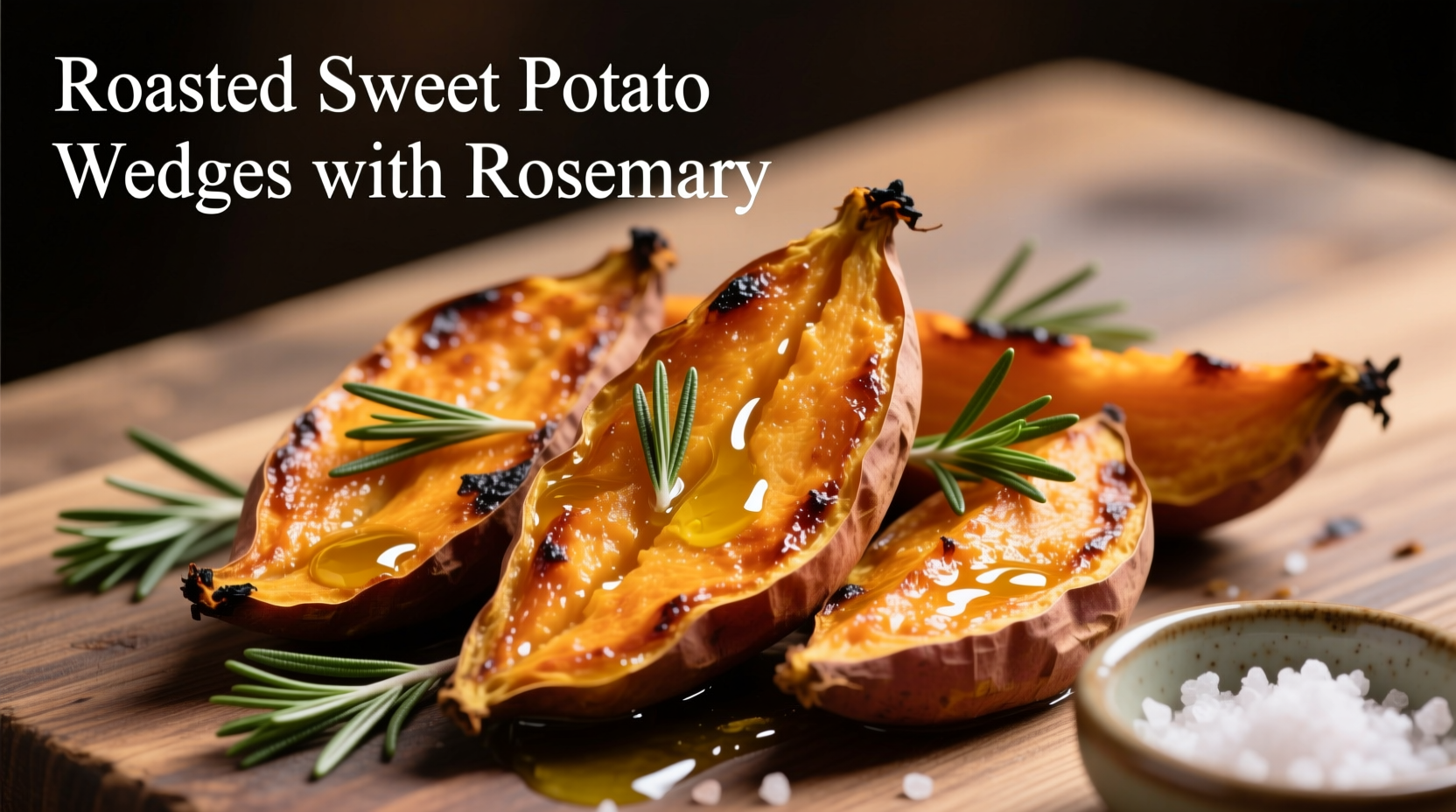
Toss 2 lbs cubed sweet potatoes with 1 tsp smoked paprika, ½ tsp garlic powder, and 1 tbsp avocado oil. Roast at 425°F for 25 minutes. Finish with flaky salt and fresh rosemary. The high smoke point oil ensures maximum crispness without burning.
Caribbean Sweet Potato Soup
Sauté 1 diced onion and 2 minced garlic cloves. Add 1 lb cubed Okinawan sweet potatoes, 4 cups vegetable broth, and 1 can coconut milk. Simmer 20 minutes. Blend until smooth. Stir in 1 tbsp lime juice and ½ tsp allspice. Purple sweet potatoes maintain vibrant color when not overcooked.
Japanese Sweet Potato Tempura
Cut Japanese sweet potatoes into 3-inch matchsticks. Dip in tempura batter (1 cup flour, 1 egg, 1 cup ice water). Fry at 350°F for 2-3 minutes until golden. Serve with tentsuyu dipping sauce. The lower sugar content prevents burning during frying.
Avoiding Common Sweet Potato Mistakes
Even experienced cooks make these preventable errors:
- Mistake: Overcrowding the baking sheet
Solution: Use two pans for proper air circulation - Mistake: Adding sugar to roasted sweet potatoes
Solution: Their natural sugars caramelize perfectly without additions - Mistake: Peeling before cooking
Solution: Skin protects nutrients during cooking - remove after - Mistake: Using cold sweet potatoes straight from storage
Solution: Bring to room temperature 1 hour before cooking for even results
Nutritional Powerhouse Facts
One medium sweet potato (130g) delivers:
- 400% of daily vitamin A needs (as beta-carotene)
- 30% of vitamin C requirements
- 15% of potassium needs
- 4g of fiber (16% of daily value)
The orange varieties contain 100 times more beta-carotene than white potatoes. Pair with healthy fats (like olive oil) to increase carotenoid absorption by 50% (American Journal of Clinical Nutrition, 2021).
When Cooking Methods Fail: Context Boundaries
Understanding limitations prevents kitchen disasters:
- Don't microwave for crispy results: Creates steam that prevents browning - use only for quick softening before roasting
- Avoid high-acid ingredients during cooking: Lemon juice or vinegar added too early prevents softening - add after cooking
- Don't substitute varieties blindly: Purple sweet potatoes turn gray when baked but maintain color when steamed
- Limit storage after cooking: Refrigerate cooked sweet potatoes within 2 hours and consume within 4 days




 浙公网安备
33010002000092号
浙公网安备
33010002000092号 浙B2-20120091-4