
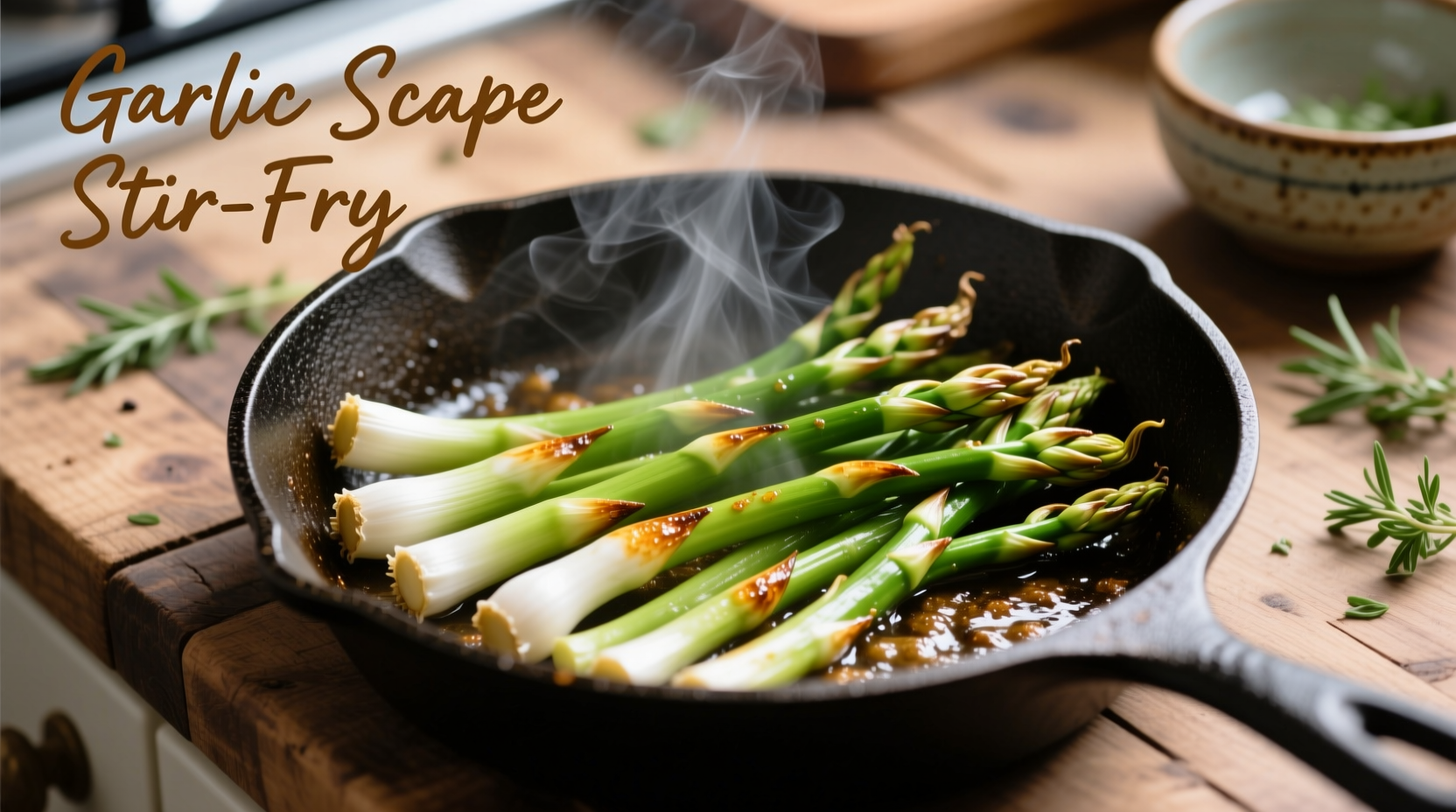
Unlock the Full Potential of Garlic Scapes in Your Kitchen
Discover exactly how to transform these seasonal treasures into restaurant-quality dishes with professional techniques that maximize their delicate garlic flavor. In this comprehensive guide, you'll learn preparation methods, cooking techniques, and recipe applications that work whether you've just harvested your first batch or found them at the farmers market.
Why Garlic Scapes Deserve a Spot in Your Cooking Rotation
These often-overlooked garlic plant parts deliver a unique culinary advantage: the distinctive garlic flavor without the harsh bite of mature cloves. Unlike regular garlic, scapes contain less allicin (the compound responsible for garlic's pungency), making them perfect for raw applications while still delivering that beloved garlic essence. According to research from the Oregon State University Extension Service, garlic scapes contain significant amounts of vitamins C and A, plus beneficial antioxidants that support immune function.
| Cooking Method | Best Timing | Flavor Profile | Ideal Applications |
|---|---|---|---|
| Raw | Immediate use | Grassy, mild garlic | Pesto, salads, compound butter |
| Sautéed | 2-3 minutes | Softened garlic, nutty notes | Stir-fries, pasta, omelets |
| Grilled | 3-4 minutes | Smoky, caramelized | Appetizers, side dishes |
| Pickled | 24+ hours | Tangy, preserved garlic | Cocktail garnishes, charcuterie |
Step-by-Step Preparation Guide
Proper preparation makes all the difference in garlic scape cooking. Start by identifying quality scapes—they should be firm, bright green, and show no signs of yellowing or wilting. The USDA Agricultural Research Service notes that peak season runs from late spring to early summer, typically May through June in most temperate climates.
Cleaning and Trimming Technique
- Rinse scapes under cool running water to remove any soil
- Trim the very tip of the flower bud (the small bulbous end)
- Cut off the very bottom inch which tends to be tough
- For most recipes, slice crosswise into 1-2 inch pieces
Storage Solutions for Maximum Freshness
Garlic scapes maintain quality for 2-3 weeks when stored properly. For short-term storage (up to 10 days), wrap them in a slightly damp paper towel and place in a perforated plastic bag in your refrigerator's crisper drawer. For longer preservation, blanch scapes for 90 seconds, then freeze in airtight containers for up to 6 months. Note that frozen scapes work well in cooked applications but lose their crisp texture.
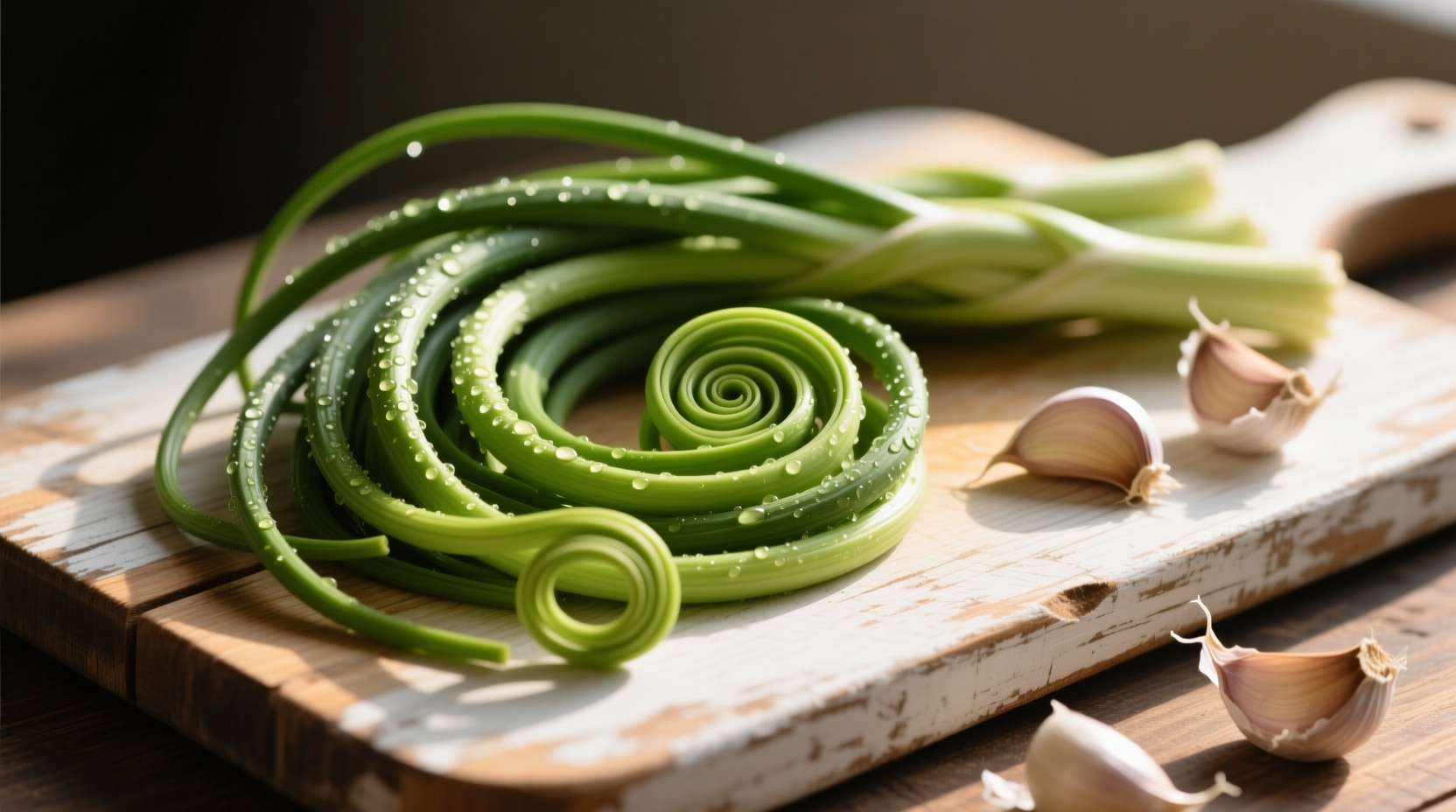
Professional Cooking Techniques That Deliver Flavor
Understanding how heat transforms garlic scapes helps you maximize their culinary potential. Unlike mature garlic cloves that burn easily, scapes tolerate higher heat thanks to their lower allicin content. The key is recognizing their two distinct texture zones: the tender upper portion and the slightly tougher lower section.
Perfect Sauté Method
Heat 1 tablespoon of olive oil in a skillet over medium-high heat. Add chopped scapes (starting with the thicker lower portions first) and sauté for 2-3 minutes until bright green and tender-crisp. Season with sea salt and a squeeze of lemon juice. This technique works exceptionally well as a base for pasta dishes or as a topping for grilled proteins.
Grilling for Complex Flavor
Toss whole scapes in olive oil, salt, and pepper. Grill over medium heat for 3-4 minutes, turning occasionally, until char marks appear and they become tender. The high heat caramelizes natural sugars while preserving their distinctive shape—perfect for elegant appetizers or side dishes.
3 Simple Recipes to Try This Season
Classic Garlic Scape Pesto
Combine 2 cups chopped scapes, 1/2 cup toasted pine nuts, 1/2 cup grated Parmesan, 1 garlic clove, and 1/2 cup olive oil in a food processor. Blend until smooth, adding water as needed to reach desired consistency. This versatile sauce works beautifully with pasta, as a sandwich spread, or as a pizza base. Unlike traditional basil pesto, this version maintains its vibrant green color even after cooking.
Scape and Potato Hash
Dice 2 medium potatoes and cook in olive oil until golden. Add 1 cup chopped scapes (thicker parts first) and cook 3 more minutes. Season with smoked paprika and finish with a fried egg on top. This breakfast staple showcases how scapes complement earthy flavors while adding subtle garlic notes without overwhelming the dish.
Quick Pickled Scapes
Combine 1 cup vinegar, 1 cup water, 2 tablespoons sugar, and 1 tablespoon salt in a saucepan. Bring to a boil, then pour over 1 cup packed scapes in a clean jar. Cool to room temperature, then refrigerate. These make excellent cocktail garnishes or additions to charcuterie boards, with flavor improving over 3-5 days.
Avoid These Common Garlic Scape Mistakes
Even experienced cooks make these errors when working with garlic scapes:
- Overcooking: They become mushy in just 30 seconds past ideal doneness
- Ignoring texture differences: The lower portion needs slightly longer cooking than the tender tips
- Using dried garlic measurements: You need about 3 times more scapes by volume to match regular garlic's flavor intensity
- Storing improperly: They deteriorate quickly at room temperature or in sealed plastic bags
Seasonal Availability and Smart Substitutions
Garlic scapes are strictly seasonal, typically available from late May through June in most North American growing regions. If you miss the season, the closest substitutes include:
- Young green garlic (available slightly later in season)
- Chive blossoms with a touch of minced garlic
- Asparagus with garlic powder (for texture similarity)
Freezing is your best option for enjoying scapes year-round—just remember they work best in cooked applications after thawing.
Frequently Asked Questions
Can you eat the entire garlic scape?
Yes, the entire garlic scape is edible, though the very tip of the flower bud and the bottom inch are often trimmed for optimal texture. The lower portion is slightly tougher and benefits from slightly longer cooking time compared to the tender upper curl.
How do garlic scapes differ from regular garlic in cooking?
Garlic scapes have a milder, more nuanced flavor with grassy notes and less pungency than mature garlic cloves. They contain less allicin, making them suitable for raw applications where regular garlic would be too strong. You typically need about three times the volume of scapes to achieve similar flavor intensity as regular garlic.
What's the best way to store garlic scapes for long-term use?
For long-term storage, blanch scapes in boiling water for 90 seconds, then immediately transfer to ice water. Drain thoroughly, portion into airtight containers, and freeze for up to 6 months. Frozen scapes work well in cooked dishes though they lose their crisp texture.
Can I substitute garlic scapes for regular garlic in recipes?
Yes, but with adjustments. Use approximately three times the volume of chopped scapes to replace regular garlic cloves. Keep in mind that scapes provide a milder, more delicate flavor profile, so you may want to supplement with a small amount of regular garlic if you prefer stronger garlic flavor in cooked dishes.




 浙公网安备
33010002000092号
浙公网安备
33010002000092号 浙B2-20120091-4