
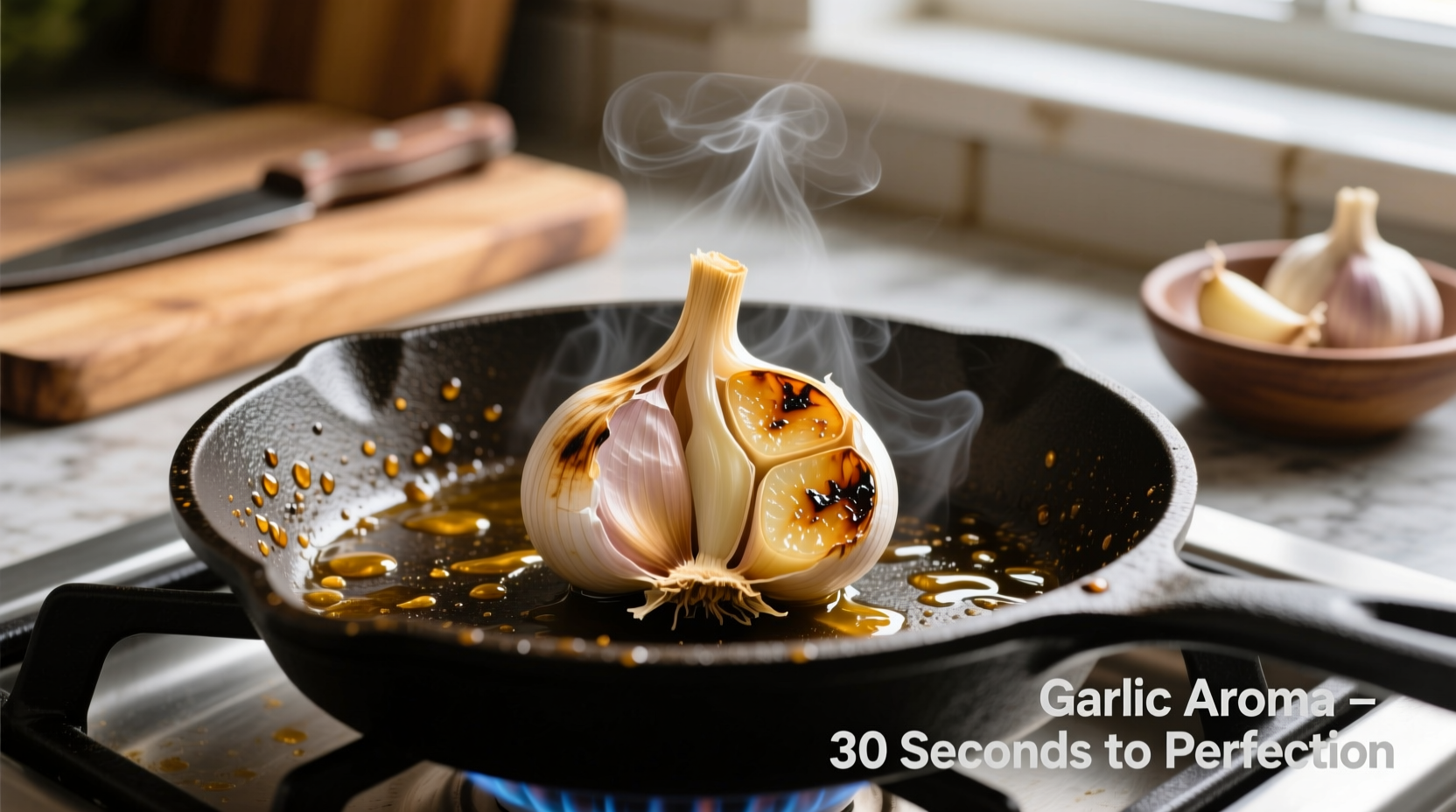
The Science Behind Perfectly Cooked Garlic
Garlic's magic happens through chemical transformation. Raw garlic contains alliin, an odorless compound that converts to allicin when cut or crushed—that distinctive sharp aroma. But allicin breaks down quickly with heat, creating complex sulfur compounds responsible for cooked garlic's mellow, nutty flavor profile. Understanding this process prevents common mistakes that ruin dishes.
Temperature Timeline: How Heat Transforms Garlic
| Temperature Range | Timeframe | Chemical Change | Flavor Result |
|---|---|---|---|
| 140°F (60°C) | 5+ minutes | Allicin begins breaking down | Mild, slightly sweet |
| 250°F (121°C) | 10-15 minutes | Maillard reaction starts | Nutty, caramelized notes |
| 300°F (149°C) | 30+ seconds | Allicin fully degraded | Rich, mellow flavor |
| 325°F+ (163°C+) | 15-30 seconds | Burning begins | Bitter, acrid taste |
Mastering the 3 Essential Cooking Methods
Sautéing: The Most Common Technique (and Mistake)
Most home cooks burn garlic because they add it to already-hot oil. Professional chefs use this foolproof method:
- Heat oil over medium-low (not medium-high)
- Add garlic with cold oil – let both warm gradually
- Stir constantly for 30-60 seconds until fragrant and just turning golden
- Immediately add liquid or remove from heat
For minced garlic, 45 seconds is usually perfect. Larger pieces need 60-90 seconds. As the Cooking Science Guy explains, "Garlic's low water content means it transitions from perfect to burned faster than any other common aromatics."
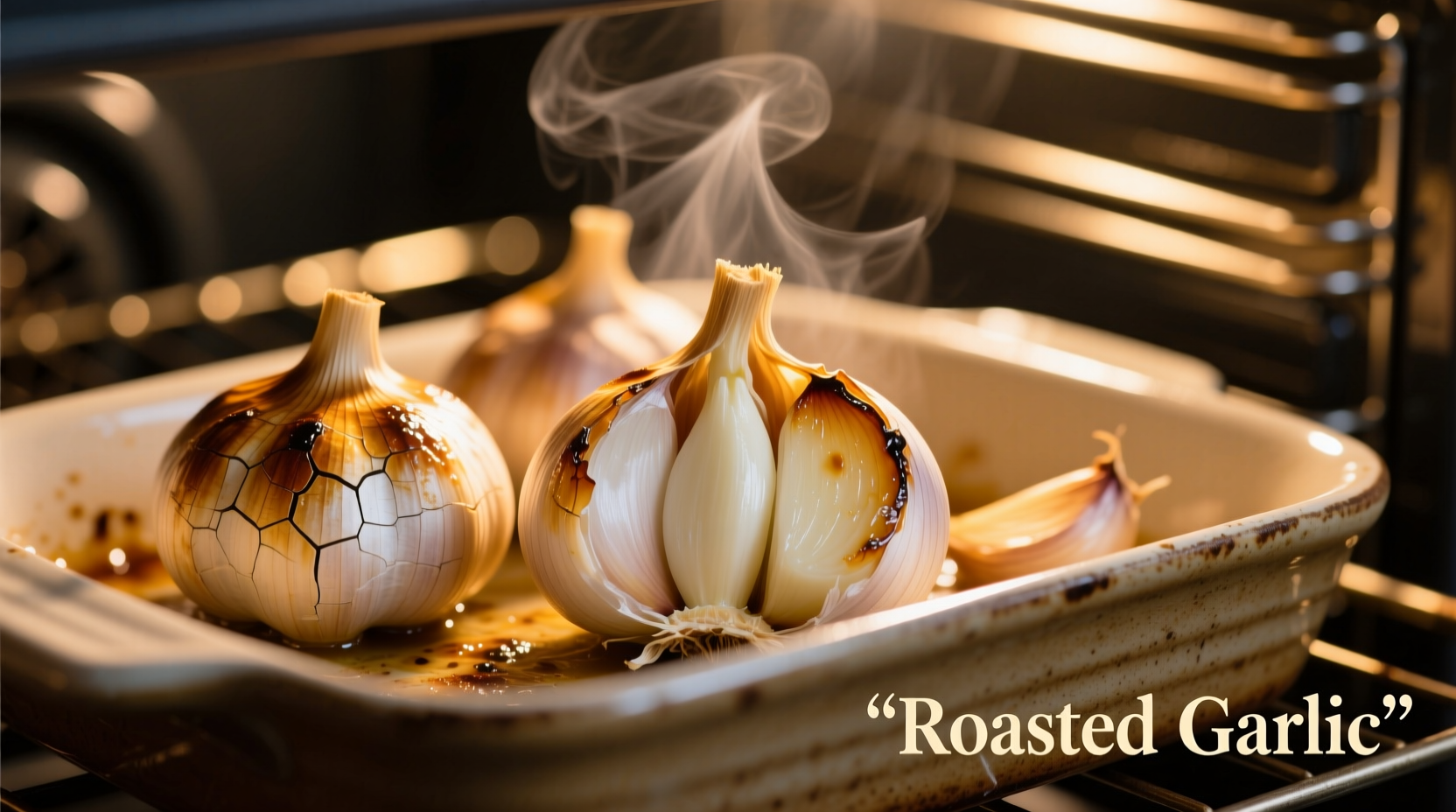
Roasting: Deep, Sweet Complexity
Whole head roasting transforms garlic into a spreadable delicacy:
- Cut 1/4" off top of whole bulb to expose cloves
- Drizzle with 1 tsp olive oil, wrap tightly in foil
- Bake at 400°F (204°C) for 40-50 minutes until cloves press out easily
According to the USDA Food Research Lab, roasting preserves more beneficial compounds than high-heat methods while developing complex flavor notes through slow caramelization.
Infusing: Subtle Flavor Without Browning
For delicate dishes where you want garlic flavor without visible pieces:
- Add whole peeled cloves to soups, stews, or sauces
- Simmer 20-30 minutes (remove before serving)
- For oils: Warm cloves in oil at 200°F (93°C) for 30 minutes
Critical Mistakes That Ruin Garlic Dishes
Avoid these common errors that turn delicious garlic bitter:
- Adding to smoking hot oil – garlic burns before you can react
- Not stirring constantly – uneven cooking creates burnt spots
- Cooking with other aromatics – onions need longer than garlic
- Using pre-minced jarred garlic – already oxidized with inferior flavor
When to Add Garlic in Recipe Sequencing
| Dish Type | Best Garlic Form | When to Add | Why |
|---|---|---|---|
| Stir-fries | Minced | After protein, before vegetables | Prevents burning while ensuring flavor penetration |
| Pasta sauces | Sliced | With cold oil at start | Gradual flavor infusion without bitterness |
| Soups/stews | Whole cloves | With other aromatics | Mellows during long cooking |
| Roasted meats | Crushed | During last 15 minutes | Prevents burning while adding fresh flavor |
Storing Cooked Garlic Properly
Cooked garlic keeps flavor integrity for:
- Refrigerator: 5-7 days in airtight container
- Freezer: 3-4 months (roasted cloves work best)
- Oil preservation: Maximum 4 days refrigerated (botulism risk)
The FDA Food Safety Guidelines warn against storing garlic in oil at room temperature due to potential botulism risk, even with refrigeration beyond 4 days.
Putting It All Together: Perfect Garlic Applications
Apply these techniques to elevate everyday cooking:
- Garlic bread: Use roasted garlic paste instead of raw for complex sweetness
- Pasta aglio e olio: Sauté sliced garlic in olive oil until golden, add red pepper flakes, then toss with pasta
- Garlic mashed potatoes: Simmer whole cloves in milk before mashing for subtle flavor
- Garlic butter: Blend roasted garlic with softened butter for compound butter




 浙公网安备
33010002000092号
浙公网安备
33010002000092号 浙B2-20120091-4