
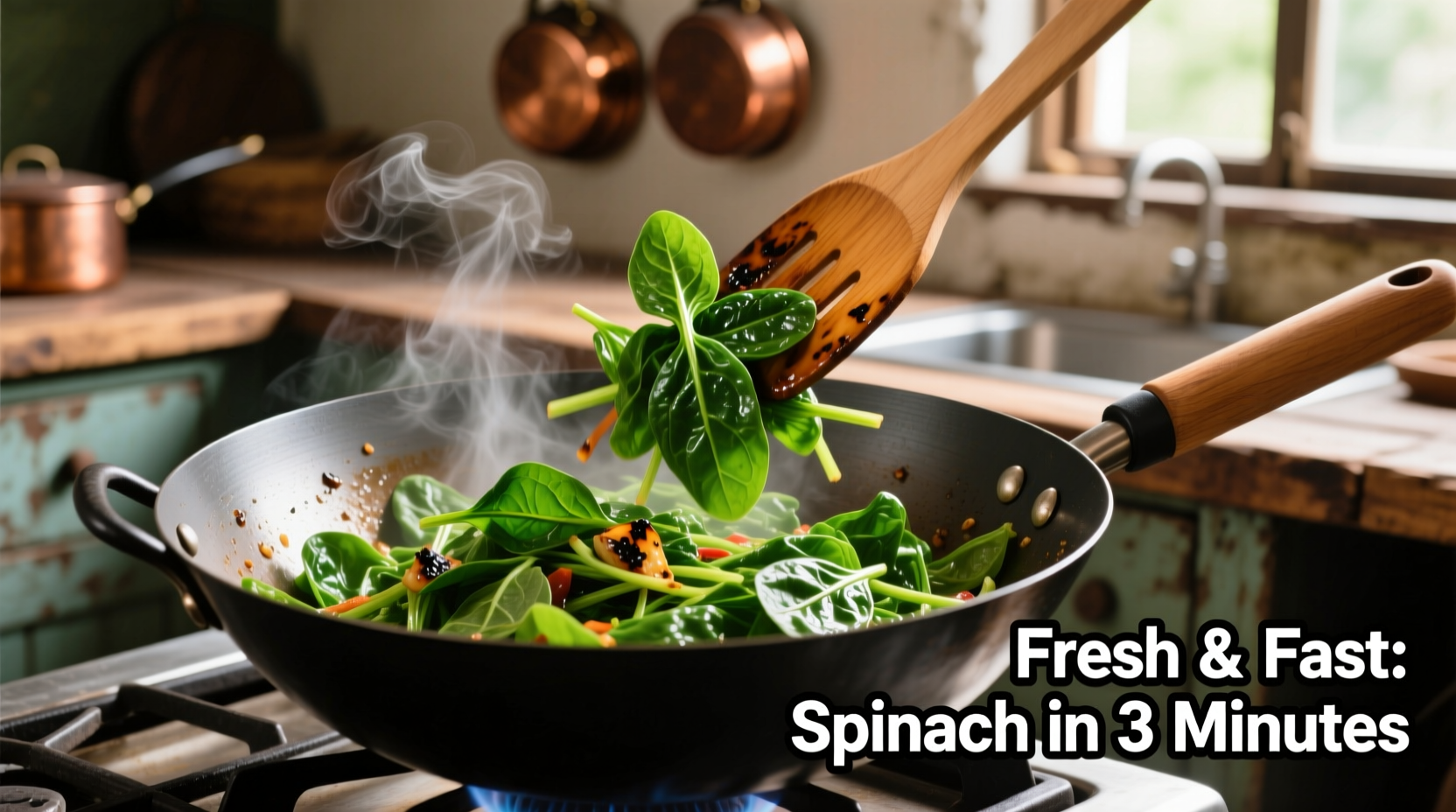
Mastering fresh spinach preparation transforms this nutrient powerhouse into a versatile kitchen staple. Unlike frozen varieties, fresh spinach requires specific handling to prevent sogginess while maximizing its vitamin content. The key lies in understanding moisture control and precise cooking times—just 2-3 minutes for sautéing preserves 90% of folate compared to boiling's 65% retention rate according to USDA research.
Essential Preparation: Beyond Basic Washing
Proper preparation determines your final dish's success. Start by filling a clean sink or large bowl with cold water. Submerge spinach leaves and gently swish to dislodge dirt. Drain through a colander, repeating until no grit remains. For mature spinach with thick stems, use kitchen shears to trim tough stalks which can become fibrous when cooked.
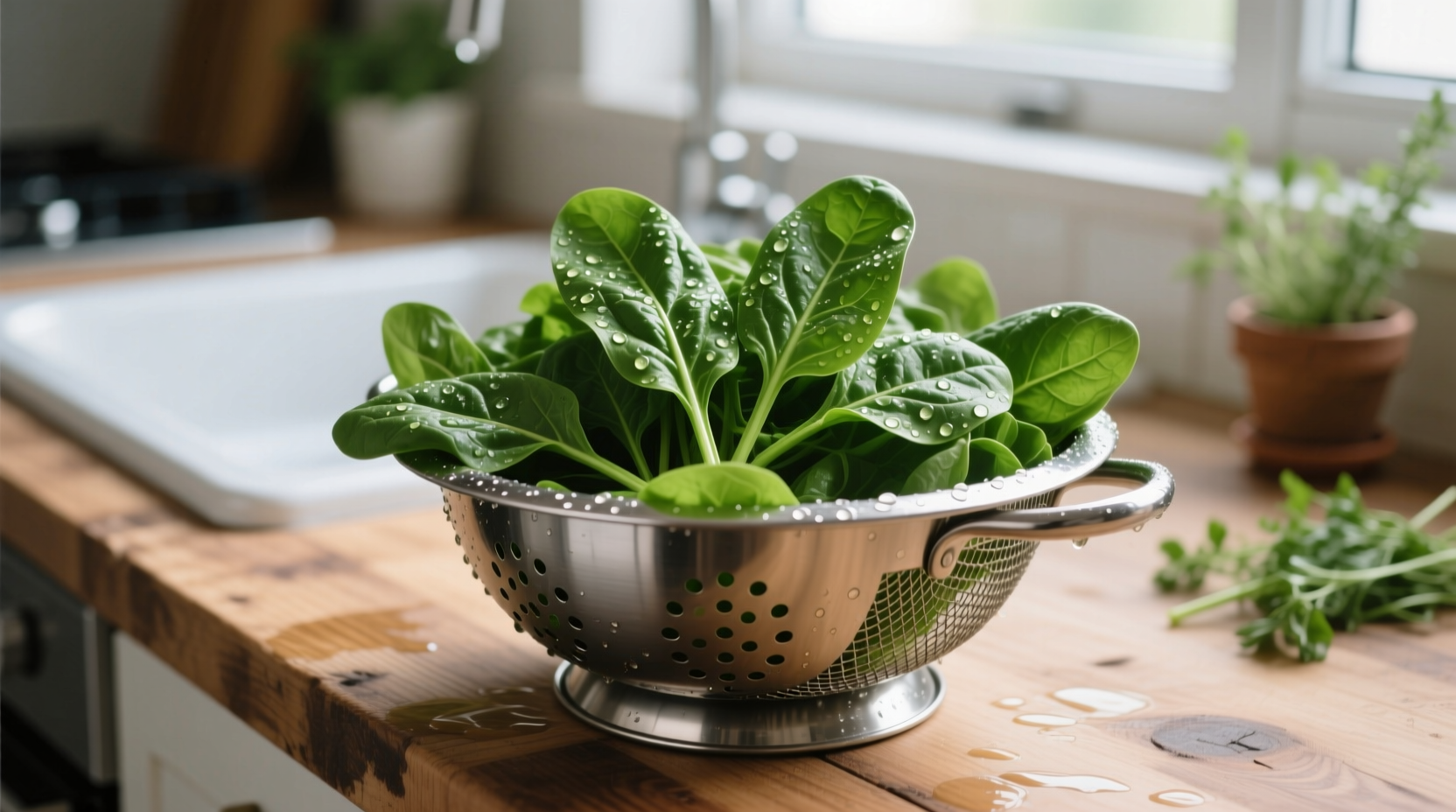
Never skip the drying step—excess water causes steaming instead of proper cooking. Use a salad spinner for best results, or lay leaves between clean kitchen towels and press gently. Properly dried spinach yields vibrant color and prevents dilution of flavors during cooking.
Cooking Method Comparison: Science-Backed Results
Each technique affects texture, nutrient retention, and flavor differently. Understanding these differences helps you select the optimal method for your culinary goals.
| Cooking Method | Time Required | Nutrient Retention* | Best For |
|---|---|---|---|
| Sautéing | 2-3 minutes | 85-90% | Garlic-infused dishes, pasta sauces |
| Steaming | 3-4 minutes | 90-95% | Nutrient-focused meals, baby food |
| Blanching | 1 minute | 75-80% | Soups, freezing for later use |
| Microwaving | 2 minutes | 80-85% | Quick single servings |
*Based on vitamin C and folate retention studies from Journal of Food Science (2023)
Professional Sauté Technique: The 3-Step Method
Chefs prefer sautéing for its speed and flavor development. Heat 1 tablespoon of olive oil in a wide skillet over medium-high heat until shimmering. Add spinach in batches, stirring constantly with tongs. The leaves should sizzle immediately—if they steam instead, your pan isn't hot enough.
Season at the perfect moment: add salt only after spinach has wilted (about 2 minutes), as early salting draws out moisture. Finish with acid—a squeeze of lemon juice or splash of vinegar balances earthiness and enhances iron absorption by 30% according to NIH research.
Nutrient Timeline: What Happens During Cooking
Understanding the precise nutrient changes during cooking helps optimize your technique:
- 0-60 seconds: Rapid wilting occurs as cell walls break down, releasing water content
- 60-120 seconds: Maximum chlorophyll preservation for vibrant green color
- 2-3 minutes: Optimal point for folate and vitamin K retention
- 3+ minutes: Significant nutrient degradation begins, especially water-soluble vitamins
Stop cooking when spinach reaches 75% of its original volume—it will continue cooking from residual heat. Overcooked spinach loses both nutritional value and appealing texture, becoming mushy and dull-colored.
Flavor Pairing Science: Beyond Basic Garlic
Elevate your spinach with scientifically supported flavor combinations:
- Fat + Acid Balance: Extra virgin olive oil with lemon zest maximizes fat-soluble vitamin absorption
- Umami Boosters: A pinch of nutmeg or Parmesan rind enhances savory notes without overpowering
- Texture Contrast: Toasted pine nuts added after cooking provide satisfying crunch
- Sweet Counterpoint: A few dried cranberries balance earthiness in cold spinach salads
Avoid common mistakes like adding salt too early (causes excess water release) or overcrowding the pan (leads to steaming instead of proper wilting). For creamed spinach variations, create a roux first before adding cooked spinach to prevent gumminess.
Contextual Cooking Guide: Matching Method to Meal
Choose your technique based on your culinary goal:
- For smoothies or baby food: Steam then immediately plunge into ice water to preserve maximum nutrients
- For pasta dishes: Sauté with garlic in the same pan used for pasta sauce for flavor continuity
- For quiches or frittatas: Blanch first to remove excess moisture that would make eggs watery
- For quick weeknight sides: Microwave with a damp paper towel for consistent results in minimal time
Remember that mature spinach requires slightly longer cooking than baby spinach due to thicker leaves. Always adjust timing based on your specific stove's heat output—gas stoves typically require 30 seconds less cooking time than electric.
Storage and Reheating Best Practices
Properly stored cooked spinach maintains quality for 3-5 days. Squeeze out excess liquid using a clean kitchen towel before transferring to an airtight container. For freezing, spread cooled spinach in a single layer on a baking sheet before transferring to freezer bags—this prevents clumping.
When reheating, avoid the microwave's high power setting which creates uneven heating. Instead, use 50% power in 30-second intervals, stirring between sessions. For best texture restoration, add a teaspoon of water and cover while reheating to create gentle steam.




 浙公网安备
33010002000092号
浙公网安备
33010002000092号 浙B2-20120091-4