
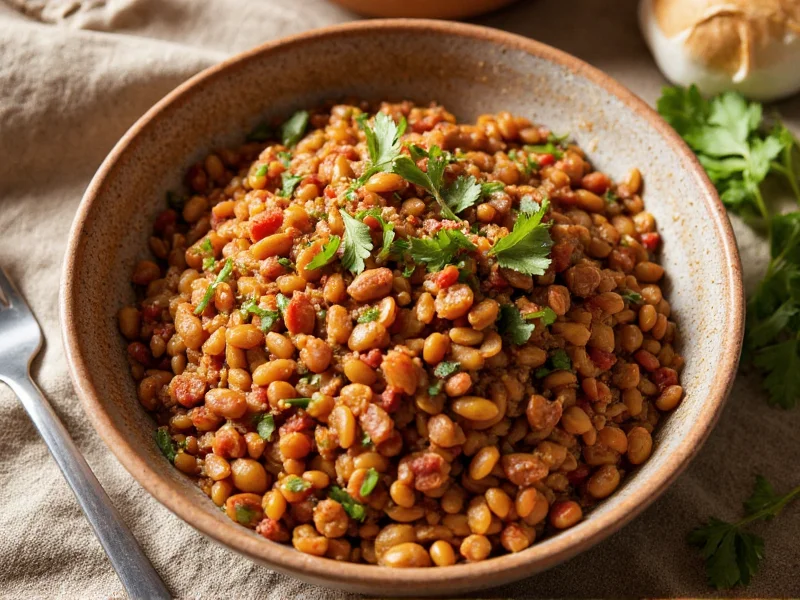
Cooked lentils represent one of nature's most nutritionally complete plant-based foods, offering a powerhouse of essential nutrients in every serving. Unlike many protein sources, lentils deliver complete nutritional benefits without saturated fats or cholesterol. Their impressive nutrient density makes them a staple in Mediterranean, Indian, and Middle Eastern diets, which are consistently associated with longevity and reduced chronic disease risk.
Nutritional Breakdown of Cooked Lentils
Understanding the precise nutritional composition of cooked lentils helps maximize their health benefits. The cooking process actually enhances certain nutritional aspects while making others more bioavailable. When properly prepared, lentils transform from hard, dry legumes into a soft, digestible food that retains most of their valuable nutrients.
| Nutrient | Amount per 1 cup (198g) | % Daily Value |
|---|---|---|
| Calories | 230 | 12% |
| Protein | 18g | 36% |
| Total Carbohydrates | 40g | 15% |
| Dietary Fiber | 15.6g | 56% |
| Sugars | 3.5g | - |
| Total Fat | 0.8g | 1% |
| Folate (B9) | 358mcg | 90% |
| Iron | 6.6mg | 37% |
| Manganese | 1.3mg | 49% |
| Phosphorus | 356mg | 29% |
| Thiamin (B1) | 0.3mg | 29% |
| Potassium | 731mg | 21% |
Health Benefits Linked to Lentil Nutrition
The exceptional nutritional profile of cooked lentils translates to numerous evidence-based health benefits. Their high fiber content, particularly soluble fiber, helps regulate blood sugar levels by slowing glucose absorption. This makes cooked lentils nutrition particularly valuable for individuals managing diabetes or prediabetes.
Research published in The American Journal of Clinical Nutrition demonstrates that regular lentil consumption can reduce LDL cholesterol by up to 5% due to their soluble fiber binding with bile acids. The combination of plant-based protein and complex carbohydrates provides sustained energy release, preventing the blood sugar spikes associated with refined carbohydrates.
Cooking Methods and Nutritional Impact
How you prepare lentils significantly affects their nutritional value. Unlike many vegetables that lose nutrients when cooked, lentils actually increase in certain nutritional aspects when properly prepared. Soaking lentils for 2-4 hours before cooking reduces phytic acid, which can inhibit mineral absorption, thereby increasing the bioavailability of iron and zinc.
Boiling lentils preserves most nutrients, though water-soluble vitamins like some B vitamins may leach into cooking water. Using the cooking liquid in soups or stews ensures you don't lose these valuable nutrients. Pressure cooking maintains more nutrients than extended boiling and significantly reduces cooking time.
Cooked Lentils vs Other Protein Sources
When comparing cooked lentils nutrition to other common protein sources, lentils stand out for their nutrient density without the saturated fats found in many animal proteins. While 1 cup of cooked lentils provides 18g of protein (comparable to 3 ounces of chicken), they also deliver 15.6g of fiber—something animal proteins lack entirely.
The protein quality in lentils, while not complete on its own, becomes complete when paired with grains like rice. This makes them an excellent foundation for vegetarian and vegan diets. Unlike processed meat alternatives, lentils provide naturally occurring nutrients without additives or preservatives.
Practical Applications for Optimal Nutrition
Incorporating cooked lentils into your diet requires minimal effort but delivers maximum nutritional payoff. For optimal digestion and nutrient absorption, aim for 1/2 to 1 cup of cooked lentils daily. They work well in soups, salads, stews, or as a standalone side dish.
For those concerned about digestive discomfort from legumes, gradually increasing lentil consumption while ensuring proper cooking can minimize gas production. Adding spices like cumin or epazote during cooking may further improve digestibility while enhancing flavor.
Addressing Common Misconceptions
Several myths persist about lentil nutrition. Contrary to popular belief, the iron in lentils is well-absorbed when consumed with vitamin C-rich foods like tomatoes or bell peppers. The notion that plant proteins are inferior to animal proteins overlooks the complete amino acid profile achieved when lentils are paired with grains.
Another misconception suggests that canned lentils are significantly less nutritious than home-cooked varieties. While canned options may contain added sodium, rinsing them thoroughly restores their nutritional profile to nearly match freshly cooked lentils.
Conclusion
Cooked lentils represent one of the most nutritionally complete plant-based foods available, offering exceptional value for health-conscious eaters. Their impressive balance of protein, fiber, and micronutrients makes them a dietary powerhouse that supports heart health, blood sugar regulation, and digestive wellness. By understanding the precise cooked lentils nutrition facts and incorporating them properly into meals, you can harness their full health potential while enjoying their versatility in countless culinary applications.
Frequently Asked Questions
How does cooking affect the nutritional value of lentils?
Cooking actually enhances lentil nutrition by reducing anti-nutrients like phytic acid that inhibit mineral absorption. Properly cooked lentils increase the bioavailability of iron and zinc while maintaining most nutrients. Water-soluble vitamins may leach into cooking water, so using this liquid in soups preserves these nutrients. Pressure cooking preserves more nutrients than extended boiling.
Are cooked lentils good for weight loss?
Yes, cooked lentils nutrition makes them excellent for weight management. With 15.6g of fiber and 18g of protein per cup, they promote satiety and reduce overall calorie intake. Their low glycemic index prevents blood sugar spikes that lead to cravings. Studies show people who regularly consume legumes like lentils have lower body mass indexes and reduced abdominal fat compared to those who don't.
How much iron is in cooked lentils and is it well-absorbed?
One cup of cooked lentils contains 6.6mg of iron (37% of daily value). While plant-based iron (non-heme) is generally less absorbable than animal-based iron, pairing lentils with vitamin C-rich foods like tomatoes, citrus, or bell peppers can increase absorption by up to six times. Avoid consuming tea or coffee with lentil meals, as tannins can inhibit iron absorption.
Do cooked lentils contain complete protein?
Lentils alone don't contain all nine essential amino acids in sufficient quantities, but when combined with grains like rice, wheat, or barley, they form a complete protein profile. This complementary protein pairing is common in traditional cuisines worldwide (like rice and lentils in Indian dal). Consuming these complementary proteins within the same day provides complete protein benefits.




 浙公网安备
33010002000092号
浙公网安备
33010002000092号 浙B2-20120091-4