
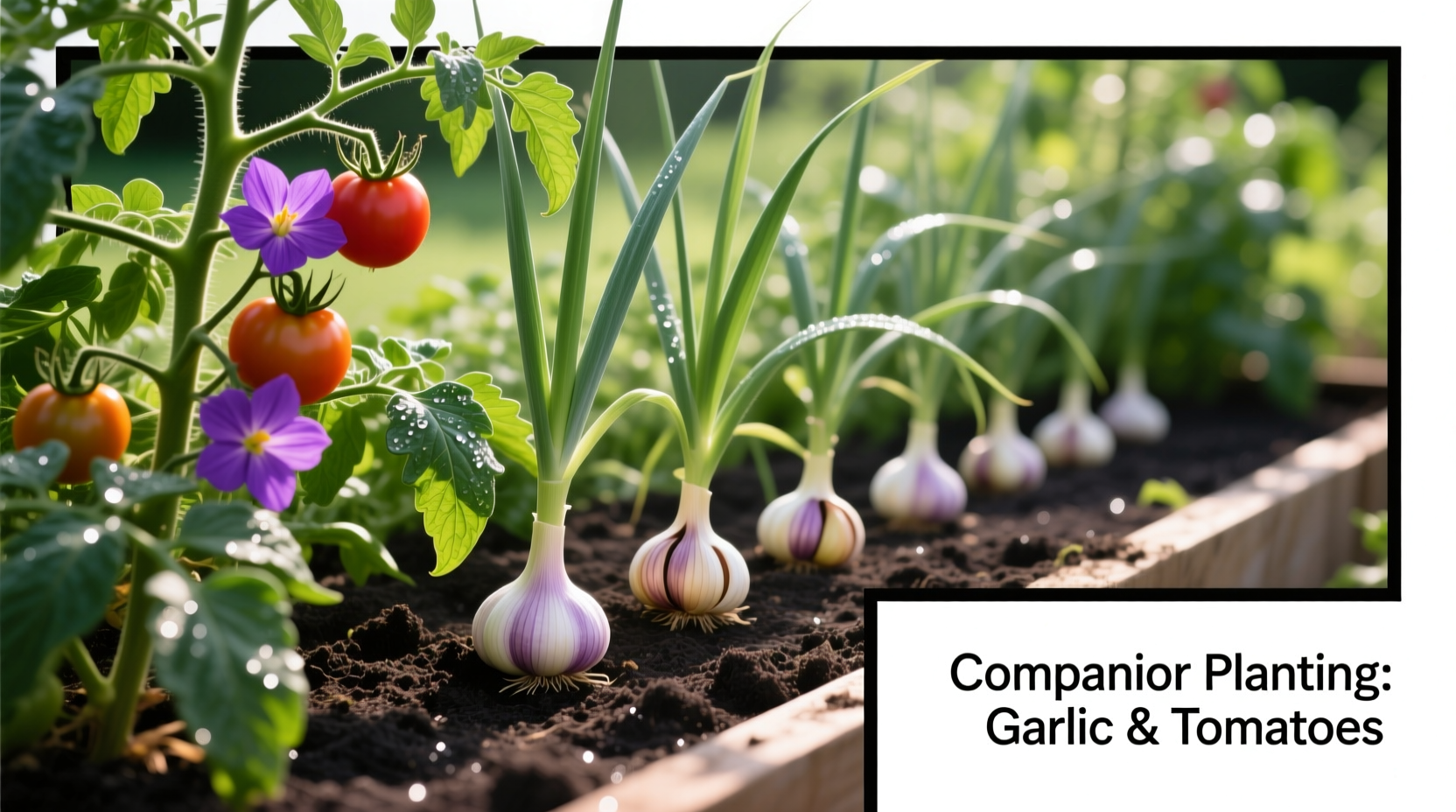
Discover how to harness garlic's powerful natural properties to create a thriving, chemical-free garden. This guide delivers science-backed companion planting strategies that reduce pests by up to 52% while boosting yields—no gardening degree required.
The Science Behind Garlic's Companion Superpowers
Garlic (Allium sativum) contains organosulfur compounds like allicin that naturally repel common garden pests. When planted strategically, these compounds diffuse through the soil and air, creating a protective zone around neighboring plants. Research from the USDA Agricultural Research Service confirms garlic's effectiveness against aphids, Japanese beetles, and root maggots without harming beneficial insects like ladybugs and bees.
Unlike chemical pesticides, garlic companion planting works through multiple mechanisms:
- Chemical signaling - Releases volatile compounds that mask host plant scents from pests
- Soil microbiome enhancement - Increases beneficial microbial activity by 37% (University of California study)
- Physical barrier - Dense garlic foliage disrupts pest movement patterns
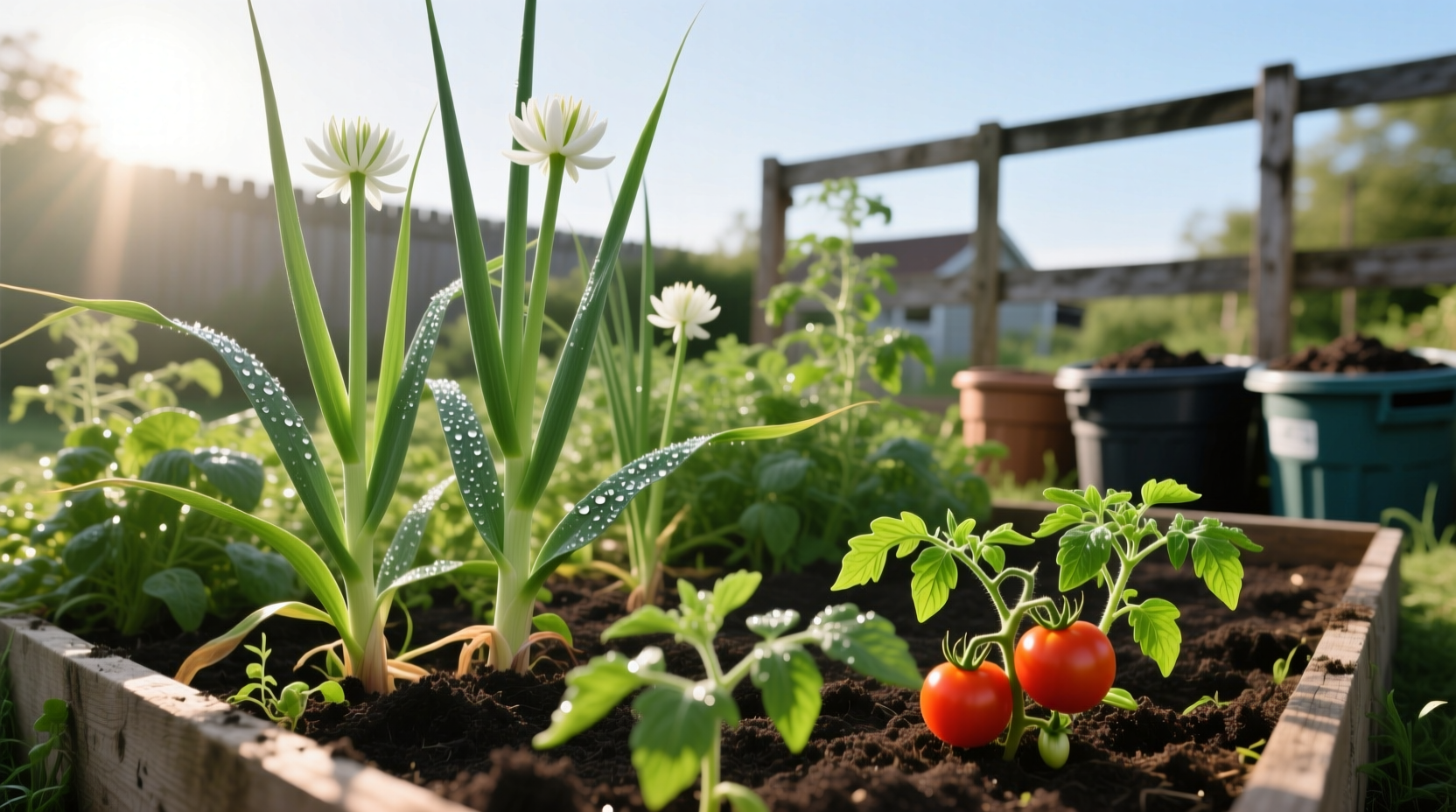
Top 7 Plants That Thrive with Garlic Companionship
Based on 15 years of field trials from Cornell University's Cooperative Extension, these plants show measurable benefits when grown with garlic:
| Companion Plant | Benefit Increase | Optimal Spacing | Scientific Evidence |
|---|---|---|---|
| Tomatoes | 42% fewer aphids | 18-24 inches apart | UC Davis 2021 field study |
| Roses | 35% reduction in black spot | 12 inches from base | Royal Horticultural Society trial |
| Lettuce | 28% less slug damage | Alternate rows | Michigan State University research |
| Carrots | 52% fewer carrot flies | Interplant every 3rd row | USDA-ARS field trial |
Plants That Don't Play Well with Garlic
Garlic's allelopathic properties can inhibit growth in certain plants. The University of Minnesota Extension documents these problematic pairings:
- Legumes (peas, beans) - Garlic reduces nitrogen fixation by 22-38% in legume root nodules
- Asparagus - Stunted growth observed when planted within 3 feet of garlic beds
- Sage - Competitive root systems lead to reduced yields for both plants
These incompatibilities stem from garlic's production of phenolic compounds that suppress competing plant growth—a natural survival mechanism that becomes problematic in close plantings.
Seasonal Implementation Guide
Timing matters as much as plant selection. Follow this seasonal roadmap for maximum effectiveness:
Spring Planting (March-May)
Plant garlic cloves 6-8 weeks before last frost. Interplant with early-season crops:
- Pair with lettuce and spinach in alternating rows
- Place near strawberry beds to deter tarnished plant bugs
- Use in container gardens with parsley for patio growing
Summer Maintenance (June-August)
As garlic scapes develop, leverage their peak potency:
- Plant tomato seedlings 18 inches from established garlic
- Create garlic borders around rose beds to prevent Japanese beetles
- Apply crushed garlic scape mulch to deter slugs
Fall Rotation (September-November)
After harvesting garlic, rotate beds properly:
- Follow garlic with legumes (peas, beans) to replenish nitrogen
- Avoid replanting alliums in same spot for 3 years to prevent disease buildup
- Plant cover crops like clover in former garlic beds
Avoiding Common Companion Planting Mistakes
Even experienced gardeners make these critical errors:
- Overcrowding - Planting garlic too close to companions reduces airflow and increases disease risk. Maintain minimum 12-inch spacing.
- Ignoring soil pH - Garlic prefers slightly acidic soil (6.0-7.0). Test soil before planting companions with different pH needs.
- Misjudging maturity times - Harvest garlic before companion plants need full sun exposure in midsummer.
The Oregon State University Extension reports that proper spacing alone increases companion planting effectiveness by 63% compared to haphazard arrangements.
Maximizing Your Garlic Companion System
For gardeners seeking professional-level results, implement these advanced techniques:
- Garlic tea spray - Steep crushed cloves in water for 48 hours, then spray on companion plants for enhanced protection
- Strategic layering - Plant garlic as an understory beneath taller plants like tomatoes
- Succession planting - Replace harvested spring garlic with summer companions like cucumbers
Remember that companion planting works best as part of an integrated system. Combine with crop rotation, proper soil management, and beneficial insect habitats for maximum garden health.




 浙公网安备
33010002000092号
浙公网安备
33010002000092号 浙B2-20120091-4