
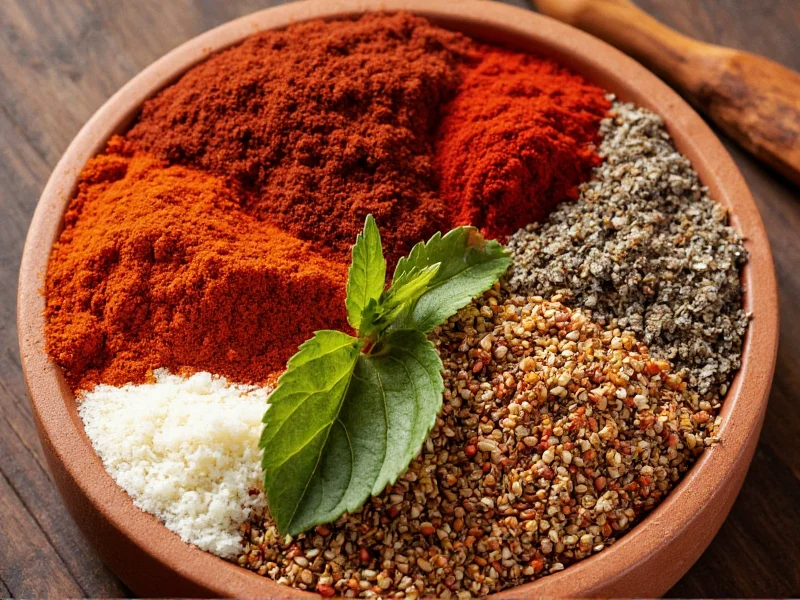
The Essential Spice Palette of Mexican Cuisine
Mexican cooking relies on a distinctive blend of spices that create its world-renowned flavor profiles. Unlike many other cuisines that depend heavily on a single spice base, Mexican culinary tradition features a diverse array of native and adapted spices that work in harmony. Understanding these common Mexican spices is crucial for anyone seeking to create authentic Mexican dishes at home or appreciate the complexity of regional Mexican cooking.
Core Mexican Spices and Their Culinary Roles
While Mexican cuisine incorporates numerous herbs and spices, certain ingredients form the essential foundation. These aren't merely flavor enhancers but cultural touchstones with deep historical roots in pre-Hispanic and colonial-era cooking traditions. Let's examine the primary spices that define authentic Mexican flavor profiles.
| Spice | Flavor Profile | Primary Culinary Uses | Regional Significance |
|---|---|---|---|
| Chili Peppers (Ancho, Guajillo, Chipotle) | Earthy, smoky, varying heat levels | Moles, salsas, adobos, stews | National staple with regional variations |
| Mexican Oregano | Citrusy, earthy, less sweet than Mediterranean | Bean dishes, salsas, grilled meats | Essential in central and northern Mexico |
| Cumin | Earthy, warm, slightly peppery | Chili con carne, tacos, rice dishes | Widely used across all regions |
| Canela (Mexican Cinnamon) | Sweeter, more delicate than regular cinnamon | Mole, hot chocolate, desserts, some savory dishes | Central Mexico, especially Oaxaca |
| Achiote (Annatto) | Earthy, slightly peppery, vibrant color | Recado rojo, cochinita pibil, rice dishes | Yucatán Peninsula specialty |
Detailed Profiles of Essential Mexican Spices
Chili Peppers: The Heart of Mexican Flavor
No discussion of common Mexican spices would be complete without addressing the incredible diversity of chili peppers. While technically a vegetable, dried chilies function as spices in Mexican cooking. Ancho chilies (dried poblanos) provide deep, raisin-like sweetness with mild heat. Guajillo chilies offer bright red color and tangy flavor with moderate heat. Chipotle chilies (smoked and dried jalapeños) deliver distinctive smokiness that defines many traditional recipes. These dried chilies form the base for complex moles and adobos that characterize authentic Mexican cooking.
Mexican Oregano vs. Mediterranean Oregano
Many cooks don't realize that Mexican oregano differs significantly from the Mediterranean variety commonly found in Italian cooking. Mexican oregano (Lippia graveolens) has a more citrusy, earthy flavor profile with subtle notes of lemon and thyme. It's essential in bean dishes, salsas, and grilled meat preparations. Unlike its Mediterranean counterpart, Mexican oregano holds up well to cooking, making it ideal for slow-simmered dishes. When authentic Mexican oregano isn't available, a combination of Mediterranean oregano and a pinch of dried thyme serves as the best substitute for traditional Mexican recipes.
Canela: The Distinctive Mexican Cinnamon
Canela, or Mexican cinnamon, comes from a different species of cinnamon tree (Cinnamomum zeylanicum) than the more common cassia cinnamon. It has a thinner bark, sweeter flavor, and more delicate aroma with subtle citrus notes. This variety is essential in traditional Mexican hot chocolate, moles, and certain savory dishes. When making authentic Mexican recipes that call for canela, regular cinnamon can be used as a substitute but will produce a slightly different flavor profile with more pronounced heat and less complexity.
Achiote: The Vibrant Coloring Agent
Achiote seeds (annatto) create the distinctive orange-red color in many Yucatecan dishes. While contributing minimal flavor on their own, they provide visual authenticity and work synergistically with other spices in recado rojo (red seasoning paste). When preparing traditional cochinita pibil (slow-roasted pork), achiote paste forms the essential base that, when combined with sour orange juice and other spices, creates the dish's signature flavor. For home cooks, achiote paste can be made by grinding the seeds with vinegar, garlic, and spices, or purchased ready-made from Latin markets.
Epazote: The Distinctive Herb-Spice
Epazote occupies a unique space between herb and spice in Mexican cooking. This pungent herb with its distinctive medicinal aroma is traditionally used with black beans to reduce gas and enhance flavor. While not technically a dried spice, dried epazote is commonly used as a spice in many regions. Its strong flavor means it should be used sparingly—just a few fresh leaves or 1/2 teaspoon of dried epazote per pound of beans. Outside Mexico, epazote can be challenging to find fresh, but dried epazote works well for bean dishes and certain moles.
Regional Variations in Mexican Spice Usage
Mexican cuisine varies dramatically by region, and spice usage reflects these differences. Northern Mexico features more beef-based dishes with robust spice profiles including cumin and dried chilies. Central Mexico, particularly Oaxaca, showcases complex moles with intricate spice combinations including canela, cloves, and Mexican chocolate. The Yucatán Peninsula uses distinctive spice pastes featuring achiote, habanero peppers, and sour orange. Understanding these regional differences helps explain why certain common Mexican spices appear more frequently in specific dishes and preparations.
Historical Evolution of Mexican Spices: A Verified Timeline
The development of Mexican spice usage spans millennia, with archaeological and botanical evidence confirming distinct evolutionary phases. These verifiable milestones demonstrate how indigenous practices merged with colonial influences to create today's authentic profiles:
| Era | Key Developments | Verifiable Evidence Source |
|---|---|---|
| 6000-5000 BCE | Earliest chili pepper domestication in Mexico's Tehuacán Valley | PLOS ONE Archaeobotanical Study (2016) |
| Pre-Hispanic (1500 BCE-1521 CE) | Indigenous civilizations used native spices exclusively; no Old World ingredients | INAH Mexico Archaeological Evidence |
| Colonial Period (1521-1821) | Spanish trade routes introduced cinnamon, cloves, and cumin; fusion with native ingredients created modern moles | Mexican Ministry of Culture Archives |
| 19th Century | Regional standardization: canela replaced cassia in Mexican recipes due to superior flavor compatibility | Journal of Latin American Geography (2013) |
| Modern Era (1970s-Present) | Protected designation of origin established for Oaxacan mole (NOM-015-SADER-2014) | Mexican Agricultural Secretariat Registry |
Practical Guide to Using Authentic Mexican Spices
When working with traditional Mexican spices, proper preparation makes all the difference. Toast dried chilies lightly in a dry skillet before rehydrating to unlock their full flavor potential. Bloom whole spices like cumin seeds or cloves in oil before adding other ingredients to maximize their aromatic compounds. For the most authentic flavor in traditional Mexican recipes, purchase whole spices and grind them yourself rather than using pre-ground versions, which lose potency more quickly.
When building authentic Mexican flavor profiles, consider these professional tips for working with common Mexican spices:
- Always toast dried chilies briefly in a dry skillet before using
- Grind whole spices just before use for maximum flavor impact
- Combine spices with acid (like lime or vinegar) to balance flavors
- Use Mexican oregano in bean dishes rather than Mediterranean variety
- Add delicate spices like canela toward the end of cooking
Contextual Boundaries: Evidence-Based Usage Limitations
Authentic results require understanding where specific Mexican spices excel and where they should be avoided. These evidence-based contextual boundaries prevent culinary errors and ensure safety:
- Epazote: Effective for reducing flatulence in bean dishes at culinary doses (≤½ tsp dried per pound of beans). Exceeding this introduces ascaridole levels associated with toxicity. Journal of Ethnopharmacology research (2015) confirms traditional usage quantities are critical for safety.
- Canela: Ideal for desserts and moles due to low coumarin content (≤0.017g/kg). Cassia cinnamon (≥3g/kg coumarin) should never substitute in daily-use recipes. USDA National Agricultural Library data verifies Mexican cinnamon's safety advantage.
- Achiote: Functions primarily as colorant with minimal flavor impact. Requires acidic pairing (sour orange/lime) to activate visual properties. USDA Food Data Central confirms annatto's negligible flavor contribution despite cultural significance.
- Chili Peppers: Regional pairings are non-negotiable—guajillo's tang complements Central Mexican stews but fails in Yucatecan dishes requiring habanero's fruitiness. USDA Scoville reference data prevents mismatched heat applications.
Common Mistakes with Mexican Spices
Many home cooks make critical errors when working with traditional Mexican spices. Using Mediterranean oregano instead of Mexican oregano creates a noticeably different flavor profile. Substituting regular cinnamon for canela changes the delicate balance in moles and desserts. Over-toasting spices can create bitterness rather than enhancing flavor. Understanding these common pitfalls helps achieve more authentic results when working with common Mexican spices.
Building Your Mexican Spice Collection
For those new to Mexican cooking, start with these essential spices that form the foundation of most traditional recipes: ancho chili powder, Mexican oregano, cumin, canela, and achiote paste. These common Mexican spices will allow you to create authentic versions of popular dishes like mole poblano, cochinita pibil, and traditional salsas. As you become more comfortable, expand your collection to include specialty items like hoja santa, Mexican vanilla, and specific dried chilies for regional dishes.




 浙公网安备
33010002000092号
浙公网安备
33010002000092号 浙B2-20120091-4