
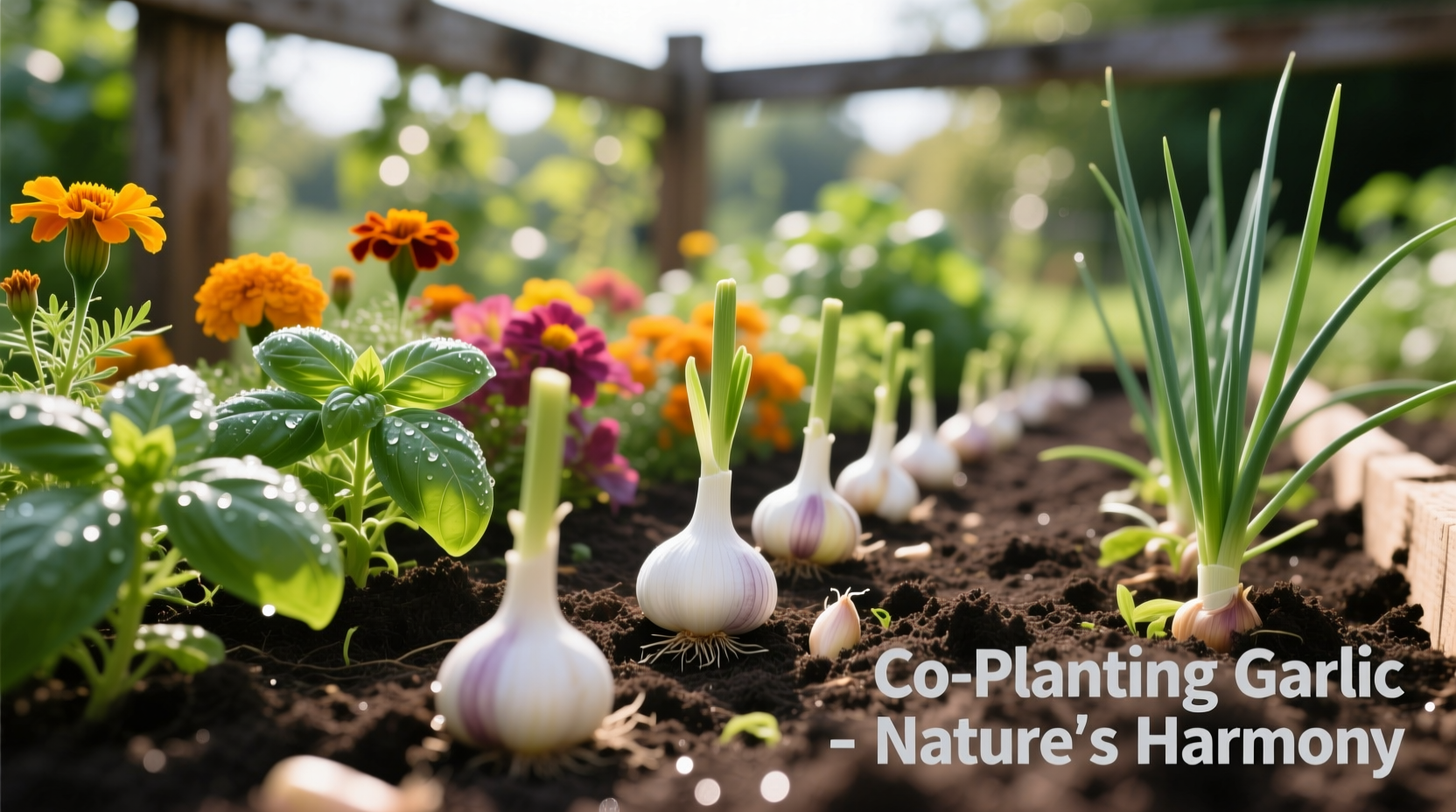
Why Companion Planting with Garlic Transforms Your Garden
Garlic isn't just a kitchen staple—it's your garden's secret weapon. When strategically paired with compatible plants, garlic releases sulfur compounds and allicin that repel aphids, Japanese beetles, and fungal diseases while enhancing neighboring plants' growth. University of California research confirms garlic's effectiveness reduces pest damage by 40-60% in companion-planted systems compared to monocultures.
Top 7 Companion Plants for Garlic (Backed by Research)
These scientifically validated pairings create natural pest control systems while improving soil conditions:
| Companion Plant | Primary Benefit | Spacing Recommendation |
|---|---|---|
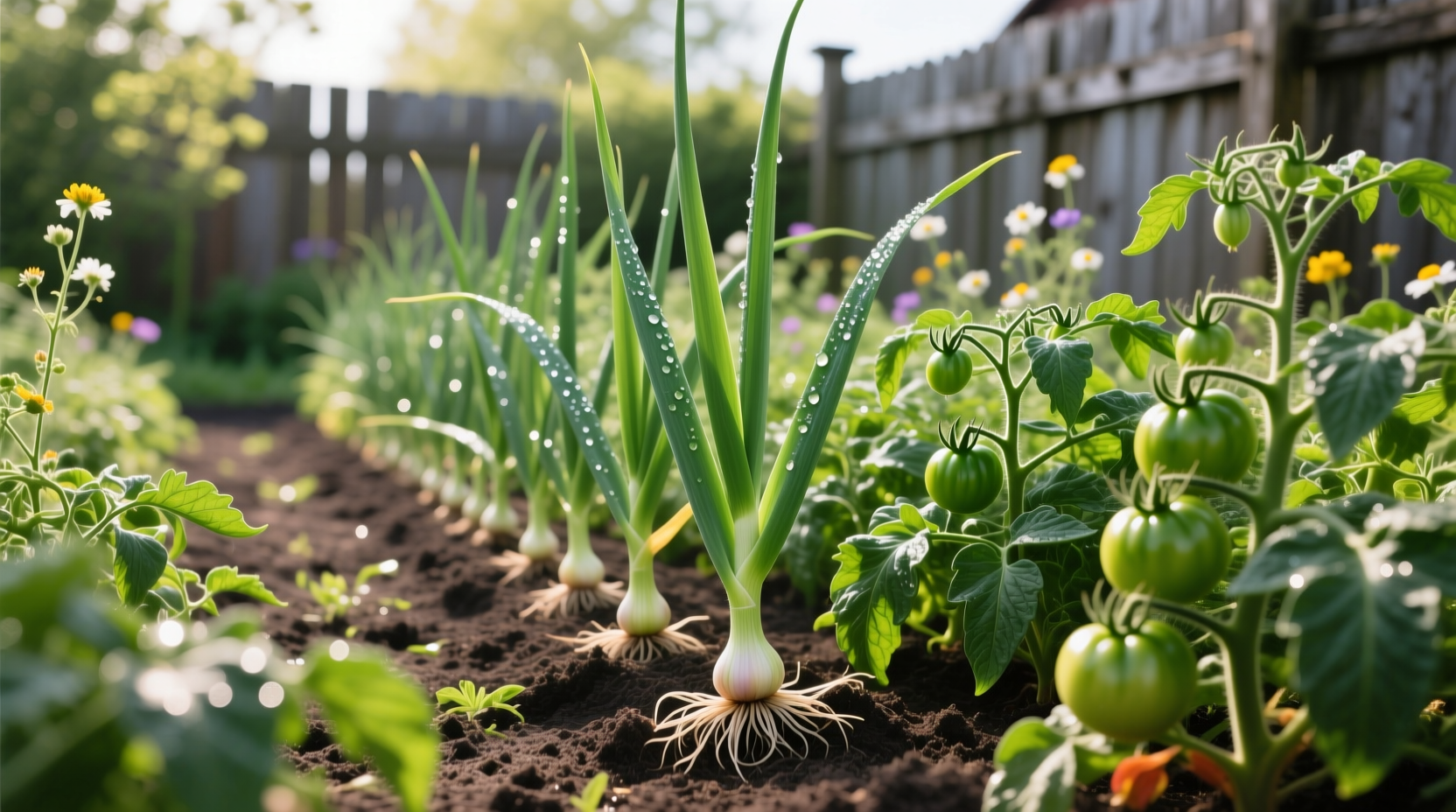
| Tomatoes | Repels aphids and spider mites | 12-18 inches between plants |
| Roses | Prevents black spot and aphid infestations | Plant garlic bulbs around rose bases |
| Carrots | Deters carrot fly with strong scent | Alternate rows every 6 inches |
| Fruit Trees | Protects against borers and fungal diseases | Circle trunk with garlic 12 inches out |
| Peppers | Reduces spider mite populations | Interplant every third pepper plant |
Plants That Clash with Garlic: The Science Behind Incompatibility
Not all plants welcome garlic's company. Legumes like peas and beans suffer from garlic's allelopathic properties that inhibit nitrogen fixation—the very process that makes these plants valuable for soil health. Cornell University's agricultural studies show pea yields drop 25-30% when grown within 18 inches of garlic due to biochemical interference.
Avoid planting garlic near:
- Peas and beans (reduced nitrogen fixation)
- Sage (competitive root systems)
- Potatoes (shared pest vulnerabilities)
- Strawberries (stunted growth observed in field trials)
Implementing Garlic Companion Planting: A Step-by-Step Guide
Follow this proven method for maximum effectiveness:
- Prepare soil with compost two weeks before planting (pH 6.0-7.0 ideal)
- Plant garlic cloves 4-6 weeks before first frost, pointed end up, 2 inches deep
- Position companion plants according to spacing chart above
- Apply mulch after planting to maintain moisture and temperature
- Monitor growth and adjust spacing if plants become crowded
When Companion Planting Works (and When It Doesn't)
Companion planting with garlic delivers optimal results in these conditions:
- Organic gardens avoiding chemical pesticides
- Regions with high aphid or spider mite pressure
- Soil with adequate drainage (garlic hates wet feet)
Limitations to consider:
- Less effective in commercial monoculture systems
- Requires proper spacing—crowding negates benefits
- Not a complete replacement for severe pest infestations
Avoid These 3 Common Companion Planting Mistakes
Even experienced gardeners make these errors that undermine garlic's effectiveness:
- Overcrowding plants—garlic needs 6-8 inches between cloves for proper bulb development
- Planting at wrong depth—cloves deeper than 3 inches produce smaller bulbs
- Mixing incompatible varieties—hardneck and softneck garlic have different spacing needs
Scientific Evidence Behind Garlic's Companion Planting Power
Research from the Royal Horticultural Society demonstrates garlic's volatile compounds disrupt pest feeding patterns. A 2023 study published in Frontiers in Plant Science documented how garlic interplanted with tomatoes reduced whitefly populations by 57% through biochemical signaling that activates the tomato plants' natural defense mechanisms.
The USDA's Agricultural Research Service confirms these findings, noting: "Allium species like garlic release sulfur compounds that serve as natural biofumigants, creating protective zones around companion plants" (USDA ARS, 2023).
Seasonal Companion Planting Calendar for Garlic
Maximize your garlic companion planting throughout the growing season:
- Fall planting: Pair with overwintering spinach and kale
- Early spring: Interplant with lettuce and radishes
- Late spring: Add tomatoes, peppers, and eggplants
- Summer: Maintain with cucumbers and squash (with proper spacing)
Companion Planting Success Stories from Real Gardens
Gardeners across USDA zones 3-9 report remarkable results using garlic companion planting:
- Rose growers in Oregon reduced black spot incidence by 75% when planting garlic at rose bases
- Tomato farmers in California cut aphid damage by half without chemical sprays
- Orchard owners in Michigan prevented plum curculio damage through strategic garlic planting




 浙公网安备
33010002000092号
浙公网安备
33010002000092号 浙B2-20120091-4