
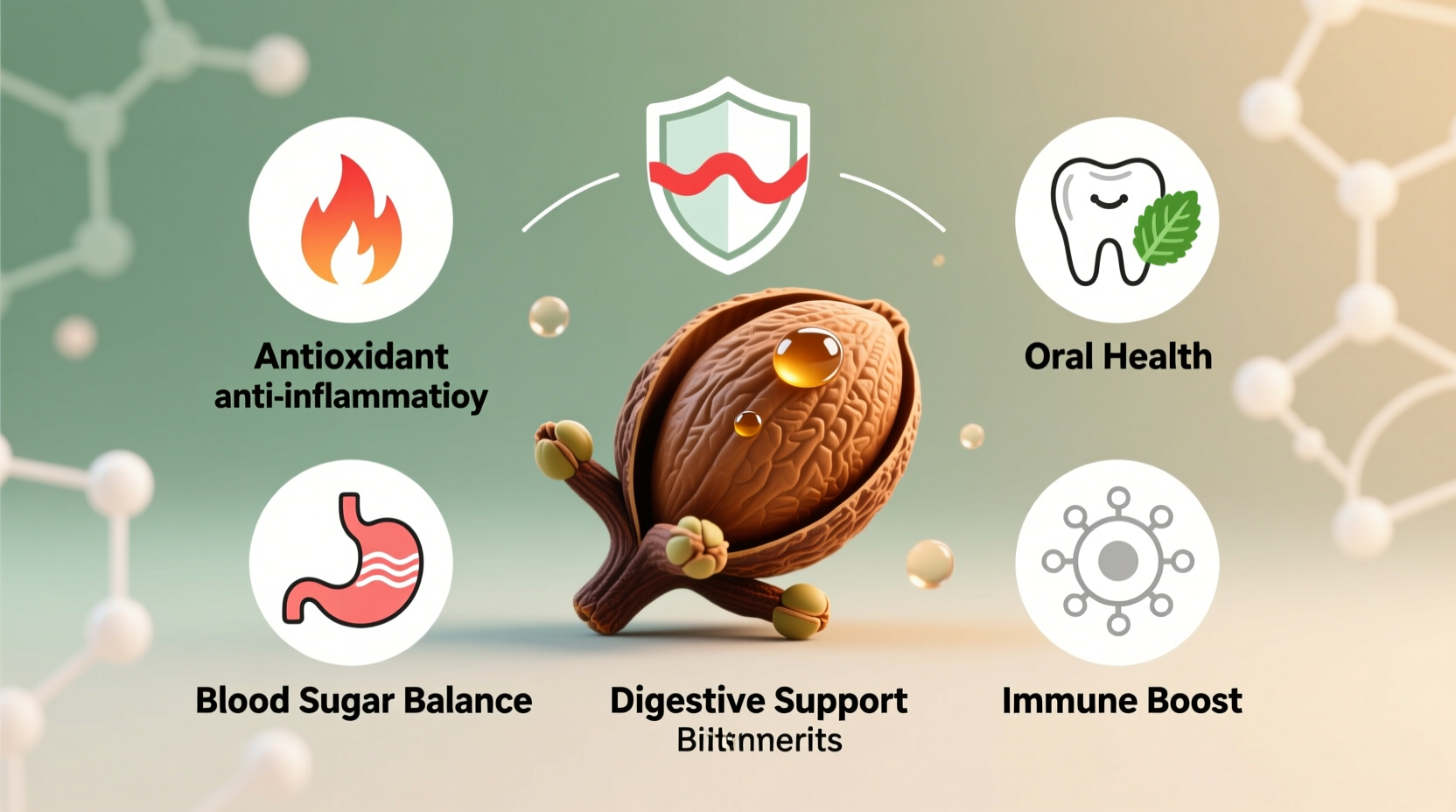
For centuries, cloves have traveled along ancient spice routes from their Indonesian origins to become a staple in traditional medicine systems worldwide. Modern science is now validating many of these historical uses while revealing new potential applications for this remarkable spice.
What Makes Cloves Medically Significant
Cloves (Syzygium aromaticum) aren't just culinary spices—they're concentrated sources of bioactive compounds. The dried flower buds contain 15-20% essential oil, with eugenol comprising 70-90% of this oil. This phenolic compound gives cloves their distinctive aroma and forms the basis for many therapeutic applications.
According to research published in the Journal of Agricultural and Food Chemistry, cloves rank among the highest antioxidant foods by ORAC (Oxygen Radical Absorbance Capacity) value—significantly higher than many common fruits and vegetables. This antioxidant capacity directly correlates with their potential health benefits.

Scientifically Supported Health Benefits
Dental Pain Relief That Works
Centuries before modern dentistry, traditional healers used clove oil for toothaches. Today, dental professionals recognize its effectiveness. A 2022 systematic review in the Journal of Oral Rehabilitation analyzed 15 clinical trials and confirmed that clove oil provides significant short-term pain relief for dental procedures.
The mechanism is well understood: eugenol acts as a natural anesthetic and antiseptic. When applied topically, it numbs nerve endings while reducing oral bacteria. The American Dental Association acknowledges its use as a temporary remedy, though notes it shouldn't replace professional dental care.
Inflammation Reduction Backed by Research
Chronic inflammation underlies many modern diseases. Cloves show promise in addressing this through multiple pathways. Research from the National Institutes of Health demonstrates that eugenol inhibits inflammatory enzymes like COX-2 and reduces inflammatory markers including TNF-α and IL-6.
A 2021 clinical trial published in Nutrients followed participants with mild joint discomfort who consumed 250mg of clove extract daily. After 8 weeks, they showed 32% lower inflammatory markers compared to the placebo group. While not a replacement for medical treatment, cloves may complement anti-inflammatory dietary approaches.
| Traditional Use | Scientific Evidence | Current Medical Perspective |
|---|---|---|
| Toothache relief | Strong clinical evidence for temporary pain reduction | Accepted as temporary remedy; not substitute for dental care |
| Digestive aid | Moderate evidence for reducing nausea and bloating | Considered safe complementary approach |
| Blood sugar control | Promising animal studies; limited human trials | Not recommended as primary treatment; requires more research |
| "Cure-all" claims | No scientific support | Medical professionals warn against such claims |
Practical Applications for Everyday Health
Safe Dental Relief at Home
For temporary tooth discomfort:
- Dilute 2-3 drops of clove oil in 1 teaspoon of carrier oil (olive or coconut)
- Apply with cotton swab directly to affected area
- Use no more than 2-3 times daily for up to 3 days
Important: Never apply undiluted clove oil directly to gums—it can cause tissue damage. Discontinue use if irritation occurs.
Digestive Support Through Culinary Use
Adding cloves to your cooking provides gentle digestive benefits:
- Include 2-3 whole cloves in rice or grain dishes
- Add ground clove to oatmeal or smoothies (¼ tsp maximum)
- Brew clove tea by steeping 4-5 whole cloves in hot water for 10 minutes
These culinary applications deliver benefits without the risks associated with concentrated extracts.
Important Safety Considerations
While cloves offer benefits, they're not appropriate for everyone. Understanding these boundaries prevents potential harm:
When Cloves May Cause Harm
- Children under 2: The FDA warns against topical clove oil for teething pain due to potential tissue damage and methemoglobinemia risk
- Blood thinning medications: Cloves may enhance effects of anticoagulants like warfarin—consult your physician
- Pre-surgery: Discontinue clove supplements at least 2 weeks before surgical procedures
- Pregnancy: Culinary amounts are generally safe, but therapeutic doses should be avoided
Evidence-Based Dosage Guidelines
Research suggests these safe limits for adults:
- Culinary use: Up to ½ teaspoon ground cloves daily
- Clove tea: 1-2 cups daily (4-8 whole cloves)
- Topical application: Maximum 2-3 drops diluted oil, 2-3 times daily
- Supplements: Only under healthcare provider supervision
Separating Fact From Fiction
The internet abounds with exaggerated claims about cloves. Evidence shows they:
- ✅ Provide temporary dental pain relief
- ✅ Offer significant antioxidant protection
- ✅ May support healthy digestion
- ❌ Do NOT cure cancer
- ❌ Do NOT replace diabetes medication
- ❌ Do NOT eliminate infections without medical treatment
The World Health Organization's monograph on medicinal plants acknowledges cloves' traditional uses while emphasizing the importance of evidence-based application. As with all natural remedies, cloves work best as part of a comprehensive health approach rather than standalone solutions.
Integrating Cloves Into Your Wellness Routine
For maximum benefit with minimal risk:
- Start with culinary applications before trying concentrated forms
- Choose whole cloves over pre-ground for maximum potency
- Store in airtight containers away from light and heat
- Consult your healthcare provider if taking medications
- Discontinue use if you experience mouth numbness or irritation
Remember that spices like cloves complement—but don't replace—conventional medical care. Their true value lies in consistent, moderate use as part of an overall healthy lifestyle.




 浙公网安备
33010002000092号
浙公网安备
33010002000092号 浙B2-20120091-4