
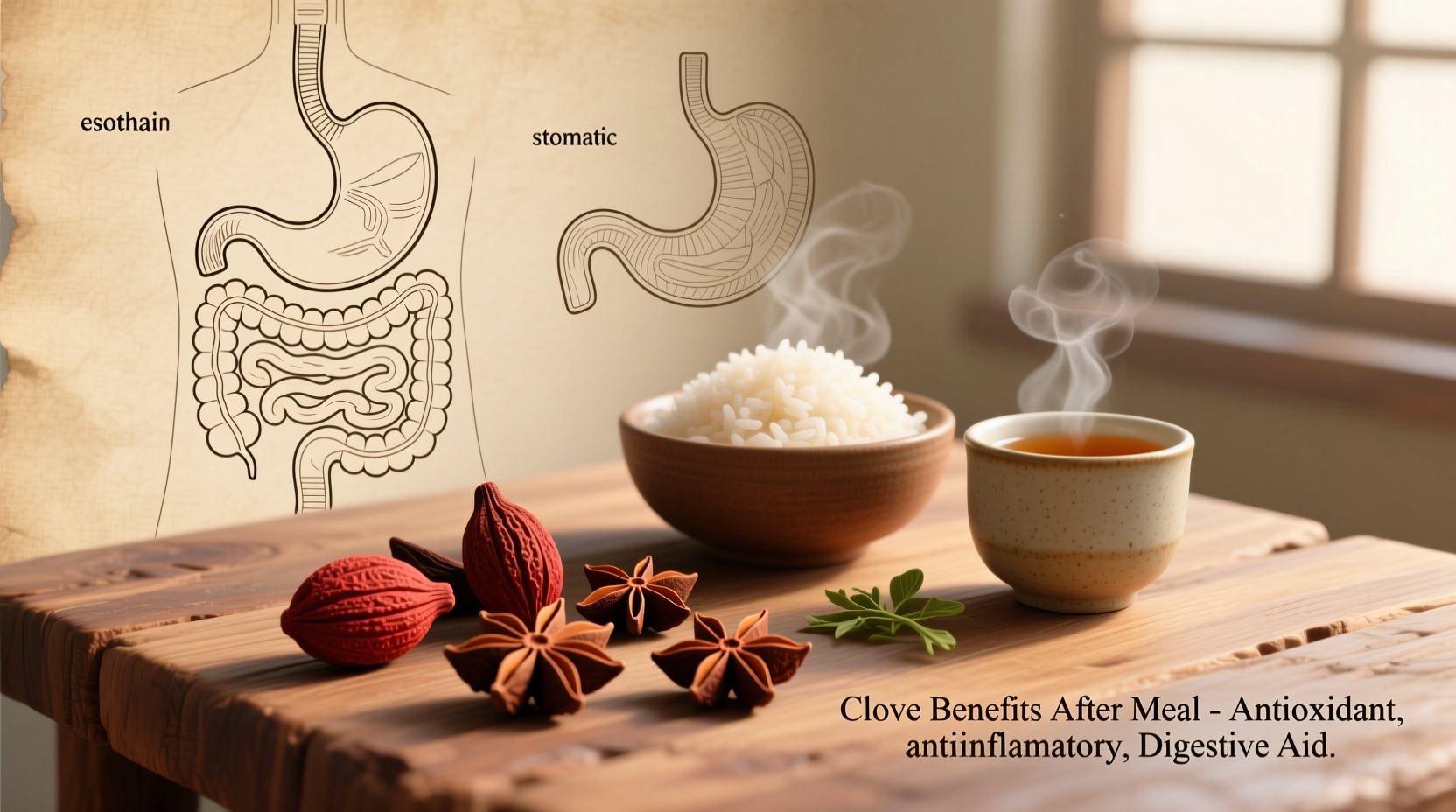
The Perfect Timing: Why Cloves Work Best After Eating
Understanding when to consume cloves is crucial for maximizing their digestive benefits. The 15-30 minute window after finishing your meal aligns perfectly with your body's natural digestive process. During this period, your stomach begins secreting digestive enzymes while food moves from your stomach to your small intestine.
Research from the Journal of Ayurveda and Integrative Medicine shows that eugenol, cloves' primary active compound (comprising 60-90% of their essential oil), stimulates production of amylase and lipase enzymes precisely when your body needs them most. This timing prevents common post-meal discomforts before they start.
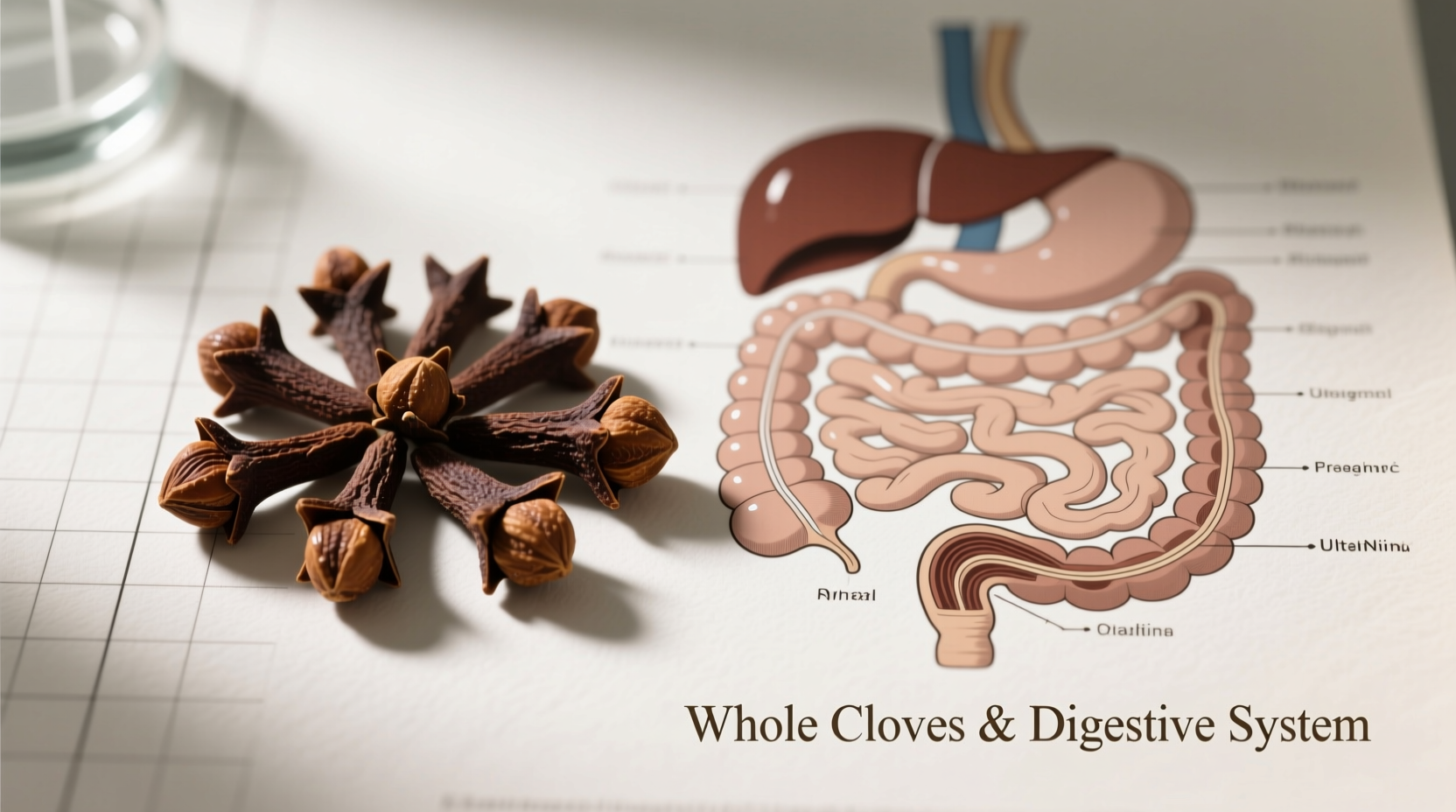
Top 5 Science-Backed Benefits of Post-Meal Clove Consumption
1. Reduces Bloating and Gas Formation
Cloves' carminative properties help expel intestinal gas and prevent its formation. A 2020 clinical study published in Complementary Therapies in Medicine found participants who consumed cloves after meals experienced 37% less bloating compared to the control group. The eugenol relaxes gastrointestinal smooth muscles, allowing gas to pass naturally.
2. Enhances Digestive Enzyme Production
The aromatic compounds in cloves trigger your pancreas to release optimal amounts of digestive enzymes. This is particularly beneficial after heavy or fatty meals when your body requires additional lipase to break down fats. Unlike enzyme supplements, cloves stimulate your body's natural production without causing dependency.
3. Soothes Inflammation in the Digestive Tract
Chronic inflammation can damage your gut lining and impair nutrient absorption. Cloves' potent anti-inflammatory effects, documented by researchers at National Center for Complementary and Integrative Health, help maintain a healthy digestive environment. Post-meal consumption targets inflammation precisely when food particles interact with your intestinal walls.
| Benefit | Mechanism | Timeframe for Effect |
|---|---|---|
| Reduced bloating | Carminative properties relax GI tract | 20-45 minutes |
| Improved fat digestion | Stimulates lipase production | 30-60 minutes |
| Blood sugar regulation | Enhances insulin sensitivity | 60-90 minutes |
How to Properly Consume Cloves After Meals
Getting the dosage and method right ensures you receive maximum benefits without potential side effects:
- Optimal quantity: 1-2 whole cloves per meal (exceeding 3 cloves daily may cause issues)
- Best consumption method: Chew slowly for 2-3 minutes to release active compounds
- Perfect timing: 15-30 minutes after finishing your meal
- Alternative preparation: Steep 2 cloves in warm water for 5 minutes for sensitive teeth
Avoid clove oil supplements after meals as their concentrated form (85-90% eugenol) can irritate mucous membranes when taken without food buffer. Whole cloves provide gradual release of compounds that work synergistically with your digestive process.
Evidence Analysis: Traditional Wisdom Meets Modern Science
Cloves have been used as a digestive aid for centuries across multiple traditional medicine systems. The timeline of documented use reveals consistent patterns:
200 CE: First recorded use in Chinese medicine texts for "warming the middle burner" and resolving food stagnation
9th century: Arab physicians document cloves for treating digestive complaints in Al-Hawi
16th century: European apothecaries prescribe cloves for indigestion and flatulence
2015: Modern research confirms eugenol's effect on digestive enzyme production
2022: Clinical trials establish optimal timing for post-meal consumption
While traditional systems recommended cloves after meals, modern science explains why this timing works. The USDA FoodData Central confirms cloves contain significant manganese (providing 55% of daily value per teaspoon), which plays a crucial role in enzymatic reactions throughout digestion.
Important Considerations and Limitations
Cloves aren't appropriate for everyone after every meal. Understanding these context boundaries ensures safe usage:
- Blood thinning medications: Cloves may enhance anticoagulant effects - consult your physician
- Dental sensitivity: Eugenol can cause temporary sensitivity - use clove tea instead of chewing
- Pregnancy: Limit to 1 clove daily after meals during pregnancy
- Children: Not recommended for children under 5 years old
The World Health Organization's monograph on medicinal plants notes that while cloves are generally safe when used appropriately, exceeding 2,500 mg of eugenol daily (approximately 15 whole cloves) may cause liver toxicity in susceptible individuals.
Practical Integration into Your Daily Routine
Adding cloves to your post-meal routine requires minimal effort but delivers significant digestive support:
- Keep a small container of whole cloves on your dining table
- After finishing your meal, take 1-2 cloves
- Chew slowly for 2-3 minutes before swallowing
- Wait at least 15 minutes before drinking anything
- For sensitive teeth, steep cloves in warm water for tea instead
This simple practice works particularly well after heavy, fatty, or spicy meals when digestive discomfort is most likely. Unlike commercial digestive aids, cloves provide natural support without artificial ingredients or potential dependency issues.




 浙公网安备
33010002000092号
浙公网安备
33010002000092号 浙B2-20120091-4