
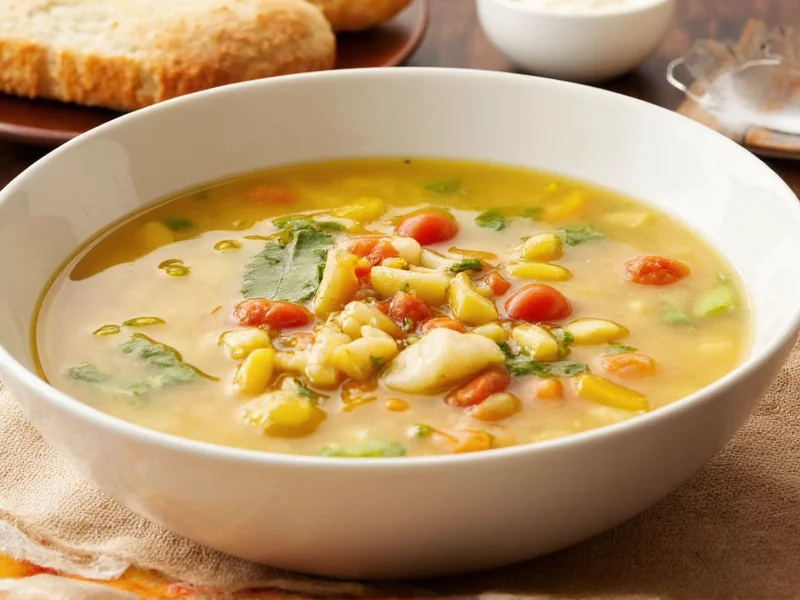
The Art of Crafting Perfect Clear Soups
Clear soups represent one of culinary arts' most elegant preparations, requiring precision and understanding of fundamental techniques. Unlike creamy or pureed soups, clear varieties showcase transparency as their defining characteristic, allowing ingredients to be visible through the broth. This category includes traditional preparations like consommé, Asian broths, and light vegetable infusions that have been perfected across cultures for centuries.
What Makes a Soup Truly Clear?
The science behind clear soup preparation involves careful temperature control and clarification processes. When proteins and fats emulsify into the broth, they create cloudiness. To prevent this:
- Maintain a gentle simmer (180-200°F/82-93°C) rather than a rolling boil
- Skim impurities regularly during initial cooking
- Use egg whites or specialized clarification techniques for professional results
- Strain through multiple layers of cheesecloth for ultimate clarity
| Clear Soup Type | Broth Base | Key Clarification Method | Traditional Origin |
|---|---|---|---|
| Consommé | Meat or poultry stock | Egg white raft | French cuisine |
| Dashijiru | Dashi (kelp & bonito) | Natural settling | Japanese cuisine |
| Canh | Light meat or vegetable stock | Skimming & careful simmering | Vietnamese cuisine |
| Tang | Meat or mushroom broth | Multiple straining | Korean cuisine |
Essential Ingredients for Exceptional Clear Soups
Quality ingredients form the foundation of memorable clear soup recipes. Unlike opaque soups that can mask inferior components, clear broths reveal every element's quality. Focus on these essentials:
Broth Components
For homemade clear broth recipes, start with cold water and add ingredients gradually. Use 3-4 pounds of bones or meat per gallon of water, with appropriate vegetable ratios. Chicken backs, veal bones, or fresh kelp provide excellent bases without overwhelming cloudiness.
Flavor Enhancers
Traditional clear soup recipes often incorporate umami-rich elements like dried shiitake mushrooms, kombu, or small amounts of soy sauce. These deepen flavor without compromising clarity when added at the proper stage.
Four Authentic Clear Soup Recipes
Classic Chicken Consommé
This refined French preparation demonstrates professional clarification techniques while delivering exceptional flavor. For perfect clear chicken soup recipes, follow these steps:
- Combine 1 pound ground chicken, 4 cups cold chicken stock, 1 egg white, and mirepoix in a pot
- Bring to 160°F (71°C) while stirring constantly
- Cover and simmer gently for 45 minutes to form a clarifying raft
- Carefully pour through a triple-layered cheesecloth strainer
- Season with salt and white pepper to taste
For weekday-friendly clear soup recipes, prepare the base in advance and store for up to five days. Reheat gently before serving with small herb garnishes.
Asian Vegetable Clear Soup
This healthy clear soup recipe showcases seasonal vegetables in a delicate broth:
- Simmer 4 cups water with 1-inch ginger slice and 1 dried shiitake mushroom for 20 minutes
- Strain and return liquid to clean pot
- Add 1 cup mixed vegetables (thinly sliced carrots, baby corn, snow peas)
- Cook until vegetables reach desired tenderness (3-5 minutes)
- Finish with 1 tbsp light soy sauce and fresh cilantro
This low sodium clear soup recipe adapts easily for dietary needs by omitting soy sauce and using tamari instead.
Common Clear Soup Mistakes to Avoid
Even experienced cooks encounter challenges with clear soup preparation. These frequent errors compromise clarity and flavor:
- Boiling instead of simmering - vigorous bubbling emulsifies fats into the broth
- Adding cold ingredients to hot broth - causes temperature shock and cloudiness
- Overcrowding the pot - prevents proper circulation and clarification
- Skipping the skimming step - allows impurities to remain in the broth
- Using pre-made stocks with additives - many contain ingredients that cloud when heated
Serving and Storage Guidelines
Proper presentation enhances the visual appeal of clear soup recipes. Serve in warmed bowls with ingredients arranged thoughtfully for maximum visibility through the broth. For make-ahead clear soup recipes, follow these storage recommendations:
- Cool broth rapidly by placing pot in ice water bath
- Store in airtight containers for up to 5 days in refrigerator
- Freeze in portion-sized containers for up to 3 months
- Reheat gently without boiling to maintain clarity
- Remove any surface fat before final reheating
Perfect Pairings for Clear Soups
Clear soups traditionally serve as first courses in multi-course meals. They pair beautifully with:
- Light salads with vinaigrette dressings
- Steamed fish or delicate proteins
- Simple rice dishes
- Crusty bread for dipping
- Fresh herb garnishes that float visibly in the broth
When planning your next dinner menu, consider these quick clear soup for dinner options that prepare in under 30 minutes while delivering restaurant-quality presentation.
Frequently Asked Questions
Why does my clear soup become cloudy during preparation?
Cloudiness typically occurs from boiling instead of simmering, which emulsifies fats into the broth. Other causes include adding ingredients too quickly, skipping the skimming step, or using pre-made stocks with additives that cloud when heated. Maintain gentle heat below 200°F (93°C) and skim impurities regularly for perfect clarity.
Can I make vegetarian clear soup recipes that are flavorful?
Absolutely. Vegetable-based clear soups gain depth from ingredients like dried shiitake mushrooms, kombu seaweed, roasted onions, and tomato paste. Simmer these components gently for 45-60 minutes, then strain thoroughly. Adding a small amount of miso paste at the end boosts umami without clouding the broth.
How do I properly store homemade clear broth?
Cool the broth rapidly in an ice water bath, then transfer to airtight containers. Refrigerate for up to 5 days or freeze in portion-sized containers for up to 3 months. When reheating, do so gently without boiling to maintain clarity. Remove any surface fat before final reheating for the clearest presentation.
What's the difference between consommé and regular clear soup?
Consommé undergoes a specialized clarification process using egg whites and ground meat to form a 'raft' that traps impurities, resulting in exceptional clarity and concentrated flavor. Regular clear soups achieve transparency through careful simmering and skimming but without the additional clarification step, making them simpler to prepare but potentially less refined in appearance and taste.




 浙公网安备
33010002000092号
浙公网安备
33010002000092号 浙B2-20120091-4