
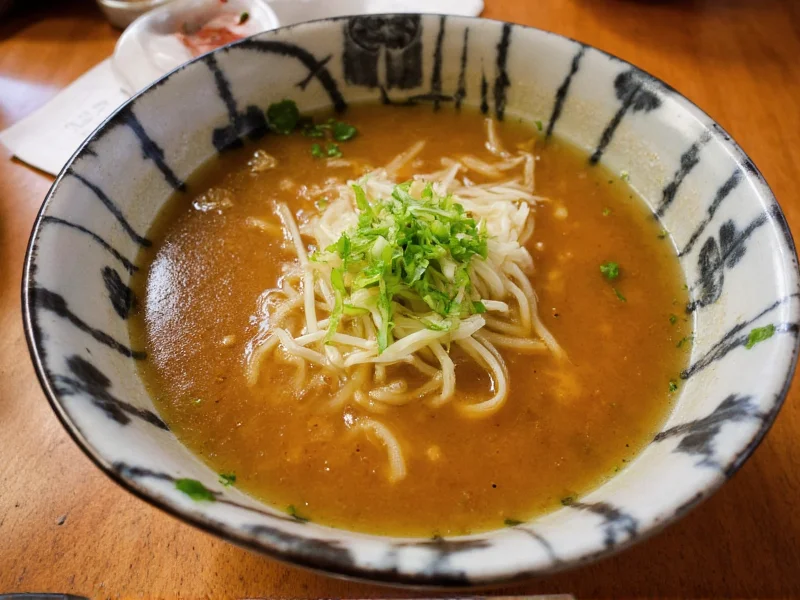
When exploring Japanese culinary traditions, few elements showcase the culture's emphasis on subtlety and precision as effectively as clear soup. Suimono represents one of Japan's most refined soup preparations, distinguished by its transparent appearance and delicate flavor profile. This traditional Japanese clear soup forms an essential component of kaiseki ryori (traditional multi-course meals), where it functions as both a palate cleanser and a showcase of seasonal ingredients.
The Essence of Japanese Clear Soup
Authentic Japanese clear soup begins with a meticulously prepared dashi—a fundamental broth made from kombu (kelp) and katsuobushi (dried bonito flakes). The clarity of the broth separates suimono from other Japanese soups like miso or hearty tonjiru. Chefs achieve this transparency through careful extraction techniques that avoid boiling the dashi, which would cloud the liquid.
Traditional preparation requires patience and precision. The dashi must be strained multiple times through fine cloth to remove any particles. Ingredients added to the soup—typically seasonal vegetables, seafood, or delicate proteins—are cut with surgical precision and added at precise temperatures to maintain the broth's crystal-clear appearance.
| Soup Type | Broth Base | Clarity | Typical Ingredients | Serving Context |
|---|---|---|---|---|
| Suimono (Clear Soup) | Pure dashi | Crystal clear | Seasonal vegetables, seafood, delicate proteins | Kaiseki courses, formal occasions |
| Miso Soup | Dashi + miso paste | Cloudy | Tofu, wakame, green onions | Daily meals, breakfast |
| Tonjiru | Dashi + vegetables | Opaque | Root vegetables, pork, mushrooms | Hearty meals, winter dining |
Cultural Significance and Historical Context
The history of Japanese clear soup traces back to the Muromachi period (1336-1573), evolving alongside the development of kaiseki dining. Originally served in tea ceremonies as a light broth to cleanse the palate, suimono gradually became integral to formal Japanese dining. In traditional kaiseki meals, chefs serve clear soup after the appetizer course and before the main dishes to prepare the palate.
Regional variations reflect Japan's diverse culinary landscape. Kanto-style (Eastern Japan) suimono tends to feature stronger dashi flavors, while Kansai-style (Western Japan) emphasizes subtlety and delicate presentation. Seasonal changes dramatically influence the ingredients—cherry blossoms might flavor spring versions, while matsutake mushrooms define autumn preparations.
Mastering Authentic Preparation Techniques
Creating genuine Japanese clear soup requires understanding several critical techniques that differentiate it from Western consommé or other clear broths. The foundation remains a pristine ichiban dashi (first extraction dashi), made by steeping kombu in room-temperature water for 1-2 hours before gently heating to just below boiling.
Key preparation elements for traditional japanese clear soup recipe include:
- Temperature control: Never boiling the dashi to maintain clarity
- Straining method: Using fine cloth multiple times without pressing ingredients
- Ingredient timing: Adding components at precise temperatures to prevent clouding
- Seasonal harmony: Selecting ingredients that reflect the current season
Many Western attempts at japanese clear soup ingredients miss the mark by oversimplifying the dashi preparation or adding ingredients that compromise the broth's clarity. Authentic preparation respects the delicate balance where minimal intervention yields maximum flavor.
Common Misconceptions About Japanese Clear Soup
Several misunderstandings persist about this refined soup. First, many confuse it with miso soup, but the difference between miso soup and clear soup japanese is fundamental—miso soup contains fermented soybean paste that clouds the broth, while suimono maintains absolute clarity.
Another misconception suggests that clear soup represents a "lighter" or "less flavorful" option. In reality, achieving depth of flavor while maintaining transparency requires exceptional skill. The clarity isn't an end in itself but rather evidence of proper technique. When exploring how to make authentic japanese clear soup, remember that the transparency demonstrates the chef's mastery rather than indicating simplicity.
Experiencing Japanese Clear Soup Properly
To fully appreciate suimono, follow traditional serving protocols. The soup should be served hot but not boiling—typically around 65°C (149°F)—in lidded bowls that preserve aroma. Before drinking, lift the lid to inhale the delicate fragrance, then sip slowly to experience evolving flavors.
In formal settings, clear soup appears early in the meal sequence, often following the sakizuke (appetizer) course. Its purpose extends beyond nourishment; it represents a moment of contemplation and transition between culinary experiences. Understanding what is suimono in japanese cuisine reveals how this seemingly simple soup embodies Japanese aesthetic principles of wabi-sabi (appreciation of imperfection) and ma (negative space).
What is the Japanese name for clear soup?
The Japanese term for clear soup is "suimono" (吸い物), which literally means "sipped thing." It's also sometimes called "osumoi" (お吸い物) in more formal contexts. This distinguishes it from other Japanese soups like miso soup (味噌汁) or hearty vegetable soups (お吸い物).
How is Japanese clear soup different from miso soup?
Japanese clear soup (suimono) differs from miso soup in several key ways. Suimono features a crystal-clear dashi broth without any added paste or clouding ingredients, while miso soup contains fermented soybean paste that gives it its characteristic cloudy appearance and stronger flavor. Suimono serves as a delicate palate cleanser in formal meals, whereas miso soup typically accompanies daily meals as a staple component.
Can I make authentic Japanese clear soup at home?
Yes, you can make authentic Japanese clear soup at home by focusing on proper dashi preparation. Start with high-quality kombu and katsuobushi, steep rather than boil the ingredients, and strain carefully through multiple layers of cheesecloth. The key to maintaining clarity is avoiding boiling temperatures and adding ingredients like sliced mushrooms or seafood at precise temperatures. While professional results require practice, home cooks can create satisfying versions of this traditional japanese clear soup recipe with attention to technique.
What are common ingredients in traditional Japanese clear soup?
Traditional Japanese clear soup ingredients vary seasonally but typically include delicate components that won't cloud the broth. Common additions are thinly sliced mushrooms (shiitake or nameko), small pieces of seafood (like scallops or shrimp), seasonal vegetables cut with precision (such as bamboo shoots or radish), and sometimes a single cherry blossom petal in spring. The broth itself consists solely of meticulously prepared dashi without any additional thickeners or clouding agents.
Frequently Asked Questions
- What is the Japanese name for clear soup?
- The Japanese term for clear soup is "suimono" (吸い物), which literally means "sipped thing." It's also sometimes called "osumoi" (お吸い物) in more formal contexts. This distinguishes it from other Japanese soups like miso soup (味噌汁) or hearty vegetable soups (お吸い物).
- How is Japanese clear soup different from miso soup?
- Japanese clear soup (suimono) differs from miso soup in several key ways. Suimono features a crystal-clear dashi broth without any added paste or clouding ingredients, while miso soup contains fermented soybean paste that gives it its characteristic cloudy appearance and stronger flavor. Suimono serves as a delicate palate cleanser in formal meals, whereas miso soup typically accompanies daily meals as a staple component.
- Can I make authentic Japanese clear soup at home?
- Yes, you can make authentic Japanese clear soup at home by focusing on proper dashi preparation. Start with high-quality kombu and katsuobushi, steep rather than boil the ingredients, and strain carefully through multiple layers of cheesecloth. The key to maintaining clarity is avoiding boiling temperatures and adding ingredients like sliced mushrooms or seafood at precise temperatures. While professional results require practice, home cooks can create satisfying versions of this traditional japanese clear soup recipe with attention to technique.
- What are common ingredients in traditional Japanese clear soup?
- Traditional Japanese clear soup ingredients vary seasonally but typically include delicate components that won't cloud the broth. Common additions are thinly sliced mushrooms (shiitake or nameko), small pieces of seafood (like scallops or shrimp), seasonal vegetables cut with precision (such as bamboo shoots or radish), and sometimes a single cherry blossom petal in spring. The broth itself consists solely of meticulously prepared dashi without any additional thickeners or clouding agents.




 浙公网安备
33010002000092号
浙公网安备
33010002000092号 浙B2-20120091-4