

Nothing completes a batch of freshly baked cinnamon rolls like the perfect icing. While the swirls of cinnamon-sugar filling create that signature flavor, it's the creamy topping that transforms these pastries from good to extraordinary. Whether you're baking for a special occasion or preparing weekend breakfast favorites, mastering cinnamon roll icing ensures your homemade treats rival any bakery version.
Classic Cream Cheese Icing Recipe
This tried-and-true cream cheese icing provides the ideal balance of tangy and sweet that complements cinnamon rolls perfectly. The recipe yields enough for one standard 9x13 inch pan of rolls (typically 12-15 rolls).
| Ingredient | Measurement | Preparation Tip |
|---|---|---|
| Cream cheese | 4 oz (1/2 block) | Full-fat, softened to room temperature |
| Unsalted butter | 1/4 cup (4 tbsp) | Softened to room temperature |
| Powdered sugar | 1 cup | Sifted to prevent lumps |
| Vanilla extract | 1/2 tsp | Pure extract for best flavor |
| Milk or cream | 1-2 tbsp | Adjust for desired consistency |
Step-by-Step Instructions
- Ensure cream cheese and butter are fully softened at room temperature (about 30 minutes out of refrigerator)
- In a medium bowl, beat cream cheese and butter together until completely smooth and no lumps remain
- Gradually add sifted powdered sugar, mixing on low speed to prevent sugar clouds
- Add vanilla extract and 1 tablespoon of milk
- Beat on medium speed for 2-3 minutes until light and fluffy
- If icing is too thick, add additional milk one teaspoon at a time until desired consistency
- Spread or drizzle over warm cinnamon rolls immediately after baking
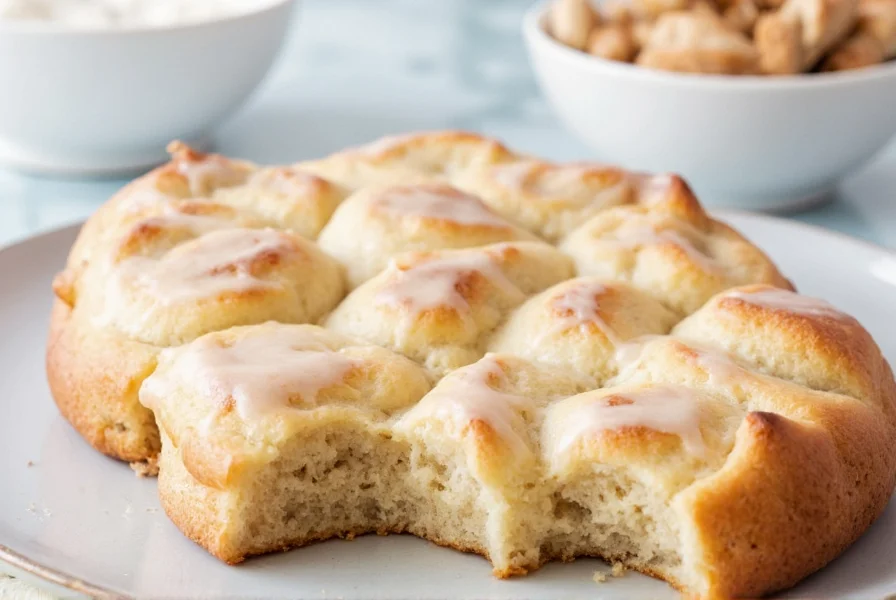
Alternative Icing Options
While cream cheese icing remains the most popular choice, several variations work beautifully with cinnamon rolls depending on your preferences and dietary needs.
Vanilla Glaze (Simple Icing)
This easy cinnamon roll frosting recipe requires just three ingredients and comes together in minutes. Combine 1 cup powdered sugar, 2 tablespoons milk, and 1/2 teaspoon vanilla extract. Whisk until smooth, adding more milk if needed for thinner consistency. This simple homemade cinnamon roll topping works well when you don't have cream cheese on hand.
Vegan Cinnamon Roll Icing
Create a dairy-free version using vegan butter (4 tbsp), vegan cream cheese (4 oz), 1 cup powdered sugar, and 1/2 teaspoon vanilla. Many store-bought powdered sugars contain bone char, so check labels if strict veganism matters to you. This cinnamon roll icing without cream cheese alternative delivers similar texture and flavor.
Troubleshooting Common Icing Problems
Even experienced bakers encounter issues with cinnamon roll icing. Here's how to fix the most common problems:
Icing Too Thin
If your perfect cinnamon roll drizzle recipe results in runny icing, gradually add more powdered sugar (1 tablespoon at a time) until it thickens. Avoid adding too much sugar, which can make the icing overly sweet. For cream cheese icing specifically, chilling the mixture for 10-15 minutes often helps it thicken naturally.
Icing Too Thick
When your thick cinnamon roll icing recipe becomes difficult to spread, add liquid incrementally. For cream cheese icing, use milk or cream; for vanilla glaze, use additional milk or even a small amount of maple syrup for flavor. Add liquid one teaspoon at a time, mixing thoroughly between additions.
Icing Separating
Cream cheese icing sometimes separates if ingredients aren't at proper temperature. Ensure both cream cheese and butter are softened but not melted. If separation occurs, place the bowl in a larger bowl of ice water and beat on low speed until it comes back together.

Pro Tips for Perfect Icing Every Time
- Apply icing to warm (not hot) cinnamon rolls for optimal absorption without melting
- For clean drizzling, use a piping bag or zip-top bag with a small corner cut off
- Add a pinch of salt to balance sweetness in your easy cinnamon roll frosting recipe
- For extra flavor, substitute almond or maple extract for half the vanilla
- Store leftover iced rolls covered at room temperature for up to 2 days
Frequently Asked Questions
Can I make cinnamon roll icing ahead of time?
Yes, you can prepare cream cheese icing up to 24 hours in advance. Store it in an airtight container in the refrigerator, then bring to room temperature and re-whip for 30 seconds before using. Vanilla glaze can be made several days ahead and stored refrigerated, with additional milk added when ready to use if it thickens too much.
Why does my cinnamon roll icing melt immediately?
Icing melts when applied to rolls that are too hot. Allow cinnamon rolls to cool for 5-10 minutes after baking before adding icing. The ideal temperature is warm but not steaming. If using cream cheese icing, ensure your cream cheese and butter weren't melted during preparation, as this causes the icing to lack structure.
How can I make my icing shiny like bakery-style?
For that professional bakery shine, use a higher ratio of liquid to powdered sugar in your vanilla glaze recipe. Try 1 cup powdered sugar to 3 tablespoons milk. The extra liquid creates a thinner consistency that dries with a glossy finish. Avoid this with cream cheese icing, which naturally has a matte finish that's part of its appeal.
Can I freeze cinnamon rolls with icing already applied?
Freezing iced cinnamon rolls isn't recommended as the icing texture changes significantly when frozen and thawed. Instead, freeze un-iced rolls, then bake and add fresh icing when ready to serve. If you must freeze iced rolls, place them in a single layer to freeze solid first, then transfer to an airtight container. Thaw covered at room temperature and expect some texture changes in the icing.
What's the difference between icing and frosting for cinnamon rolls?
Icing typically refers to thinner, pourable mixtures like vanilla glaze that harden slightly when dry. Frosting describes thicker, spreadable mixtures like cream cheese frosting. For cinnamon rolls, both terms are used interchangeably, though cream cheese versions are technically frostings while simple powdered sugar mixtures are true icings. The best cream cheese icing for cinnamon rolls combines elements of both textures.




 浙公网安备
33010002000092号
浙公网安备
33010002000092号 浙B2-20120091-4