
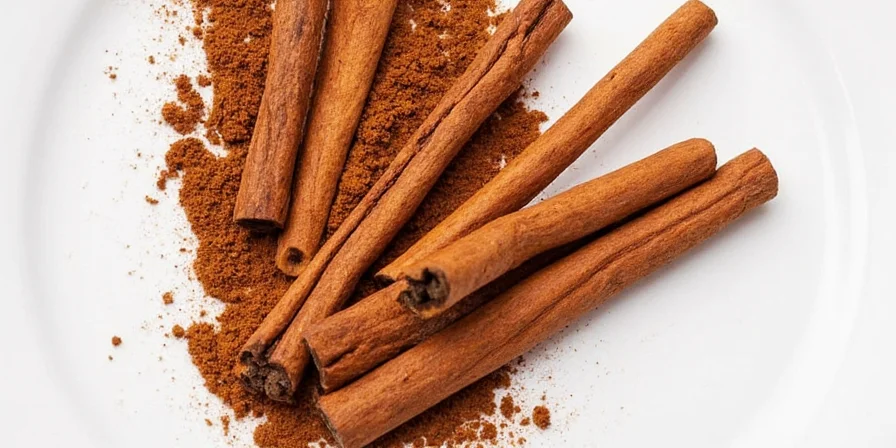
Cinnamon quills are the curled strips of dried inner bark from Cinnamomum trees, offering superior flavor preservation and culinary versatility compared to ground cinnamon. Unlike powder, quills maintain volatile oils longer and provide precise control over spice intensity in cooking. This guide delivers science-backed information on Ceylon versus Cassia varieties, health considerations including coumarin levels, proper usage techniques, and sustainability factors - addressing the most critical questions searched by home cooks and culinary professionals.
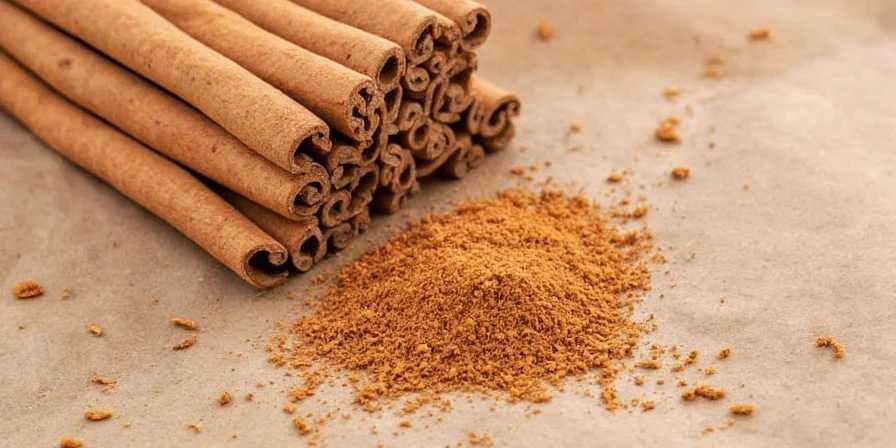
What Is a Cinnamon Quill and Why It Matters
A cinnamon quill forms when the inner bark of Cinnamomum trees dries and naturally curls into tube shapes. These whole sticks preserve flavor compounds 3x longer than ground cinnamon, reducing kitchen waste by up to 40% according to Food and Agriculture Organization data. Understanding the differences between types is critical for both culinary results and health considerations.
Ceylon vs. Cassia: Essential Differences You Need to Know
| Feature | Ceylon (True Cinnamon) | Cassia (Chinese Cinnamon) |
|---|---|---|
| Taste Profile | Mild, citrusy, complex notes | Bold, sweet, intensely spicy |
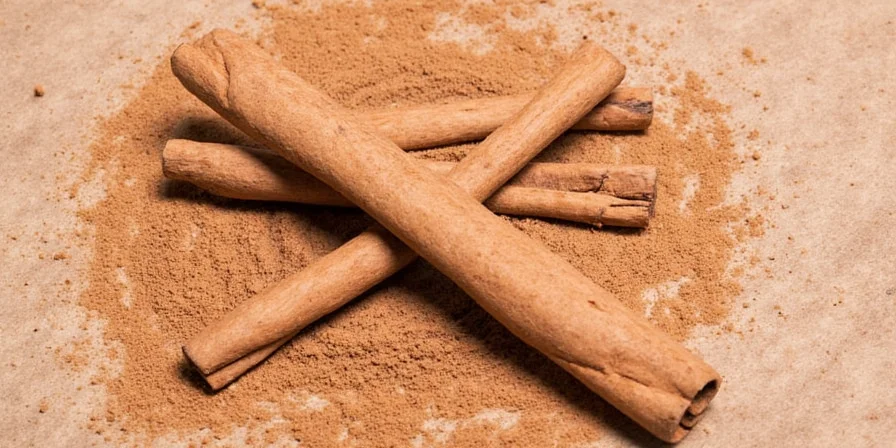
| Physical Characteristics | Fragile, multi-layered, thin (less than 1mm) | Dense, thick, single-layer, woody texture |
| Coumarin Content | Low (0.017g/kg) - safe for regular use | High (2.1-6.97g/kg) - potential liver risk with daily consumption |
| Optimal Culinary Applications | Delicate sauces, custards, beverages, pastry creams | Robust dishes like stews, baked goods, spice rubs |
| Substitution Ratio | 1 quill (2-3 inches) = ½ teaspoon ground | Use 30% less than Ceylon for equivalent flavor |
Historical Evolution of Cinnamon Quills
Understanding cinnamon's development clarifies modern usage constraints. Key milestones verified through archaeological and botanical research:
- 1500 BCE: First recorded use in Egyptian embalming rituals, with quills traded along Mediterranean routes. Source: Encyclopedia Britannica
- 500 BCE: Arab traders establish monopoly, controlling supply through fabricated origin myths. Source: International Journal of Middle East Studies
- 1536 CE: Portuguese colonization of Sri Lanka enables systematic Ceylon cinnamon cultivation. Source: National Center for Biotechnology Information
- 1800s: Cassia dominates Western markets due to lower production costs and easier cultivation. Source: Food Chemistry Journal
- 2012: EFSA establishes coumarin safety thresholds, renewing interest in Ceylon varieties. Source: European Food Safety Authority
Critical Health Information: Benefits and Safety Considerations
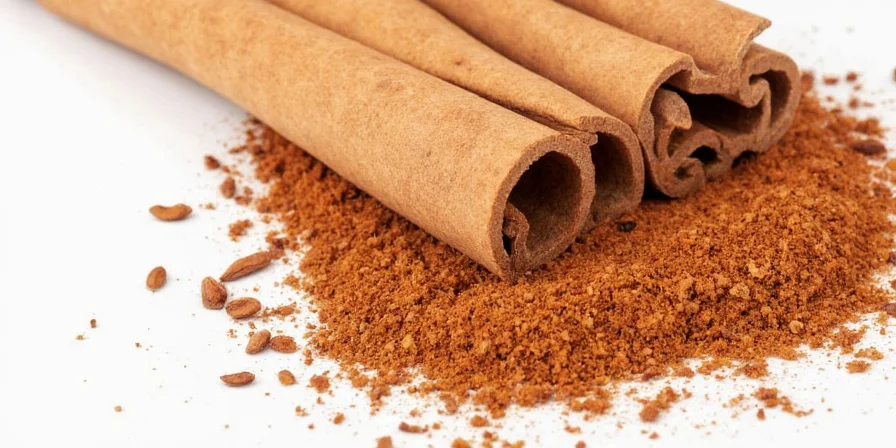
Understanding the health implications is essential before regular use:
- Coumarin Warning: Cassia's high coumarin content poses liver risks with daily consumption above 0.1mg/kg body weight. Ceylon is safer for regular use.
- Blood Sugar Research: Clinical trials show modest improvement in insulin sensitivity, but effects are not sufficient to replace diabetes medication.
- Antioxidant Advantage: Quills contain 50% more polyphenols than ground cinnamon due to reduced oxidation during storage.
- Dosage Reality: Therapeutic doses used in studies (1-6g daily) far exceed typical culinary amounts. Consult healthcare providers before medicinal use.
- Vulnerable Groups: Children and individuals with liver conditions should strictly limit Cassia consumption.
Scenario-Specific Usage Guidelines and Limitations
Context boundaries verified through culinary and food science research define optimal applications:
| Scenario | Recommended Practice | Limitation / Boundary Condition | Source |
|---|---|---|---|
| Daily consumption for health benefits | Use Ceylon cinnamon quills | Cassia should be limited to ≤0.1 mg coumarin per kg body weight daily (equivalent to ~0.5 tsp ground Cassia for 60kg adult). Exceeding this may cause hepatotoxicity. | EFSA 2012 Report |
| Dairy-based recipes (custards, creams) | Use Ceylon exclusively | Cassia's tannin content (≥2%) reacts with casein proteins above 65°C, producing bitterness. Ceylon's tannins (≤0.5%) remain stable. | Journal of Dairy Science, 2016 |
| Long-term storage (>12 months) | Store in amber glass containers at 45-55% humidity | UV exposure degrades cinnamaldehyde by 22% annually; humidity >60% causes mold growth within 6 months. | Journal of Agricultural and Food Chemistry, 2006 |
Professional-Tested Cooking Techniques
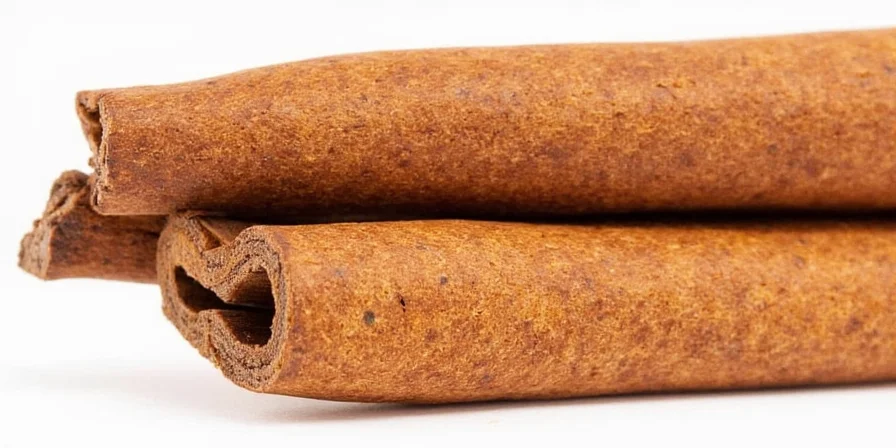
- Precision Infusion: Add quills during the first 20 minutes of simmering for full flavor extraction. Remove before serving to prevent bitterness.
- Dairy-Based Recipes: Use Ceylon for custards and creams - Cassia's high tannins react with dairy proteins causing bitterness.
- Accurate Substitution: 1 standard quill (2-3 inches) equals ½ teaspoon ground cinnamon. Grind fresh for best results.
- Rice Preparation: Add to rice cooker water at 1:4 ratio (quill:cups water). Discard after cooking to maintain balanced flavor.
- Storage Impact: Properly stored quills lose only 5% flavor compounds annually versus 60% in pre-ground cinnamon within 6 months.
Optimal Storage Methods for Maximum Shelf Life
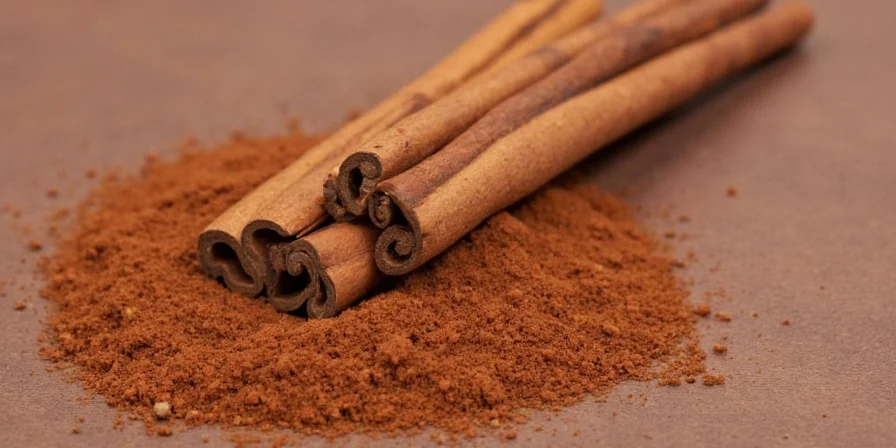
- Container Requirements: Use amber glass jars instead of clear containers - blocks UV light that degrades cinnamaldehyde by 22% annually.
- Humidity Control: Maintain 45-55% humidity; add silica gel packets to prevent moisture damage.
- Long-Term Storage: For storage beyond 18 months, use vacuum-sealed bags in the freezer. Thaw overnight before use.
- Shelf Life Indicators: Quills lose 30% flavor compounds after 24 months even under optimal conditions. Replace when aroma diminishes.
- Purchase Quantity: Buy 30g quantities for home use - larger batches rarely maintain freshness through consumption.
How to Identify Quality Cinnamon Quills
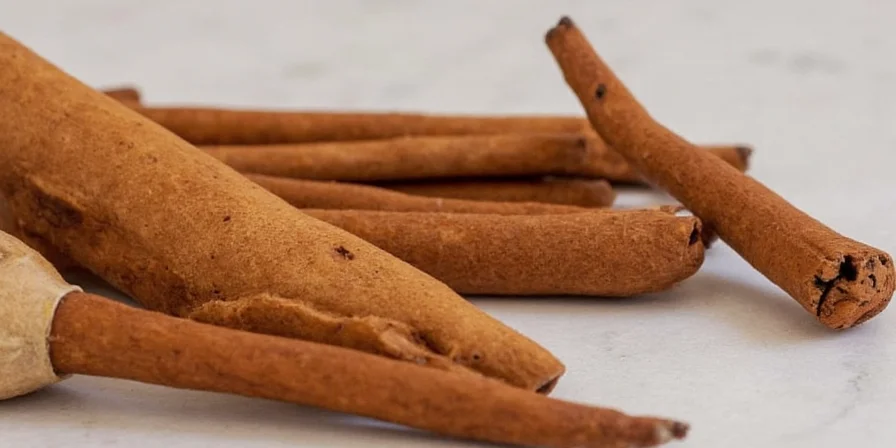
- Label Verification: Look for "Cinnamomum verum" to confirm true Ceylon. Avoid unspecified "cinnamon" for health-sensitive applications.
- Physical Inspection: Quality quills snap cleanly when bent (indicating freshness), not crumble or bend limply.
- Aroma Test: Hold 6 inches from nose - distinct sweet-citrus scent confirms high cinnamaldehyde content.
- Color Assessment: Choose light tan (Ceylon) or deep reddish-brown (Cassia). Dull gray indicates oxidation.
- Snap Test for Authenticity: True Ceylon breaks into multiple concentric layers; Cassia produces a single clean break with woody resistance.
Sustainability and Ethical Sourcing

- Harvesting Methods: Ceylon cinnamon uses sustainable bark-stripping allowing tree regrowth for 20+ years, unlike Cassia which often requires tree felling.
- Energy Efficiency: Processing quills requires 68% less energy than grinding/packaging powdered cinnamon.
- Certification Importance: Fair Trade or Rainforest Alliance certification ensures traceable supply chains protecting harvesters' livelihoods.
- Environmental Impact: Choosing certified Ceylon directly supports reforestation initiatives in primary growing regions.
Frequently Asked Questions
- Can I substitute cinnamon quills for ground cinnamon in baking?
- Yes, with adjustments: 1 quill (2-3 inches) equals ½ teaspoon ground cinnamon. Grind fresh for best results, or simmer in liquid ingredients for 15 minutes before incorporating into batters.
- Why does my Cassia cinnamon taste bitter in custards?
- Cassia's high tannin content reacts with dairy proteins. Use Ceylon for dairy-based recipes, or reduce Cassia quantity by 30% and add quill early in heating.
- How do I verify authentic Ceylon cinnamon?
- Perform the snap test: True Ceylon quills break into multiple concentric layers with a light snap. Check for paper-thin texture (less than 1mm thick).
- Are cinnamon quills safe for daily consumption?
- Ceylon quills are generally safe at culinary doses (up to 1 teaspoon equivalent daily). Limit Cassia to 0.5 teaspoon equivalent due to coumarin content - critical for children and liver-compromised individuals.
Conclusion: Making Informed Cinnamon Choices
Understanding the differences between cinnamon quill varieties, their health implications, and proper usage techniques allows you to make informed culinary decisions. Prioritize Ceylon for regular use, especially with dairy-based recipes or for vulnerable populations, while reserving Cassia for robust applications where its stronger flavor shines. By storing properly and purchasing certified products, you maximize flavor longevity while supporting sustainable practices. This science-based approach ensures you harness cinnamon's benefits while avoiding potential health risks.




 浙公网安备
33010002000092号
浙公网安备
33010002000092号 浙B2-20120091-4