
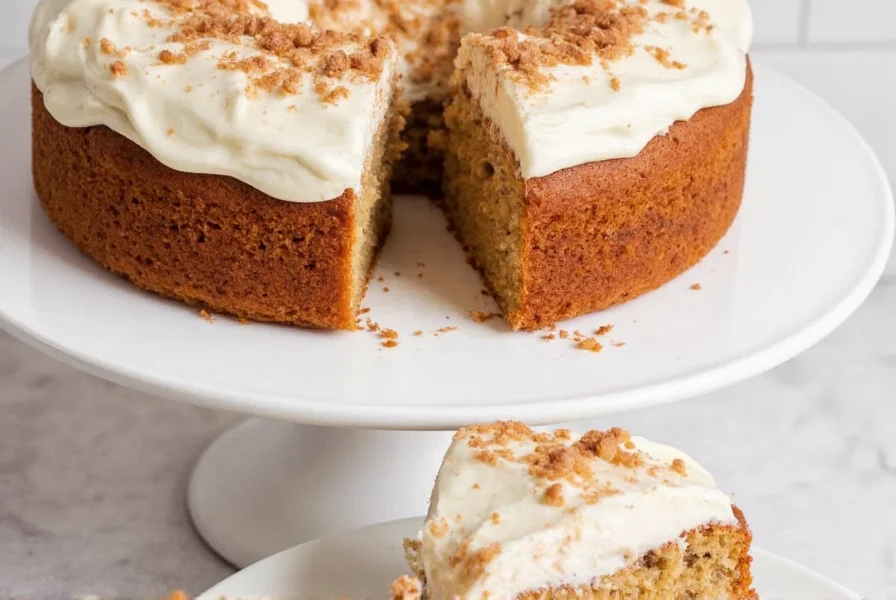
The Timeless Appeal of Cinnamon Cake
Cinnamon cake has delighted palates for centuries, evolving from simple spiced breads to the sophisticated dessert we know today. This comforting treat stands apart from basic spice cakes through its prominent cinnamon flavor that creates a warm, inviting experience with every bite. Unlike cinnamon roll cake hybrids, traditional cinnamon cake integrates the spice directly into the batter for consistent flavor distribution.
Understanding Cinnamon Varieties for Baking
Not all cinnamon delivers the same flavor profile. Understanding these differences is crucial for perfect cinnamon cake results:
| Cinnamon Type | Flavor Profile | Best For Cinnamon Cake |
|---|---|---|
| Ceylon ("True" Cinnamon) | Mild, sweet, complex | Ideal for delicate cakes where subtle spice is preferred |
| Cassia (Common Grocery Store) | Bolder, more intense, slightly bitter | Perfect for robust cinnamon flavor in traditional recipes |
| Saigon | Strongest, sweetest, highest oil content | Excellent for maximum cinnamon impact in swirls or fillings |
Professional bakers often recommend using a combination of Cassia for the base batter and Saigon for swirls or toppings to create layered cinnamon complexity. Always use freshly ground cinnamon for baking—pre-ground spice loses potency within 6 months.
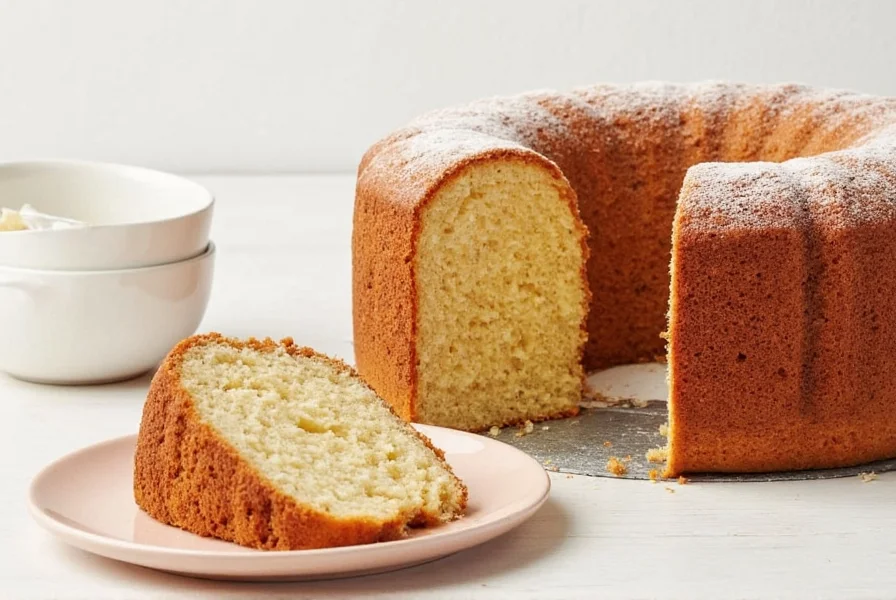
Mastering the Perfect Cinnamon Cake Recipe
The foundation of exceptional cinnamon cake lies in proper ingredient ratios and technique. Many home bakers make the mistake of adding too much cinnamon, which creates bitterness rather than warmth. The ideal ratio is 1½ to 2 teaspoons of cinnamon per cup of flour for standard cake recipes.
Essential Components for Success
- Moisture balance - Buttermilk or sour cream creates tender crumb
- Proper creaming technique - Room temperature butter and sugar beaten 3-5 minutes
- Spice integration - Bloom cinnamon in warm liquid ingredients first
- Temperature control - Bake at precise 350°F (175°C) to prevent spice burning
Step-by-Step Cinnamon Cake Preparation
Follow these professional techniques for flawless cinnamon cake every time:
- Bloom 2 teaspoons of cinnamon in ¼ cup warm buttermilk for 10 minutes
- Cream 1 cup room temperature butter with 1½ cups sugar until light and fluffy
- Add 3 large eggs one at a time, fully incorporating each
- Mix dry ingredients separately: 2¼ cups flour, 2 tsp baking powder, ½ tsp baking soda, ½ tsp salt
- Alternate adding dry ingredients and bloomed cinnamon mixture to batter
- Fold in ½ cup sour cream for added moisture retention
- Pour into prepared pans and bake at 350°F for 28-32 minutes
Popular Cinnamon Cake Variations
Adapt this classic recipe to suit different dietary needs and preferences while maintaining authentic cinnamon flavor:
Gluten-Free Cinnamon Cake
Replace wheat flour with 1:1 gluten-free baking blend and add ½ teaspoon xanthan gum. Increase buttermilk by 2 tablespoons to compensate for GF flour's absorption properties. This gluten free cinnamon cake recipe maintains the same moist texture as traditional versions.
Vegan Cinnamon Cake
Substitute eggs with flax eggs (3 tablespoons ground flaxseed + 9 tablespoons water) and use plant-based butter and milk. For best results in this vegan cinnamon cake, add 1 teaspoon apple cider vinegar to activate baking soda properly.
Troubleshooting Common Cinnamon Cake Problems
Even experienced bakers encounter issues with cinnamon cake. Here's how to solve frequent problems:
Dry or Crumbly Texture
Caused by overbaking, incorrect flour measurement, or insufficient fat content. Always use the spoon-and-level method for flour, set timers 3 minutes early, and never skip the sour cream or buttermilk component in moist cinnamon cake recipes.
Bitter Cinnamon Flavor
Results from using too much cinnamon or old, degraded spice. Stick to the recommended 1½-2 tsp per cup of flour and always use fresh cinnamon. Bloom the spice in warm liquid ingredients to mellow its intensity while enhancing flavor release.
Spice Settling at Bottom
Occurs when dry spices aren't properly incorporated with dry ingredients. Always whisk cinnamon thoroughly with flour and other dry components before adding to wet ingredients. For cinnamon swirl cake recipes, use a thick cinnamon-sugar-butter paste rather than dry mixture.
Serving and Storage Recommendations
Cinnamon cake reaches peak flavor 12-24 hours after baking, allowing spices to fully meld. Store cooled cake in an airtight container at room temperature for up to 3 days. For longer storage, wrap individual slices in plastic wrap and freeze for up to 3 months—thaw at room temperature for best texture.
Pair cinnamon cake with complementary flavors: a dollop of freshly whipped cream, a scoop of vanilla bean ice cream, or a cup of strong coffee enhances the warm spice notes. For special occasions, consider adding a bourbon or rum glaze to create an elevated adult cinnamon cake recipe.
Frequently Asked Questions
What's the difference between cinnamon cake and coffee cake?
While both are often served with coffee, traditional cinnamon cake features cinnamon integrated throughout the batter, whereas coffee cake typically has cinnamon only in the streusel topping or swirl. Cinnamon cake generally has a finer, more uniform crumb compared to the denser texture of most coffee cakes.
Can I use apple pie spice instead of cinnamon in cake recipes?
Yes, but with adjustments. Apple pie spice contains cinnamon plus additional spices like nutmeg and allspice. Use 1¼ teaspoons apple pie spice for every 1 teaspoon of cinnamon called for in your cinnamon cake from scratch recipe to avoid overpowering the delicate flavor balance.
Why does my cinnamon cake sink in the middle?
Sinking typically occurs from underbaking, too much leavening agent, or opening the oven door too early. Ensure your baking powder is fresh (replace every 6 months), measure carefully, and avoid opening the oven during the first 25 minutes of baking for your homemade cinnamon cake.
How can I make my cinnamon cake more moist?
Add ½ cup sour cream or Greek yogurt to your batter, replace some liquid with applesauce, or brush finished cake with simple syrup. For long-lasting moisture in easy cinnamon cake recipes, always include buttermilk and avoid overmixing once flour is added.
What's the best way to store cinnamon cake overnight?
Cool completely, then store in an airtight container at room temperature. Place parchment paper between layers if stacking. Never refrigerate unfrosted cinnamon cake as cold temperatures accelerate staling. For frosted cakes, chill uncovered for 20 minutes to set frosting, then cover loosely.




 浙公网安备
33010002000092号
浙公网安备
33010002000092号 浙B2-20120091-4