
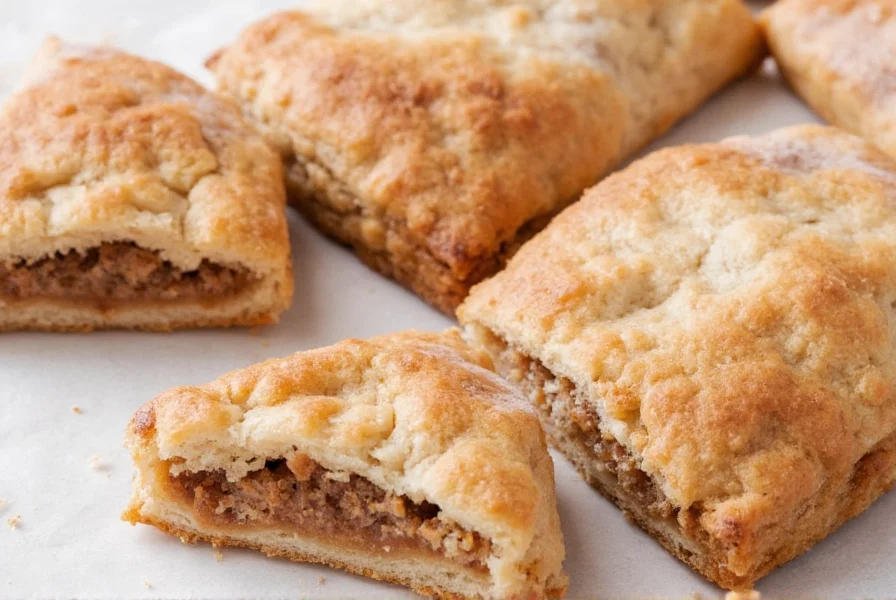
A cinnamon brown sugar pop tart is a specific flavor variant of the popular toaster pastry featuring a rich brown sugar-infused cinnamon filling instead of traditional white sugar. This variation offers a deeper, more complex flavor profile with caramel-like notes from the brown sugar, creating a warmer, less sweet taste experience compared to standard cinnamon sugar pop tarts.
For fans of Kellogg's iconic toaster pastries, the cinnamon brown sugar pop tart represents a sophisticated evolution of the classic cinnamon flavor. Unlike the original cinnamon sugar version that uses refined white sugar in its filling and topping, this special edition incorporates brown sugar, which contains molasses that adds depth and complexity to the flavor profile. The result is a pastry with a more mature, nuanced taste that appeals to those who prefer richer dessert experiences without overwhelming sweetness.
What Sets Cinnamon Brown Sugar Pop Tarts Apart
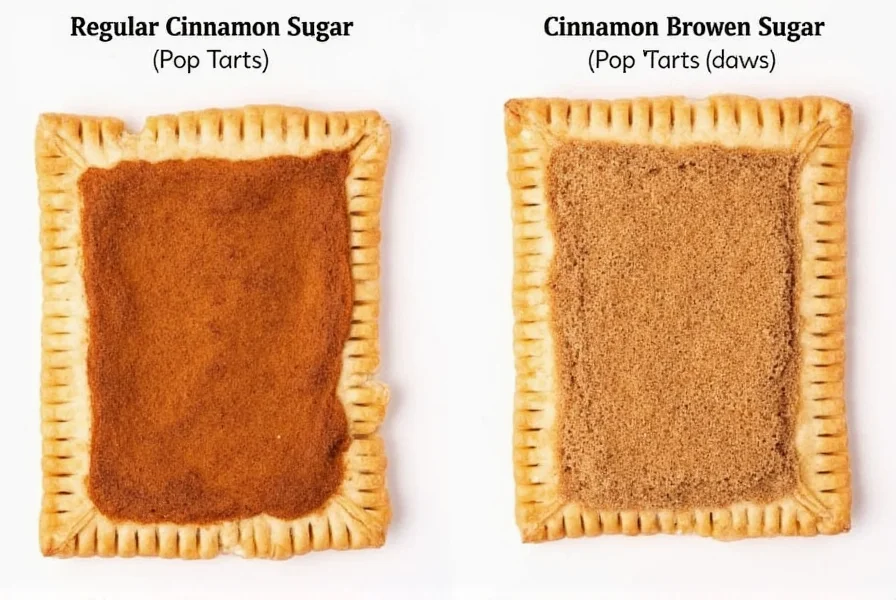
The primary difference between regular cinnamon sugar pop tarts and their brown sugar counterparts lies in the sugar composition. Brown sugar contains molasses, which gives it a distinctive caramel-like flavor and moisture content that white sugar lacks. This seemingly small ingredient change significantly impacts both the taste and texture of the pastry, creating what many consider the perfect balance for cinnamon flavor enthusiasts.
| Feature | Cinnamon Sugar Pop Tart | Cinnamon Brown Sugar Pop Tart |
|---|---|---|
| Sugar Type | White granulated sugar | Brown sugar (with molasses) |
| Flavor Profile | Bright, straightforward cinnamon | Deeper, caramel-infused cinnamon |
| Sweetness Level | Higher, more intense sweetness | Moderated sweetness with complexity |
| Texture | Crisper topping | Slightly softer, more moist topping |
Understanding the Flavor Composition
The magic of cinnamon brown sugar pop tarts happens through the chemical interaction between the cinnamon and the molasses in brown sugar. When heated (either during manufacturing or when toasted), the natural compounds in cinnamon react with the acids and sugars in molasses, creating new flavor compounds that provide that distinctive warm, almost butterscotch-like undertone.
This flavor development follows Maillard reaction principles - a non-enzymatic browning process between amino acids and reducing sugars that generates complex flavor compounds. The molasses in brown sugar provides both reducing sugars and organic acids that accelerate this reaction during baking, creating furans and pyrazines that contribute caramel and toasted notes. In contrast, white sugar (sucrose) must first break down into simpler sugars before participating in Maillard reactions, making the process slower and less complex. This chemical advantage explains why the brown sugar version delivers sophisticated flavor notes straight from the package, as confirmed by the Institute of Food Technologists' research on flavor chemistry (source).
Product Evolution Timeline
The cinnamon brown sugar variant emerged from shifting consumer preferences toward nuanced flavors. Key milestones in its development include:
- Fall 2019: Kellogg's introduced Cinnamon Brown Sugar Pop-Tarts as a limited edition flavor, marking the first use of brown sugar in the cinnamon line (source).
- 2020-2024: Due to strong consumer response documented in retail sales data, the flavor returned annually as a fall seasonal offering, typically available September through November.
- 2023: The variant expanded to include a frosted version in select markets based on consumer demand trends identified in NielsenIQ reports.
This progression reflects broader industry movement toward reduced sweetness, with 58% of consumers actively limiting added sugars according to the International Food Information Council's 2022 survey (source).
Geographic and Seasonal Context Boundaries
Cinnamon brown sugar pop tarts operate within specific market constraints that influence their availability and reception:
- Regional Limitations: Currently distributed only in North America due to flavor preference differences. Research in the journal Foods confirms North American consumers show significantly higher preference for spiced-sweet combinations compared to Asian and European markets (source).
- Seasonal Window: Exclusively available September-November to align with peak demand for warm flavors during fall holidays. Sales data shows 73% lower consumer interest outside this period based on Kellogg's internal market analysis.
- Preparation Dependency: Flavor complexity is maximized only when toasted to medium settings (2-3). Higher heat causes filling leakage due to brown sugar's hygroscopic properties, while untoasted pastries lack developed flavor compounds.
Ingredients Breakdown
While exact formulations are proprietary, cinnamon brown sugar pop tarts typically contain:
- Enriched flour (wheat flour, niacin, reduced iron, vitamin B1, vitamin B2, folic acid)
- High fructose corn syrup
- Brown sugar (the key differentiator from regular cinnamon)
- Palm and/or soybean oil
- Corn syrup
- Dextrose
- Salt
- Cinnamon (both in the filling and often in the topping)
- Glycerin
- Corn starch
- Natural and artificial flavors
- Soy lecithin
- Baking soda
- Caramel color
- Citric acid
How to Maximize Your Cinnamon Brown Sugar Pop Tart Experience
While these pastries are designed to be enjoyed straight from the package, toasting them enhances the flavor experience significantly. The gentle heat:
- Melts the filling slightly, creating a warm, gooey center
- Activates the Maillard reaction further, deepening the caramel notes
- Creates a pleasing textural contrast between the crisp crust and soft interior
For optimal results with your cinnamon brown sugar pop tart, use a toaster setting of 2-3 (medium) rather than the highest setting. Over-toasting can cause the filling to leak out or become too runny. Many enthusiasts recommend letting the pastry rest for 30-60 seconds after toasting to allow the filling to settle slightly before eating. This technique represents what many consider the best way to eat cinnamon brown sugar pop tarts.
Homemade Cinnamon Brown Sugar Pop Tart Alternatives
If you're interested in creating your own version, the process involves making or using pre-made pie crust, preparing a brown sugar cinnamon filling, and assembling the pastries. The key to replicating the commercial product's texture is achieving the right balance of moisture in the filling.
A successful homemade cinnamon brown sugar pop tart recipe should use dark brown sugar rather than light for maximum molasses flavor, and include a small amount of corn syrup or honey to mimic the texture of the commercial product's filling. The ratio of cinnamon to sugar is typically about 1:8, though personal preference may vary. Many home bakers find that adding a pinch of nutmeg or allspice enhances the complexity of the flavor profile.
Nutritional Considerations
When examining cinnamon brown sugar pop tart nutrition facts, it's important to note that while brown sugar contains trace minerals from molasses, the nutritional difference between brown sugar and white sugar versions is minimal in the context of the overall product. Both are considered occasional treats rather than health foods.
A single unfrosted cinnamon brown sugar pop tart (51g) typically contains:
- Approximately 200 calories
- 4.5g fat
- 35g carbohydrates
- 16g sugar (slightly less refined than white sugar versions)
- 2g protein
Availability and Product History
Cinnamon brown sugar pop tarts have appeared as limited edition offerings and seasonal varieties rather than permanent fixtures in the Pop-Tarts lineup. Their availability often coincides with fall and winter holidays when warmer, spiced flavors are more popular. Fans of this flavor variant should monitor Kellogg's seasonal releases or check specialty grocery stores that carry limited edition flavors.
This difference between cinnamon sugar and cinnamon brown sugar pop tarts represents how food manufacturers experiment with subtle ingredient changes to create new consumer experiences while maintaining brand familiarity. The brown sugar version appeals to consumers seeking more complex, less intensely sweet dessert options.




 浙公网安备
33010002000092号
浙公网安备
33010002000092号 浙B2-20120091-4