
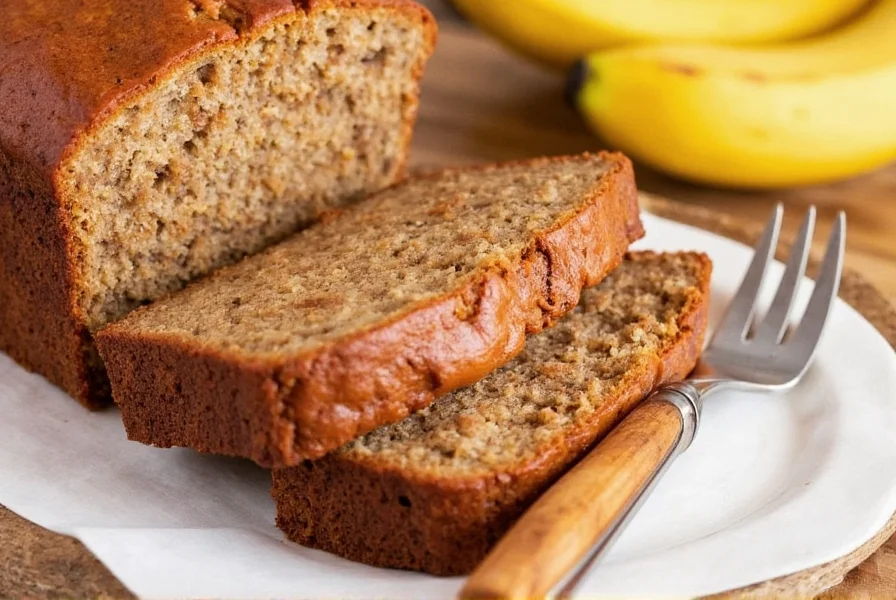
The best cinnamon banana bread recipe combines 3 ripe bananas (about 1½ cups mashed), 1½ cups all-purpose flour, 1 teaspoon baking soda, ½ teaspoon salt, ½ cup melted butter, ¾ cup brown sugar, 2 eggs, 1 teaspoon vanilla extract, and 1½ teaspoons ground cinnamon. Bake at 350°F (175°C) for 55-65 minutes in a greased 9x5-inch loaf pan. This moist, aromatic bread delivers perfect spice-banana balance with a golden crust and tender crumb.
There's nothing quite like the comforting aroma of cinnamon banana bread filling your kitchen. This beloved classic gets an aromatic upgrade with warm cinnamon that perfectly complements the natural sweetness of ripe bananas. Whether you're using up overripe bananas or craving a nostalgic treat, this recipe delivers consistently moist, flavorful results every time.
Why Cinnamon Elevates Banana Bread
Cinnamon isn't just a complementary spice—it transforms banana bread through chemical synergy. The cinnamaldehyde in cinnamon interacts with the natural sugars in bananas, creating new flavor compounds during baking that enhance both ingredients. This easy cinnamon banana bread recipe uses the optimal 1½ teaspoon ratio—enough to add warmth without overpowering the banana flavor.
When selecting cinnamon, opt for Ceylon variety for its delicate, complex notes, though common Cassia works well too. Freshly ground cinnamon from whole sticks provides noticeably brighter flavor than pre-ground powder, making a significant difference in your homemade cinnamon banana bread.
Ingredient Selection Guide for Perfect Results
The quality of your ingredients directly impacts your final loaf. Here's what to look for:
| Ingredient | Selection Tips | Why It Matters |
|---|---|---|
| Bananas | Choose speckled brown bananas | Maximum sweetness and moisture content |
| Butter | Unsalted, European-style (82% fat) | Richer flavor and better texture |
| Flour | All-purpose, spooned and leveled | Prevents dense, dry bread |
| Sugar | Dark brown sugar | Molasses enhances moisture and flavor |
Many home bakers wonder whether to use baking powder or baking soda—this moist cinnamon banana bread relies on baking soda alone, which reacts with the bananas' natural acidity for optimal rise without metallic aftertaste.
Step-by-Step Baking Instructions
Follow these precise steps for foolproof results:
- Prepare bananas: Mash 3 ripe bananas (1½ cups) with a fork—small chunks add texture
- Mix dry ingredients: Whisk 1½ cups flour, 1½ tsp cinnamon, 1 tsp baking soda, and ½ tsp salt
- Cream wet ingredients: Beat ½ cup melted butter, ¾ cup brown sugar, 2 eggs, and 1 tsp vanilla until smooth
- Combine: Gently fold dry ingredients into wet mixture, then add mashed bananas
- Bake: Pour into greased 9x5-inch loaf pan, bake at 350°F for 55-65 minutes until toothpick comes clean
- Cool: Rest in pan 10 minutes, then transfer to wire rack
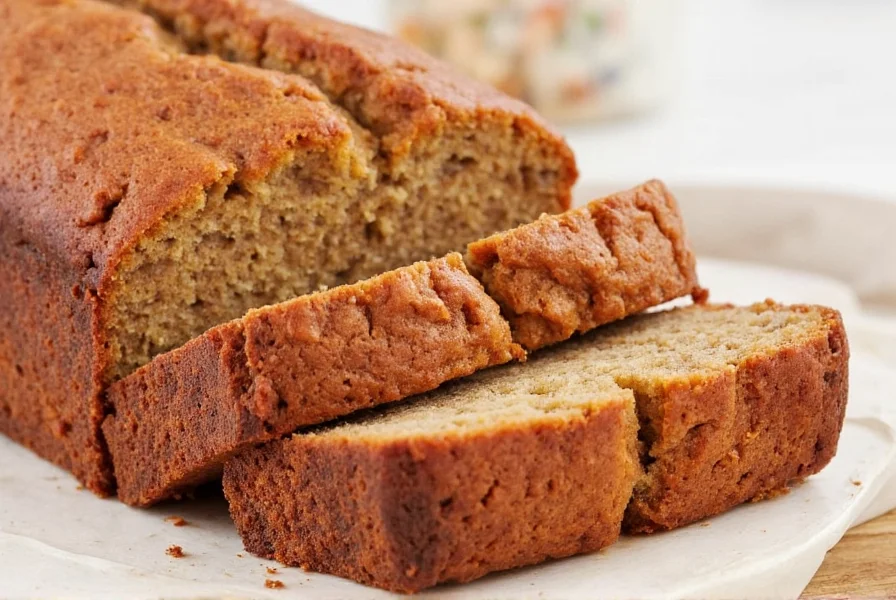
Avoiding Common Banana Bread Mistakes
Even experienced bakers encounter issues with banana bread. Here's how to prevent the most frequent problems:
- Dry texture: Overmixing develops gluten—stir until just combined. Measure flour properly by spooning into cup then leveling
- Sunken center: Oven temperature too low—use an oven thermometer. Don't open oven during first 40 minutes
- Bitter taste: Expired baking soda—replace every 6 months. Never substitute baking powder 1:1
- Uneven baking: Rotate pan halfway through baking time for even heat distribution
Delicious Variations to Try
Once you've mastered the cinnamon banana bread with ripe bananas, experiment with these popular adaptations:
- Streusel topping: Mix ¼ cup flour, ¼ cup brown sugar, 2 tbsp cold butter, and ½ tsp cinnamon for a crunchy finish
- Nutty version: Fold in ½ cup toasted walnuts or pecans for added texture
- Gluten-free: Substitute 1:1 gluten-free flour blend and add ½ tsp xanthan gum
- Vegan: Replace eggs with ¼ cup unsweetened applesauce each and use coconut oil
Serving and Storage Tips
For best flavor, let your cinnamon banana bread cool completely before slicing—this allows the crumb structure to set. Store wrapped in plastic at room temperature for up to 4 days, or freeze slices for up to 3 months. Reheat individual portions in the microwave for 15 seconds for that fresh-baked experience.
Pair with coffee or tea for breakfast, or serve warm with a scoop of vanilla ice cream for dessert. The natural sweetness means it rarely needs additional butter, though a light smear of honey butter enhances the cinnamon banana bread baking tips experience.
Can I use green bananas for cinnamon banana bread?
No, green bananas lack sufficient natural sugars and moisture. For the best cinnamon banana bread recipe results, use bananas with brown speckles—they're at peak sweetness and softness. Extremely black bananas work well too, just remove any grayish sections.
Why did my banana bread collapse in the center?
Center collapse usually indicates underbaking or too much leavening. Ensure your baking soda is fresh and measure precisely. Insert a toothpick into the deepest part—it should come out with moist crumbs, not wet batter. Also verify your oven temperature with a separate thermometer.
How can I make my cinnamon banana bread more moist?
For ultra-moist cinnamon banana bread, increase banana content by ¼ cup, substitute buttermilk for 2 tablespoons of the butter, or add 2 tablespoons of sour cream. Avoid overbaking—check at 50 minutes. Proper cooling in the pan for 10 minutes before transfer also preserves moisture.
Can I reduce the sugar in this recipe?
You can reduce sugar to ½ cup, but this affects both sweetness and texture. Sugar helps retain moisture and aids browning. If reducing, add 1-2 tablespoons of honey or maple syrup to compensate for lost moisture. The bread will be less sweet but still delicious with your cinnamon banana bread recipe.




 浙公网安备
33010002000092号
浙公网安备
33010002000092号 浙B2-20120091-4