
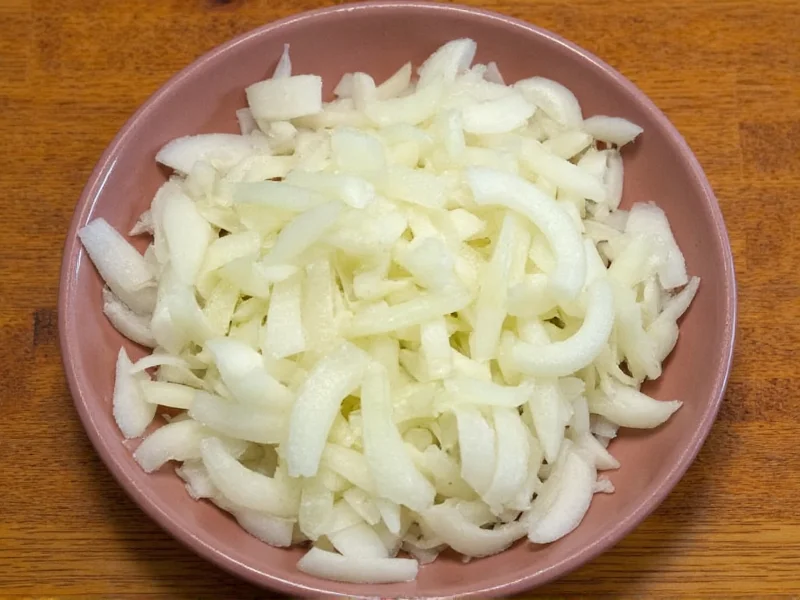
Understanding chopped dried onion equivalents is essential for successful cooking when fresh onions aren't available or practical. Dried onion products offer convenience and extended shelf life while maintaining much of the flavor profile of fresh onions. This guide provides accurate conversion measurements and practical substitution advice for home cooks and professional chefs alike.
Understanding Dried Onion Products
Dried onions come in several forms, each with distinct characteristics and conversion ratios. The most common varieties include:
- Chopped dried onions - Small, dehydrated pieces that rehydrate well
- Onion flakes - Larger, flatter pieces that retain more texture
- Onion powder - Finely ground for intense flavor concentration
- Freeze-dried onions - Preserves more original flavor and structure
Precise Conversion Measurements
Accurate measurement conversion is critical for maintaining recipe balance. The following table provides exact equivalents for common cooking scenarios:
| Dried Onion Form | Equivalent to 1/4 Cup Fresh Minced Onion | Rehydration Ratio | Best Used In |
|---|---|---|---|
| Chopped dried onions | 1 tablespoon | 1:3 (dried:water) | Soups, stews, casseroles |
| Onion flakes | 2 tablespoons | 1:2 (dried:water) | Meatloaf, burgers, roasted dishes |
| Onion powder | 1 teaspoon | Not typically rehydrated | Dry rubs, spice blends, sauces |
| Freeze-dried onions | 3 tablespoons | 1:2.5 (dried:water) | Recipes requiring texture retention |
Practical Substitution Guidelines
When substituting dried for fresh onions, consider these professional cooking tips:
For rehydrating chopped dried onions, combine 1 part dried onions with 3 parts warm water and let sit for 15-20 minutes until fully plumped. Drain excess liquid if necessary before adding to your recipe. This chopped dried onion to fresh onion conversion works best in moist cooking environments like soups and stews.
Onion powder substitute for fresh onions requires careful measurement due to its concentrated flavor. Use 1 teaspoon of onion powder for every 1/4 cup of fresh minced onions, but reduce other liquids in the recipe by 1-2 tablespoons to compensate for the powder's absorption.
When using dried onion flakes equivalent to fresh onion measurements, remember that flakes take longer to rehydrate than finely chopped varieties. Add them earlier in the cooking process or pre-soak for 10 minutes in broth for better flavor integration.
Common Mistakes to Avoid
Many home cooks make these errors when substituting dried for fresh onions:
- Using equal volumes without conversion (dried onions are more concentrated)
- Not adjusting liquid content when using powdered forms
- Adding dried onions too late in the cooking process
- Using salted dried onion products in recipes that already contain salt
- Expecting identical texture to fresh onions
For the best substitute for chopped dried onions in raw applications like salads or salsas, consider using shallots or reconstituted freeze-dried onions rather than standard dried varieties, as they provide a milder flavor profile closer to fresh.
Storage and Shelf Life Considerations
Proper storage significantly impacts the quality and effectiveness of dried onion products. Store in airtight containers away from light and moisture. Properly stored:
- Chopped dried onions maintain quality for 12-18 months
- Onion flakes last 18-24 months
- Onion powder remains potent for 2-3 years
- Freeze-dried onions can last up to 25 years in ideal conditions
Always check for off odors or discoloration before use, as degraded dried onions will not provide accurate dried minced onion measurement equivalents in your recipes.
Recipe-Specific Recommendations
Different cooking applications benefit from specific dried onion forms:
- Baking: Use onion powder for even distribution in breads and biscuits
- Grilling: Onion flakes work best in dry rubs for meats
- Sauces: Chopped dried onions rehydrate well in liquid-based sauces
- Emergency cooking: Keep freeze-dried onions for situations requiring quick preparation
Understanding these nuances ensures your cooking with dried onion alternatives produces results comparable to fresh ingredients.




 浙公网安备
33010002000092号
浙公网安备
33010002000092号 浙B2-20120091-4