
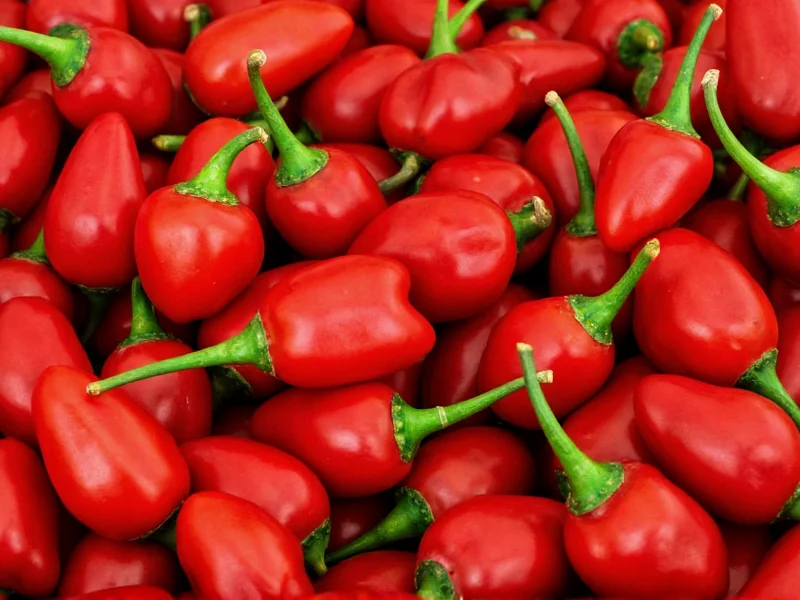
Understanding chipotle pepper Scoville units helps home cooks and culinary professionals gauge their heat intensity for recipe development. Unlike fresh jalapeños which range from 2,500-8,000 SHU, chipotles maintain this same heat spectrum despite the smoking process that transforms them from green jalapeños to dried, smoked red peppers.
What Are Chipotle Peppers?
Chipotle peppers are ripe red jalapeños that have been smoke-dried. The word "chipotle" comes from the Náhuatl language, meaning "smoked chili." This preservation method originated with the Aztecs and remains popular today for adding complex flavor to dishes. The smoking process doesn't significantly alter the capsaicin content responsible for heat, which explains why chipotle pepper Scoville units remain comparable to fresh jalapeños.
Understanding the Scoville Scale for Chipotles
The Scoville scale measures chili pepper heat by determining capsaicin concentration. Developed by Wilbur Scoville in 1912, this measurement system remains the standard for quantifying pepper heat. Chipotle peppers fall in the medium range of the scale, making them accessible to most palates while still providing noticeable heat.
| Pepper Type | Scoville Heat Units (SHU) | Heat Level |
|---|---|---|
| Chipotle Pepper | 2,500-8,000 | Medium |
| Fresh Jalapeño | 2,500-8,000 | Medium |
| Serrano Pepper | 10,000-23,000 | Medium-Hot |
| Habanero Pepper | 100,000-350,000 | Very Hot |
| Bell Pepper | 0 | Mild |
Factors Affecting Chipotle Pepper Heat Levels
Several variables influence the actual heat you experience when using chipotle peppers:
- Growing conditions: Soil quality, climate, and water stress can increase capsaicin production
- Ripeness at harvest: Fully ripe red jalapeños used for chipotles tend to be hotter than green ones
- Individual pepper variation: Even within the same batch, heat can differ significantly
- Preparation method: Removing seeds and membranes reduces heat substantially
When comparing chipotle vs regular jalapeño Scoville measurements, remember that the drying process concentrates flavors but doesn't inherently increase capsaicin levels. The perception of increased heat sometimes comes from concentrated flavor in smaller quantities.
Practical Applications in Cooking
Knowing chipotle pepper heat level compared to jalapeño helps determine appropriate usage in recipes. The smoky flavor profile makes chipotles particularly valuable in:
- Moist cooking environments like stews and braises where smoke flavor penetrates deeply
- Adobos and marinades where the pepper's flavor can infuse ingredients
- Blended sauces where texture isn't a concern
- Meat rubs where the smokiness complements grilled foods
For those sensitive to heat, rehydrating chipotles in warm water before use can reduce their intensity. The adobo sauce commonly packed with canned chipotles contains vinegar and spices that balance the heat, making it milder than dried chipotles used alone.
Safety Considerations When Handling Chipotles
Despite their medium heat rating on the Scoville scale, chipotle peppers can still cause discomfort if mishandled:
- Always wear gloves when handling dried chipotles or working with concentrated forms
- Avoid touching your face, especially eyes, after handling
- Wash hands thoroughly with soap after preparation
- Start with small amounts in recipes and adjust to taste
Understanding how hot chipotle peppers are in Scoville units helps prevent over-seasoning. Remember that dried peppers deliver more concentrated heat per volume than fresh peppers, so adjust measurements accordingly when substituting.
Common Misconceptions About Chipotle Heat
Several myths persist about chipotle pepper Scoville scale ratings:
- Myth: Smoking increases pepper heat
Reality: The smoking process preserves but doesn't enhance capsaicin levels - Myth: All chipotles have identical heat
Reality: Significant variation exists between peppers and batches - Myth: Darker chipotles are always hotter
Reality: Color relates more to smoking duration than heat level
When working with chipotle pepper heat measurement in recipes, treat each batch as potentially different and taste as you go. The complex flavor profile often matters more than the precise heat level in culinary applications.
Conclusion
Chipotle peppers' Scoville rating of 2,500-8,000 SHU places them firmly in the medium heat category, comparable to fresh jalapeños but with distinctive smoky complexity. This versatile pepper works well for those seeking noticeable heat without overwhelming spice, making it accessible for most palates while adding depth to dishes. Understanding chipotle pepper Scoville units helps cooks balance heat and flavor effectively in various culinary applications.
Frequently Asked Questions
How does chipotle pepper heat compare to regular jalapeños?
Chipotle peppers and fresh jalapeños share nearly identical Scoville ratings (2,500-8,000 SHU) since chipotles are simply smoke-dried jalapeños. The heat level remains comparable, though the drying process concentrates flavors, which some perceive as slightly more intense. The primary difference is the smoky flavor profile developed during smoking rather than a significant heat increase.
Are chipotle peppers hotter than regular jalapeños?
No, chipotle peppers aren't inherently hotter than fresh jalapeños. Both measure between 2,500-8,000 Scoville units. The misconception that chipotles are hotter comes from their concentrated form (dried versus fresh) and the smoky flavor that can enhance the perception of heat. When rehydrated, their heat level matches fresh jalapeños used to make them.
How can I reduce the heat of chipotle peppers in recipes?
To reduce chipotle pepper heat, remove the seeds and inner membranes where most capsaicin concentrates. Soaking dried chipotles in warm water or milk before use can also extract some capsaicin. When using canned chipotles in adobo sauce, rinse them first to remove excess sauce that contains additional spices. Start with half a pepper, taste your dish, and gradually add more until you reach your desired heat level.
What's the difference between chipotle powder and whole chipotle peppers?
Chipotle powder is made from ground whole chipotle peppers, so they share the same 2,500-8,000 Scoville heat range. The main difference is concentration - a teaspoon of powder equals approximately one whole pepper. Powder distributes heat more evenly throughout dishes, while whole peppers provide concentrated pockets of flavor. Powder works better for dry rubs, while whole peppers excel in moist cooking environments where they can rehydrate.




 浙公网安备
33010002000092号
浙公网安备
33010002000092号 浙B2-20120091-4