
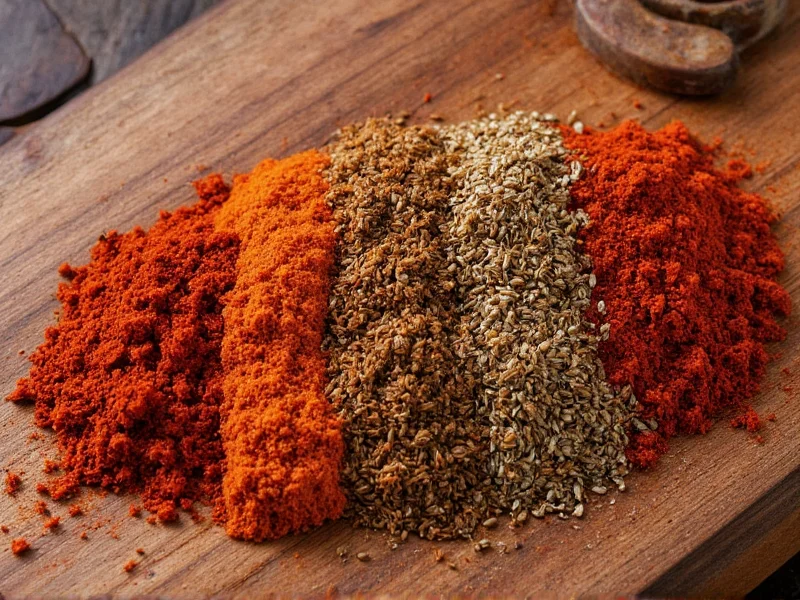
Understanding Chipotle's meat spice levels helps customers make informed choices based on their heat tolerance. While Chipotle doesn't publish official Scoville ratings for their proteins, years of customer feedback and ingredient analysis reveal consistent patterns in spiciness across their menu offerings.
Chipotle Meat Options and Their Flavor Profiles
Chipotle Mexican Grill offers four primary meat options, each prepared with distinctive seasoning blends that create unique flavor experiences. The spice levels stem primarily from chipotle peppers in adobo sauce, a smoked jalapeño puree that provides both heat and smoky depth. Understanding these base profiles helps explain why certain meats register as spicier than others.
Detailed Spice Level Analysis by Protein
Chipotle's preparation methods create a natural spice hierarchy across their protein options. The following breakdown examines each meat's specific ingredients and resulting heat level:
| Meat Option | Primary Spicy Ingredients | Spice Level | Flavor Notes |
|---|---|---|---|
| Carnitas | None (minimal seasoning) | Mild (1/10) | Rich pork flavor with citrus notes, virtually no heat |
| Steak | Minimal chipotle seasoning | Mild (2/10) | Beef-forward with subtle smokiness, barely perceptible heat |
| Chicken | Moderate chipotle peppers in adobo | Medium (4-5/10) | Balanced smoky heat with noticeable but manageable warmth |
| Barbacoa | Generous chipotle peppers in adobo | Medium-Hot (6-7/10) | Pronounced smoky heat with lingering warmth, most spicy protein |
What Creates the Spice in Chipotle Meats?
The primary source of heat across Chipotle's menu comes from chipotle peppers in adobo sauce – smoked jalapeños preserved in a tangy, tomato-based sauce. This ingredient appears in varying concentrations across their meat preparations. Contrary to common misconceptions, Chipotle's base meat preparations don't contain fresh jalapeños, habaneros, or other raw peppers. The adobo sauce provides both the heat and distinctive smoky flavor that characterizes their spiciest proteins.
Barbacoa contains the highest concentration of adobo sauce, giving it that signature medium-hot kick that many customers recognize. Chicken preparation includes a moderate amount, creating a noticeable but not overwhelming heat. Steak receives minimal seasoning with this sauce, while carnitas relies primarily on orange and lime juices for flavor without significant spicy elements.
Customizing Your Spice Experience
Chipotle's build-your-own format allows customers to adjust spice levels beyond the base meat preparation. Understanding how to navigate their salsa and topping options helps tailor the heat to personal preference:
- For milder experiences: Choose carnitas or steak as your protein base, pair with mild salsa options, and avoid spicy toppings
- For moderate heat: Select chicken with tomato or mild salsa verde, adding just a touch of spicy elements
- For maximum heat: Start with barbacoa, add hot salsa, and include extra spicy toppings like jalapeño slices
Many customers don't realize they can request proteins prepared with less adobo sauce. While not advertised, most Chipotle locations will accommodate requests for "less spicy" preparation if specifically asked during ordering.
Common Misconceptions About Chipotle Spice Levels
Several myths persist about Chipotle's spice profiles that deserve clarification. First, none of Chipotle's standard meat preparations contain actual jalapeño peppers – the heat comes exclusively from the processed chipotle peppers in adobo sauce. Second, regional variations in spice perception often stem from individual store preparation methods rather than corporate recipe changes.
Another frequent misunderstanding involves the difference between "spicy" and "hot." Chipotle's spiciest proteins deliver more smoky depth than outright heat. The barbacoa's 6-7/10 rating reflects noticeable warmth rather than intense burning sensation common in truly hot foods. This distinction explains why many customers who avoid extremely spicy cuisines still enjoy Chipotle's spiciest offerings.
Practical Tips for Different Heat Tolerances
Customers with varying spice tolerances can enjoy Chipotle by making strategic choices. Those sensitive to heat should select carnitas as their protein base and pair it with non-spicy salsas. Intermediate spice lovers might choose chicken with half tomato/half mild salsa verde for balanced flavor. Heat enthusiasts can maximize their experience with barbacoa, hot salsa, and extra jalapeños.
Remember that Chipotle's spice levels represent the meat preparation only – your complete bowl's heat depends on additional elements like salsas, guacamole, and toppings. The restaurant's transparent preparation method allows for precise customization that accommodates virtually any spice preference.
Does Chipotle offer a spice level chart for their meats?
Chipotle doesn't publish an official spice level chart, but based on ingredient analysis and customer feedback, the hierarchy is consistent: carnitas (mildest), steak, chicken, and barbacoa (spiciest). The difference comes from varying amounts of chipotle peppers in adobo sauce used in each protein's preparation.
How spicy is Chipotle barbacoa compared to their chicken?
Barbacoa typically registers as noticeably spicier than chicken at Chipotle. While chicken falls around 4-5/10 on the heat scale, barbacoa measures 6-7/10. This difference comes from barbacoa's higher concentration of chipotle peppers in adobo sauce, creating more pronounced smoky heat with a longer-lasting warmth.
Can you request less spicy meat at Chipotle?
Yes, you can request less spicy preparation at most Chipotle locations. While not advertised, staff can prepare meats with reduced adobo sauce upon request. Simply specify "less spicy" or "mild" when ordering your protein. This works particularly well for customers sensitive to heat who still want to enjoy chicken or barbacoa.
What makes Chipotle barbacoa spicy?
Chipotle barbacoa gets its spice from chipotle peppers in adobo sauce – smoked jalapeños preserved in a tomato-based sauce. The meat preparation includes a generous amount of this sauce, creating the distinctive smoky heat. Unlike common misconceptions, no fresh peppers are added to the base meat preparation – the heat comes entirely from the processed chipotle peppers.
Which Chipotle meat is best for people who can't handle spice?
Carnitas is Chipotle's mildest meat option, registering at approximately 1/10 on the spice scale. Made from slow-cooked pork shoulder with citrus seasoning but minimal spicy elements, it provides rich flavor without heat. Steak serves as the second mildest option at about 2/10, making both excellent choices for those sensitive to spice.




 浙公网安备
33010002000092号
浙公网安备
33010002000092号 浙B2-20120091-4