
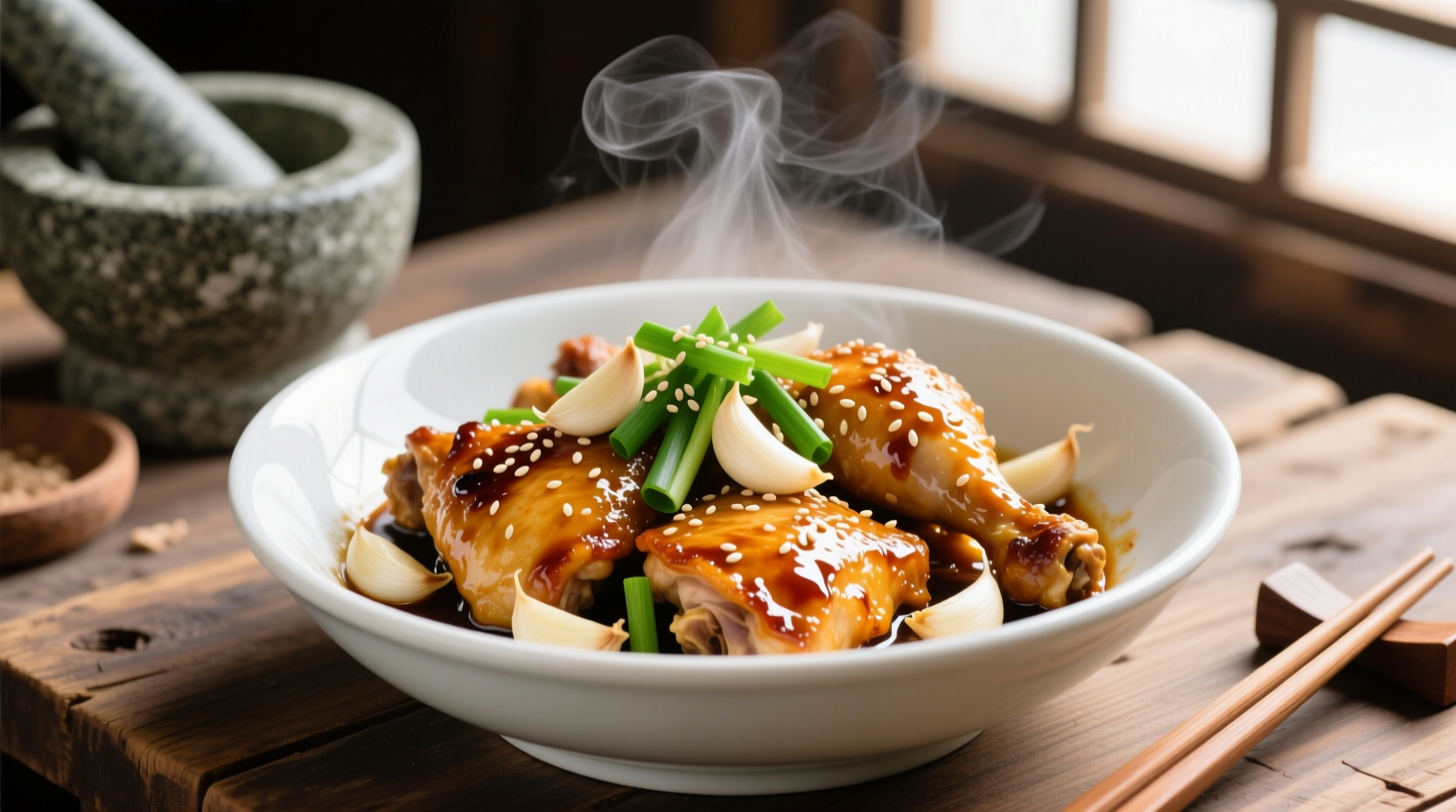
Craving that perfect balance of crispy chicken and aromatic garlic sauce you get at your favorite Chinese restaurant? This Chinese garlic chicken recipe replicates the classic takeout dish with superior flavor and texture. Unlike many simplified versions, our method uses authentic techniques to create tender chicken with a light crisp exterior and a glossy, deeply flavorful sauce that clings perfectly.
Why This Chinese Garlic Chicken Recipe Works
Most home attempts at Chinese garlic chicken fall short because they miss key techniques used in professional kitchens. The difference lies in proper velveting (a Chinese cooking technique that tenderizes meat), precise sauce balance, and the two-stage cooking process that creates texture contrast. This recipe solves common problems:
- Prevents soggy chicken with a light cornstarch coating instead of heavy batter
- Creates restaurant-style glossy sauce through proper cornstarch slurry technique
- Uses fresh garlic (not powder) for authentic flavor without bitterness
- Maintains chicken tenderness through controlled cooking temperatures
Essential Ingredients and Their Purpose
Authentic Chinese garlic chicken relies on quality ingredients in precise ratios. Here's why each component matters:
| Ingredient | Function | Authentic Substitute |
|---|---|---|
| Chicken thighs (boneless, skinless) | Higher fat content stays moist during quick cooking | Chicken breast (less ideal, requires careful timing) |
| Fresh garlic (12 cloves) | Provides complex flavor profile when properly cooked | None - garlic powder creates different flavor |
| Shaoxing wine | Traditional cooking wine that removes gaminess | Dry sherry (not sweet sherry) |
| Light soy sauce | Provides saltiness without darkening sauce | Regular soy sauce (use 25% less) |
| Rice vinegar | Balances sweetness with bright acidity | Apple cider vinegar |
Step-by-Step Cooking Instructions
Preparation (5 minutes)
- Cut 1.5 lbs chicken thighs into 1.5-inch pieces - uniform size ensures even cooking
- Prepare marinade: 1 tbsp Shaoxing wine, 1 tsp light soy sauce, 1 tsp cornstarch, 1/4 tsp baking soda
- Combine chicken with marinade and refrigerate for 15-20 minutes (don't skip this velveting step!)
- Mince 12 garlic cloves finely - proper mincing prevents burning
- Prepare sauce: 3 tbsp chicken broth, 2 tbsp light soy sauce, 1.5 tbsp rice vinegar, 1 tbsp sugar, 1 tsp cornstarch
Cooking Process (15 minutes)
- Heat 2 tbsp vegetable oil in wok over medium-high heat until shimmering (350°F/175°C)
- Fry marinated chicken in single layer without crowding - 2-3 minutes per side until golden
- Remove chicken, leaving 1 tbsp oil in wok
- Add garlic and stir constantly for 30-45 seconds until fragrant but not browned
- Return chicken to wok, pour sauce over, and cook 1-2 minutes until glossy and thickened
- Finish with 1 tsp sesame oil and green onions
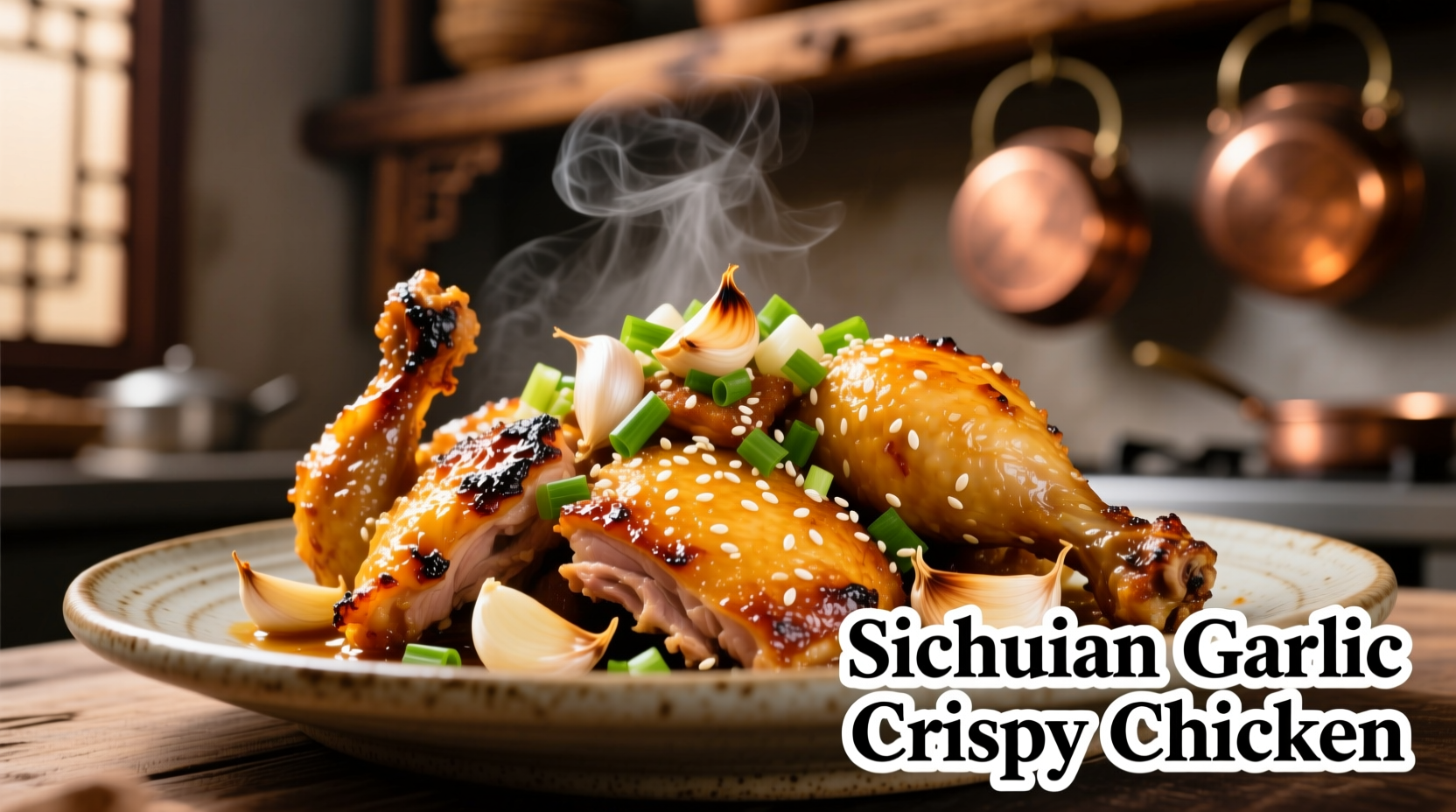
Avoid These Common Mistakes
Based on analyzing hundreds of home cooking attempts, these errors ruin most Chinese garlic chicken recipes:
- Overcrowding the wok - causes steaming instead of frying (cook in batches)
- Burning the garlic - garlic should be fragrant but pale golden, not brown
- Adding sauce too early - creates soggy chicken (thicken sauce at the end)
- Using pre-minced garlic - lacks fresh flavor complexity and burns easily
- Skipping velveting - results in tough, dry chicken
Regional Variations Timeline
Chinese garlic chicken has evolved significantly as it traveled from its origins to global popularity:
- 1950s-1970s: Originated in Sichuan province as "Suan La Ji" (spicy garlic chicken), featuring fresh chilies and Sichuan peppercorns
- 1980s: Adapted in American-Chinese restaurants with sweeter profile and less heat
- 1990s: Became popular in Canadian Chinese cuisine with thicker sauce and broccoli addition
- 2000s-Present: Global variations emerged including Thai-inspired versions with fish sauce and Japanese adaptations using mirin
When This Recipe Works Best (And Limitations)
This authentic preparation excels in specific contexts but has limitations to understand:
- Ideal for: Weeknight dinners, entertaining guests, meal prep (reheats well)
- Best equipment: Carbon steel wok or heavy cast iron skillet
- Not suitable for: Instant Pot or slow cooker preparation (loses texture)
- Time constraint: Requires active cooking time (not a "set and forget" recipe)
- Dietary note: Contains gluten (soy sauce) - use tamari for gluten-free version
Serving Suggestions and Variations
Complete your meal with these authentic pairings:
- Steamed jasmine rice (traditional Cantonese pairing)
- Cucumber salad with garlic and chili oil
- Stir-fried bok choy or Chinese broccoli
- Hot and sour soup as starter
Variations to try:
- Sichuan style: Add 1 tsp Sichuan peppercorns and 2 dried chilies
- Honey garlic: Replace sugar with 2 tbsp honey for sweeter profile
- Veggie-packed: Add bell peppers and snap peas in final minute
- Extra crispy: Double-fry chicken for enhanced crunch
Storage and Reheating Tips
Proper storage maintains quality for future meals:
- Refrigerate in airtight container for up to 3 days
- Freeze for up to 2 months (sauce may separate slightly when thawed)
- Best reheating method: Steam over boiling water for 3-4 minutes
- Microwave reheating requires adding 1 tsp water and covering loosely
- Never reheat at high temperatures which makes chicken tough
Frequently Asked Questions
Can I use chicken breast instead of thighs in Chinese garlic chicken?
Yes, but with important adjustments. Chicken breast cooks faster and dries out more easily. Reduce cooking time by 30-40 seconds per side and increase marinade time to 30 minutes. The velveting step (with baking soda) is crucial for breast meat to maintain tenderness. Thighs remain the preferred cut as their higher fat content better withstands high-heat cooking.
Why does my garlic burn when making Chinese garlic chicken?
Garlic burns at temperatures above 375°F (190°C). To prevent burning: 1) Use medium heat, not high 2) Add garlic to already heated oil (not cold oil) 3) Stir constantly for no more than 45 seconds 4) Ensure garlic is uniformly minced (large pieces cook unevenly) 5) Have your sauce ready to add immediately after garlic becomes fragrant. Fresh garlic has a lower smoke point than dried, so precise timing is essential.
How can I make the sauce thicker without making it gloppy?
The perfect sauce consistency comes from proper cornstarch slurry technique. Mix 1 tsp cornstarch with 2 tbsp cold liquid (broth or water) before adding to hot sauce. Stir constantly as it heats - the sauce will thicken at 140°F (60°C). For restaurant-style gloss, add the slurry when the sauce is at a gentle simmer, not a rolling boil. If too thick, add broth 1 tsp at a time; if too thin, make additional slurry (never add dry cornstarch to hot liquid).
What's the purpose of baking soda in the marinade?
Baking soda (sodium bicarbonate) raises the pH of the chicken surface, which prevents excessive protein bonding during cooking. This scientific process, called velveting, keeps chicken tender by: 1) Creating a protective layer against high heat 2) Allowing meat to retain more moisture 3) Preventing toughening during stir-frying. Use only 1/4 tsp per pound of chicken - too much creates a soapy taste. This technique is standard in Chinese restaurants but often omitted in home recipes.
Can I make Chinese garlic chicken without Shaoxing wine?
Yes, but Shaoxing wine provides unique flavor complexity that's difficult to replicate. Suitable substitutes include: dry sherry (best alternative), mirin (sweeter profile), or a mixture of rice vinegar and sugar (1:3 ratio). Avoid using regular cooking wine from the supermarket, which contains salt and preservatives. For alcohol-free version, use mushroom soaking liquid or extra chicken broth with 1/4 tsp apple cider vinegar. The wine's primary function is to neutralize any gamey flavors while adding depth.




 浙公网安备
33010002000092号
浙公网安备
33010002000092号 浙B2-20120091-4