
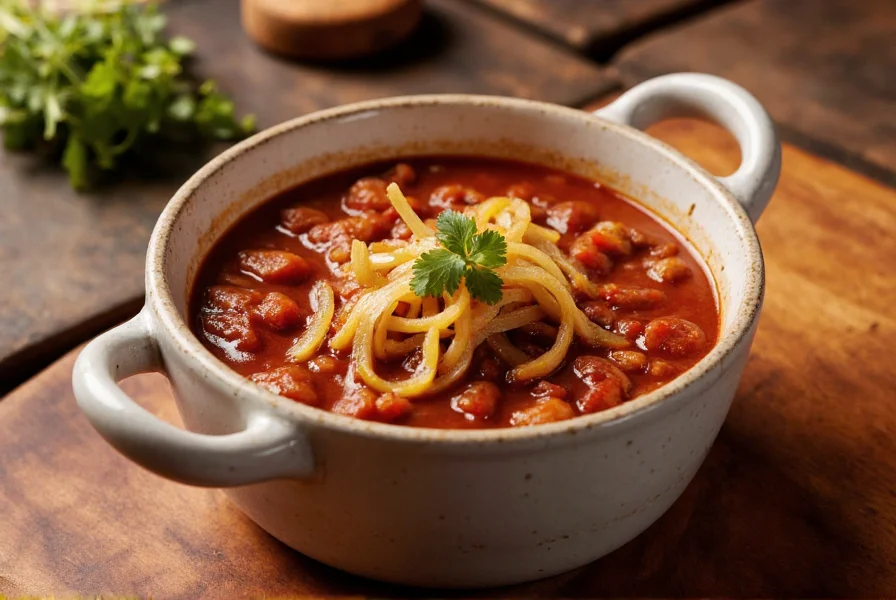
Chili made with beef broth delivers richer flavor and better texture than water-based versions. The collagen and gelatin in quality beef broth enhance mouthfeel while the concentrated meat flavors deepen the overall taste profile. For optimal results, use low-sodium beef broth to control salt levels and allow spices to shine through.
When crafting the perfect pot of chili, the liquid base makes all the difference. While many recipes call for water or canned tomatoes alone, incorporating beef broth transforms ordinary chili into something extraordinary. This culinary secret leverages the Maillard reaction and umami compounds naturally present in properly prepared broth to create complex flavor layers that water simply can't match.
The Science Behind Beef Broth in Chili
Beef broth contains natural glutamates and inosinates that trigger umami receptors on your tongue. These compounds work synergistically with chili spices like cumin and chili powder to create what food scientists call flavor layering. Unlike water, which merely hydrates ingredients, beef broth actively contributes to the flavor profile through:
- Natural gelatin that improves mouthfeel and body
- Maillard reaction products from roasted bones that add depth
- Soluble proteins that help emulsify fats for better texture
- Minerals that enhance spice perception
Professional chefs consistently choose beef broth over water because it provides a flavor foundation that builds throughout the cooking process. As the chili simmers, the broth reduces and concentrates, allowing these flavor compounds to integrate seamlessly with other ingredients.
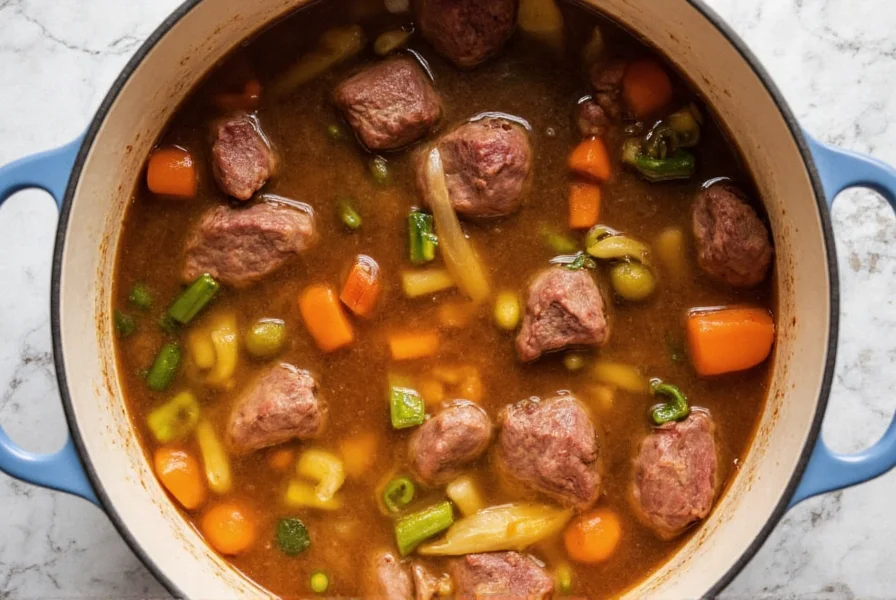
Choosing the Right Beef Broth
Not all beef broths deliver equal results in chili. Consider these factors when selecting your base:
| Broth Type | Best For | Considerations |
|---|---|---|
| Homemade bone broth | Ultimate flavor depth | Requires 12-24 hours preparation |
| Low-sodium store-bought | Weeknight cooking | Check for artificial flavors |
| Beef consommé | Elegant presentations | May require reduction |
| Beef stock concentrate | Flavor boosting | Dilute properly to avoid saltiness |
For authentic homemade chili with beef broth, nothing beats a properly prepared bone broth. The extended simmering time extracts maximum collagen and flavor compounds that create that signature rich texture. When time is limited, select a low-sodium commercial broth with minimal ingredients—ideally just beef bones, vegetables, herbs, and water.
Step-by-Step Beef Broth Chili Recipe
This method maximizes flavor development while maintaining ideal texture:
- Brown the meat: Sear 2 lbs ground chuck in batches to develop fond
- Sauté aromatics: Cook onions, garlic, and bell peppers until caramelized
- Toast spices: Add 2 tbsp chili powder, 1 tbsp cumin, and 1 tsp smoked paprika directly to the pot for 1 minute
- Combine ingredients: Add 4 cups beef broth, 1 (28-oz) can crushed tomatoes, 1 (15-oz) can kidney beans (drained), and 1 diced chipotle in adobo
- Simmer gently: Cook uncovered for 90-120 minutes, stirring occasionally
- Finish: Adjust seasoning with salt, black pepper, and a splash of apple cider vinegar

Avoiding Common Mistakes
Even experienced cooks make these errors when preparing chili with beef broth:
- Using high-sodium broth: Leads to oversalted chili that can't be fixed—always choose low-sodium versions
- Boiling instead of simmering: Causes meat to become tough and broth to become cloudy
- Adding broth too early: Dilutes initial flavor development—build layers first
- Skipping the acid component: A splash of vinegar or lime juice at the end balances richness
Variations for Different Preferences
Customize your beef broth chili while maintaining its essential character:
- Texas-style: Omit beans and tomatoes for pure meat-and-chili focus
- White chili: Substitute chicken broth and white beans for a lighter version
- Vegetarian option: Use mushroom broth with textured vegetable protein
- Smoky variation: Add 2 tbsp chipotle peppers in adobo to the beef broth base
For those wondering how to make chili with beef broth from scratch, the key is patience. Allow at least 90 minutes of simmering time for flavors to fully integrate. The collagen in quality beef broth breaks down during this process, creating that signature velvety texture that distinguishes exceptional chili from ordinary versions.
Storage and Reheating Guidelines
Properly stored chili with beef broth actually improves in flavor over time as ingredients continue to meld:
- Cool completely before refrigerating (within 2 hours of cooking)
- Store in airtight containers for up to 4 days
- Freeze in portion-sized containers for up to 3 months
- Reheat gently on stove with a splash of additional broth to refresh consistency
Many chili enthusiasts report that the best results come from making chili with beef broth one day ahead of serving. This allows the flavors to fully develop and integrate, creating a more complex and satisfying final product.
Frequently Asked Questions
Can I substitute beef broth with vegetable broth in chili?
Yes, but the flavor profile will change significantly. Vegetable broth lacks the meat-derived umami compounds that give chili its characteristic depth. For best results when substituting, add 1-2 tbsp soy sauce or Worcestershire sauce to compensate for missing savory elements.
How much beef broth should I use in chili?
The ideal ratio is 4 cups of beef broth to 2 lbs of ground meat. This provides sufficient liquid for proper simmering without diluting flavors. Adjust slightly based on your preferred chili consistency—reduce for thicker chili or increase for soupier versions.
Why does my chili with beef broth turn out watery?
Watery chili typically results from insufficient simmering time or too much liquid. Beef broth should reduce by at least 25% during cooking. If your chili remains watery, remove the lid during the final 30 minutes of cooking to allow excess liquid to evaporate while stirring occasionally to prevent sticking.
Can I use bouillon cubes instead of beef broth?
Yes, but with caution. Dissolve 2 beef bouillon cubes in 4 cups of hot water for equivalent flavor. However, commercial bouillon often contains higher sodium levels and artificial flavors. For best results with bouillon, supplement with additional aromatics like onion, garlic, and celery to build more complex flavor layers.
Does beef broth make chili taste too beefy?
Not when used properly. Quality beef broth enhances rather than dominates. The long simmering process allows the broth's flavors to meld with spices and other ingredients. For balanced results, use low-sodium broth and incorporate acid elements like tomatoes or a splash of vinegar at the end to brighten the overall flavor profile.




 浙公网安备
33010002000092号
浙公网安备
33010002000092号 浙B2-20120091-4