
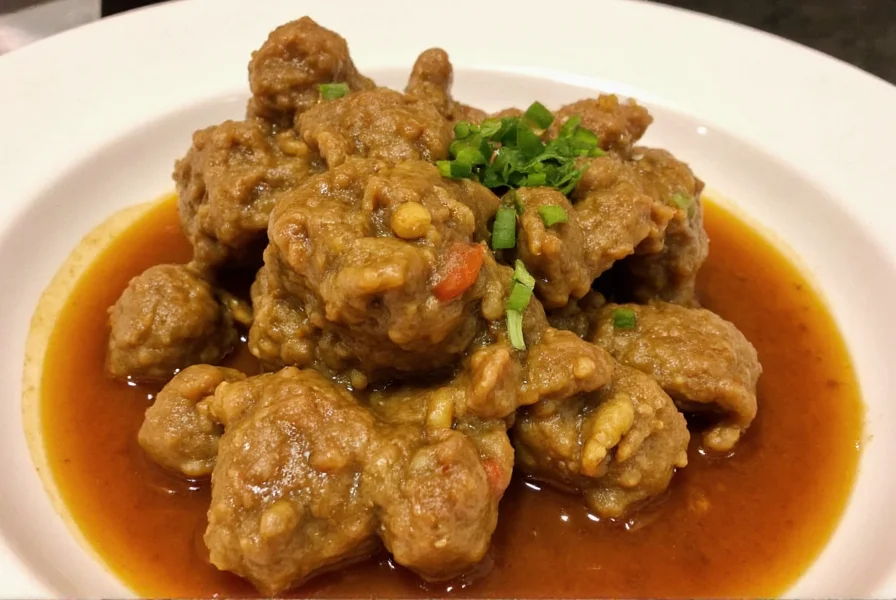
Chili verde pork, known as chile verde con puerco in Mexico, represents one of the country's most beloved comfort foods. This northern Mexican specialty transforms humble ingredients into a complex, satisfying meal through the magic of slow cooking. Unlike red chili dishes that rely on dried peppers, chili verde gets its distinctive flavor from fresh green ingredients, creating a brighter, more acidic profile that cuts through the richness of the pork.
The Essence of Authentic Chili Verde
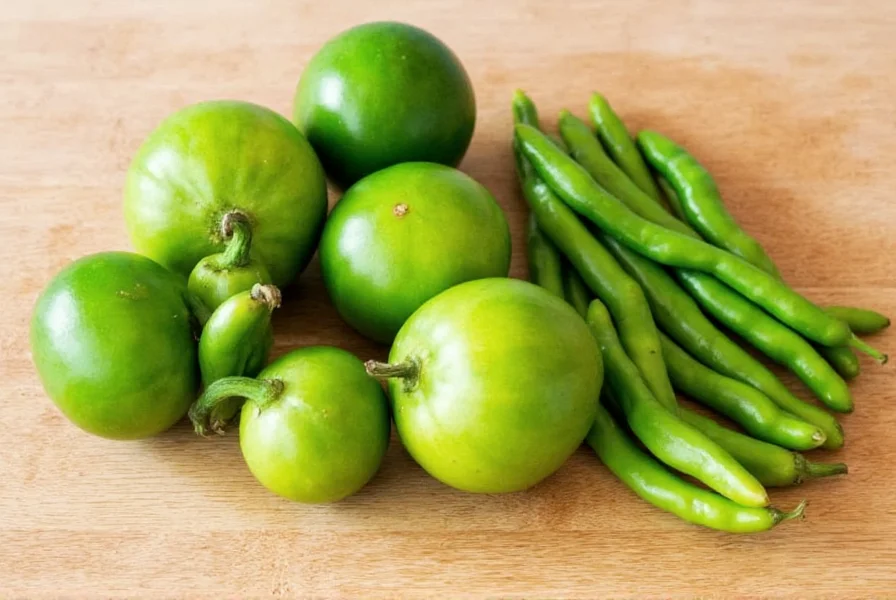
What separates a good chili verde pork recipe from an exceptional one? The secret lies in properly preparing the tomatillo base. These husked green fruits (technically a nightshade family member related to tomatoes) provide the essential tart foundation. When roasted or boiled, they develop a jammy texture and complex flavor that forms the backbone of the sauce. Many home cooks make the mistake of using canned tomatillos, but fresh ones deliver superior brightness and depth.
Historical Evolution of Chili Verde
Chili verde's journey reflects Mexico's culinary fusion. UNESCO's documentation of Mexican cuisine as Intangible Cultural Heritage notes how "the fusion of pre-Hispanic cooking techniques and ingredients with those introduced by the Spanish created a unique and diverse cuisine" [UNESCO, 2010]. Key milestones include:
- Pre-1521: Tomatillos were domesticated by Aztec and Maya civilizations for salsas and sauces, confirmed by archaeological evidence from Mexico's National Institute of Anthropology and History [INAH, 2018].
- 16th Century: Spanish introduction of pork led to culinary fusion in northern ranching communities, where slow-cooking methods developed.
- 1800s: Became staple food for vaqueros (cowboys) in Chihuahua and Sonora, cooked in clay pots over mesquite fires during community gatherings.
- 20th Century: Migration spread the dish across Mexico and into U.S. Southwest, evolving into today's familiar recipe while maintaining core techniques.
Essential Ingredients for Perfect Chili Verde Pork
The beauty of this traditional Mexican pork chili verde recipe is its simplicity—few ingredients, maximum flavor. Each component plays a critical role:
| Ingredient | Why It Matters | Quality Tip |
|---|---|---|
| Pork shoulder (4-5 lbs) | Marbling melts during slow cooking, creating tender meat | Choose well-marbled, skin-on cut for extra flavor |
| Fresh tomatillos (2 lbs) | Provides signature tartness and body to the sauce | Select firm, bright green fruits with intact husks |
| Poblano peppers (2) | Adds mild heat and earthy depth | Roast and peel for smoother texture |
| Serrano peppers (2-3) | Delivers authentic spicy kick | Adjust quantity based on heat preference |
| White onion (1 large) | Builds aromatic foundation | Yellow onion works in a pinch |
Equipment You'll Need
While you can make this traditional Mexican pork chili verde recipe with basic kitchen tools, these items make the process smoother:
- Heavy-bottomed Dutch oven or cast iron pot (essential for even heat distribution)
- Blender or food processor (for smooth sauce consistency)
- Slotted spoon (for removing pork during sauce preparation)
- Meat thermometer (to verify pork reaches safe 145°F internal temperature)
Step-by-Step Cooking Instructions
Follow these detailed steps for an easy chili verde pork crockpot recipe alternative that delivers authentic results:
Preparing the Pork
- Pat 4-5 pounds of pork shoulder dry with paper towels—this critical step ensures proper browning
- Cut into 2-inch cubes, trimming excessive fat (leave some for flavor)
- Season generously with 2 tsp salt and 1 tsp black pepper
- Working in batches, sear pork in hot oil until deeply browned on all sides (about 3-4 minutes per side)
- Remove pork and set aside—don't skip this step as it builds foundational flavor
Creating the Verde Sauce
- Boil 2 lbs fresh tomatillos (husks removed) with 2 poblanos and 2-3 serranos for 10 minutes until softened
- Drain and transfer to blender with 1 chopped white onion, 4 garlic cloves, and 1/4 cup cilantro
- Blend until completely smooth—this creates the signature texture of a proper chili verde pork recipe with green chilies
- For deeper flavor, roast the tomatillos and peppers under the broiler instead of boiling
Slow Cooking to Perfection
- Return seared pork to the pot with any accumulated juices
- Pour blended sauce over pork, ensuring all pieces are submerged
- Cover and simmer on low heat for 2-3 hours until pork is fork-tender
- Skim excess fat from surface during the last 30 minutes of cooking
- Adjust seasoning with additional salt if needed before serving
Serving Your Chili Verde Pork
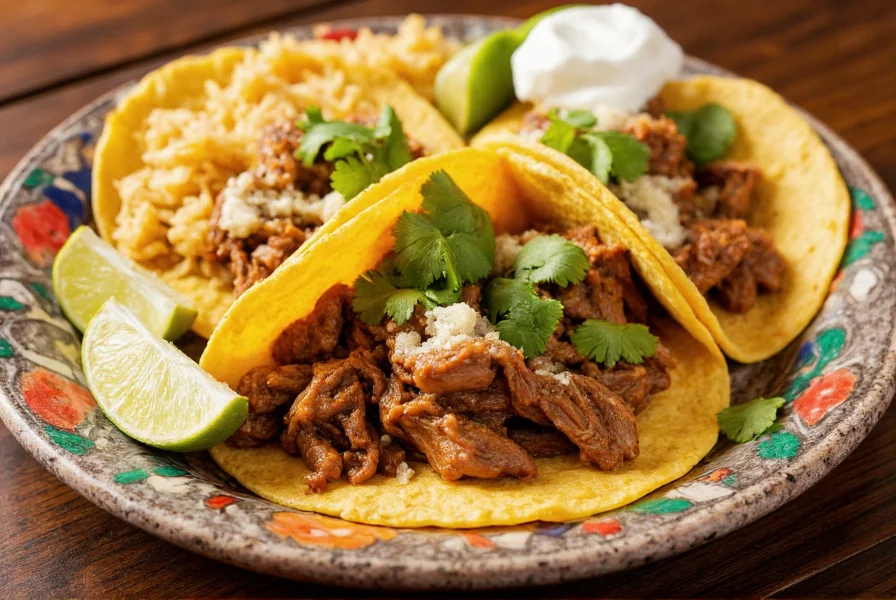
The best cut of pork for chili verde shines when served properly. Traditional accompaniments include:
- Warm corn tortillas for making tacos
- White rice to balance the bold flavors
- Crema fresca or sour cream for cooling contrast
- Additional chopped cilantro and diced white onion
- Lime wedges for a bright finishing touch
For meal prep convenience, this chili verde pork recipe stores exceptionally well. Cool completely before transferring to airtight containers. Refrigerate for up to 4 days or freeze for up to 3 months. The flavors actually improve after 24 hours as the ingredients meld together.
Variations and Customizations
While purists prefer the traditional preparation, these thoughtful adaptations maintain authenticity while accommodating different needs:
Crockpot Method
For an easy chili verde pork crockpot recipe, follow the initial browning steps, then transfer everything to a slow cooker. Cook on low for 6-8 hours or high for 3-4 hours. The slow, gentle heat produces incredibly tender meat.
Dietary Adaptations
- Lower sodium: Reduce salt by half and add extra garlic and cumin for flavor depth
- Keto-friendly: Serve over cauliflower rice instead of traditional white rice
- Spice control: Remove serrano seeds for milder heat while maintaining flavor
Common Mistakes to Avoid
Even experienced cooks make these errors when preparing chili verde pork:
- Skipping the sear: Properly browning the pork creates fond (those browned bits on the bottom of the pot) which dissolves into the sauce, adding rich complexity
- Overcooking the sauce: Blend the tomatillo mixture just until smooth—over-blending can make the sauce bitter
- Using canned tomatillos: Fresh tomatillos provide brighter flavor; if you must use canned, drain thoroughly and add 1 tbsp lime juice to compensate
- Adding dairy too early: Crema or cheese should be added at serving time, not during cooking, to prevent curdling
Traditional vs. Modern Preparation Methods
Cooking techniques have evolved while preserving core authenticity. Mexico's National Institute of Anthropology and History documents how traditional methods adapted to modern lifestyles [INAH, 2020]:
| Aspect | Traditional Method | Modern Adaptation |
|---|---|---|
| Cooking Vessel | Clay pot (cazuela) over open fire | Dutch oven or slow cooker |
| Tomatillo Preparation | Boiled in copper pots | Roasted under broiler for deeper flavor |
| Cooking Time | 4-6 hours (slow simmer) | 2-3 hours (modern ovens) or 45 mins (pressure cooker) |
| Serving Context | Community gatherings, ranch meals | Family dinners, meal prep for busy weeks |
Frequently Asked Questions
What's the best cut of pork for chili verde?
Pork shoulder (also called pork butt or Boston butt) is ideal for chili verde pork recipes. Its high fat content and connective tissue break down during slow cooking, resulting in incredibly tender, flavorful meat. Avoid lean cuts like pork loin, which will become dry and tough during the extended cooking time required for proper chili verde preparation.
Can I make chili verde pork without tomatillos?
While tomatillos are essential for authentic chili verde, you can create a reasonable substitute if absolutely necessary. Combine 2 cups of green tomatoes with 2 tablespoons of lime juice and 1/4 cup of green bell pepper. This won't replicate the unique tartness of tomatillos, but it provides a similar color and texture base. For best results in traditional Mexican pork chili verde, seek out fresh tomatillos at Latin markets or well-stocked grocery stores.
How do I store and reheat leftover chili verde pork?
Cool chili verde pork completely before storing in airtight containers. Refrigerate for up to 4 days or freeze for up to 3 months. When reheating, do so gently over medium-low heat on the stove, adding a splash of water or broth if needed to restore moisture. Avoid microwaving large portions as it can make the pork rubbery. The flavors actually improve after 24 hours as the ingredients meld together, making this an excellent make-ahead dish.
Why is my chili verde sauce too thin?
If your chili verde pork recipe with green chilies produces a thin sauce, there are several easy fixes. Simmer uncovered for 15-20 minutes to reduce and concentrate the liquid. Alternatively, create a slurry with 1 tablespoon cornstarch mixed with 2 tablespoons cold water, then stir into the simmering sauce. For a more traditional thickener, blend 1/4 cup of the cooked pork with some sauce and stir it back in. Remember that the sauce will naturally thicken slightly as it cools.
Can I use a pressure cooker for chili verde pork?
Yes, you can adapt this traditional recipe for a pressure cooker. After searing the pork, add all ingredients and cook on high pressure for 45 minutes, followed by a natural 15-minute release. The intense pressure creates incredibly tender meat in less time, though some purists argue it doesn't develop the same depth of flavor as slow simmering. This method works well for an easy chili verde pork crockpot recipe alternative when time is limited.




 浙公网安备
33010002000092号
浙公网安备
33010002000092号 浙B2-20120091-4