

Trader Joe's has built a loyal following for its approachable yet distinctive pantry staples, and their chili lineup exemplifies this philosophy. Unlike many canned chili competitors that rely on artificial ingredients or excessive sodium, Trader Joe's focuses on simple recipes with quality components you can actually pronounce. Their chili products have become kitchen staples for busy home cooks seeking convenient yet wholesome meal solutions.
Trader Joe's Complete Chili Product Lineup
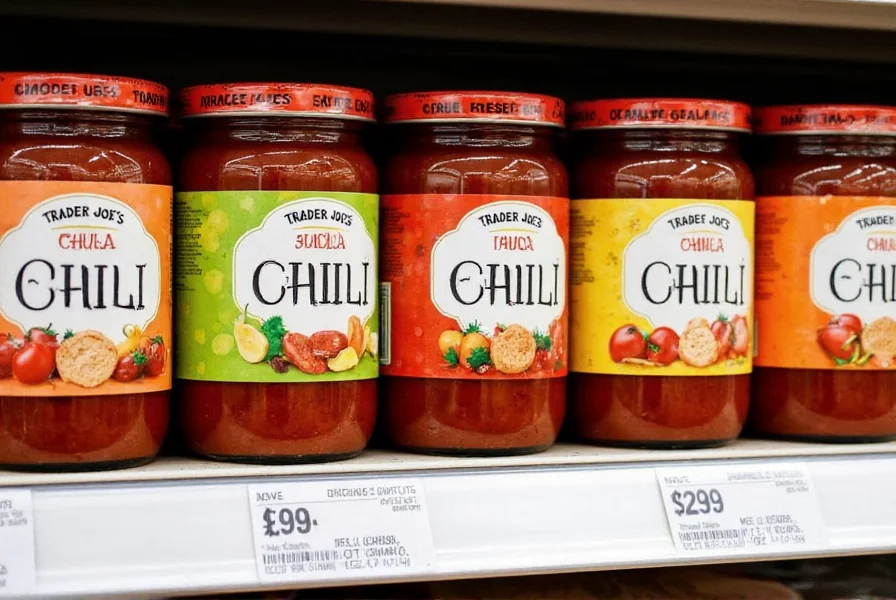
Understanding the differences between Trader Joe's chili varieties helps shoppers select the perfect option for their dietary preferences and meal plans. Each variety maintains Trader Joe's signature balance of convenience and quality, but with distinct flavor profiles and nutritional benefits.
Detailed Breakdown of Popular Chili Options
Mild Chili with Beans
This crowd-pleasing option features a classic chili profile with ground beef, kidney beans, and tomatoes in a mildly spiced tomato-based sauce. With 17g protein and 380mg sodium per serving, it's become a family favorite for those who prefer traditional chili without intense heat. Many customers use Trader Joe's mild chili with beans as a base for customizing their own recipes by adding extra spices or vegetables.
Spicy Three-Bean Chili
Vegans and vegetarians appreciate this plant-based option featuring black beans, kidney beans, and pinto beans in a robustly spiced tomato sauce. Containing 10g protein and just 340mg sodium per serving, this variety delivers noticeable heat from jalapeños and chipotle peppers while remaining accessible to most palates. When searching for Trader Joe's vegetarian chili ingredients, shoppers will find no artificial preservatives or colors—just beans, tomatoes, onions, and spices.
White Bean Chicken Chili
This lighter alternative features cannellini beans, shredded chicken, and green chilies in a creamy base made with yogurt powder. With 18g protein and 490mg sodium per serving, it offers a different flavor profile that appeals to those who prefer white chili over traditional red varieties. The Trader Joe's white bean chicken chili nutrition facts show it contains probiotics from the yogurt powder, adding a subtle tanginess that distinguishes it from competitors.
| Chili Variety | Protein (per serving) | Sodium (mg) | Price Range | Best For |
|---|---|---|---|---|
| Mild Chili with Beans | 17g | 380 | $1.99-$2.29 | Family meals, mild spice lovers |
| Spicy Three-Bean Chili | 10g | 340 | $2.19-$2.49 | Vegans, spice enthusiasts |
| White Bean Chicken Chili | 18g | 490 | $2.29-$2.49 | Lighter meals, creamy texture lovers |
| Turkey Chili with Beans | 15g | 420 | $2.09-$2.39 | Lean protein seekers, traditional chili fans |
| Vegetarian Chili | 9g | 360 | $1.99-$2.29 | Plant-based diets, simple ingredient lovers |
Creative Ways to Elevate Trader Joe's Chili
While delicious straight from the can, many home cooks transform Trader Joe's chili into restaurant-quality meals with simple enhancements. For those seeking the best Trader Joe's chili for crockpot recipes, adding diced sweet potatoes to the mild chili creates a hearty winter stew. The spicy three-bean variety benefits from a splash of lime juice and avocado for a Southwest-inspired bowl.
Food enthusiasts frequently share how Trader Joe's turkey chili with beans recipe ideas extend beyond traditional serving methods. Try using it as a filling for stuffed bell peppers or mixing it with cornbread batter for chili cornbread cups. The white bean chicken chili works exceptionally well as a base for enchilada soup when combined with chicken broth and shredded cheese.
How Trader Joe's Chili Compares to Competitors
When evaluating Trader Joe's chili compared to other brands, several factors distinguish their offerings. While national brands often contain higher sodium levels (frequently exceeding 500mg per serving) and artificial preservatives, Trader Joe's maintains lower sodium content across their lineup. Their ingredient lists typically feature recognizable components without mysterious additives.
Nutritionists note that Trader Joe's chili varieties generally contain more substantial protein content than many store-brand alternatives, making them more satisfying meal options. The company's commitment to avoiding artificial flavors and colors aligns with current consumer preferences for cleaner ingredient profiles.
Customer Insights and Popularity Trends
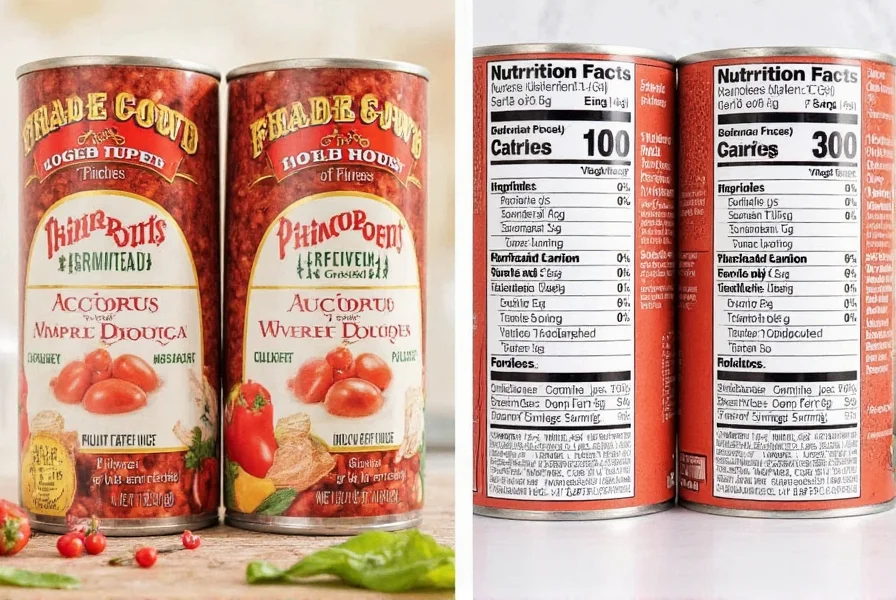
Based on customer feedback across multiple platforms, Trader Joe's Mild Chili with Beans consistently ranks as the most popular variety, particularly among families with children. The Spicy Three-Bean Chili has gained significant traction among younger shoppers and those following plant-based diets.
Seasonal patterns show increased sales of White Bean Chicken Chili during colder months, while the Vegetarian Chili sees steady year-round demand. Many customers report purchasing Trader Joe's chili products in bulk during sales events, citing their freezer-friendly nature and long shelf life as practical advantages.
Practical Considerations for Shoppers
When selecting Trader Joe's chili products, consider your dietary needs and intended use. Those monitoring sodium intake should note that the White Bean Chicken Chili contains the highest sodium level among the varieties. For gluten-free diets, all Trader Joe's chili options are certified gluten-free.
Shoppers researching Trader Joe's mild chili with beans review often appreciate its versatility—it works equally well as a standalone meal, a topping for hot dogs, or a base for more complex recipes. The company's transparent labeling practices help customers quickly identify ingredients and potential allergens.
Frequently Asked Questions
Does Trader Joe's chili contain artificial preservatives?
No, all Trader Joe's chili varieties are made without artificial preservatives, colors, or flavors. Their ingredient lists feature recognizable components like beans, tomatoes, onions, and spices without unnecessary additives.
How long does Trader Joe's chili last after opening?
After opening, transfer unused chili to an airtight container and refrigerate. Properly stored, it will maintain quality for 3-4 days. For longer storage, freeze portions in freezer-safe containers for up to 3 months.
Which Trader Joe's chili has the lowest sodium content?
The Spicy Three-Bean Chili has the lowest sodium content at 340mg per serving, followed closely by the Vegetarian Chili at 360mg. These options appeal to shoppers monitoring their sodium intake while still wanting flavorful chili options.
Can I use Trader Joe's chili in place of homemade chili in recipes?
Yes, many home cooks successfully substitute Trader Joe's chili in recipes calling for homemade chili. For best results, choose the variety that matches your desired spice level and protein type, then enhance with additional ingredients like fresh vegetables, spices, or toppings to customize the flavor profile.
Are Trader Joe's chili products gluten-free?
Yes, all five Trader Joe's chili varieties are certified gluten-free. The company clearly labels potential allergens, and their chili production facilities maintain strict protocols to prevent cross-contamination with gluten-containing ingredients.




 浙公网安备
33010002000092号
浙公网安备
33010002000092号 浙B2-20120091-4