
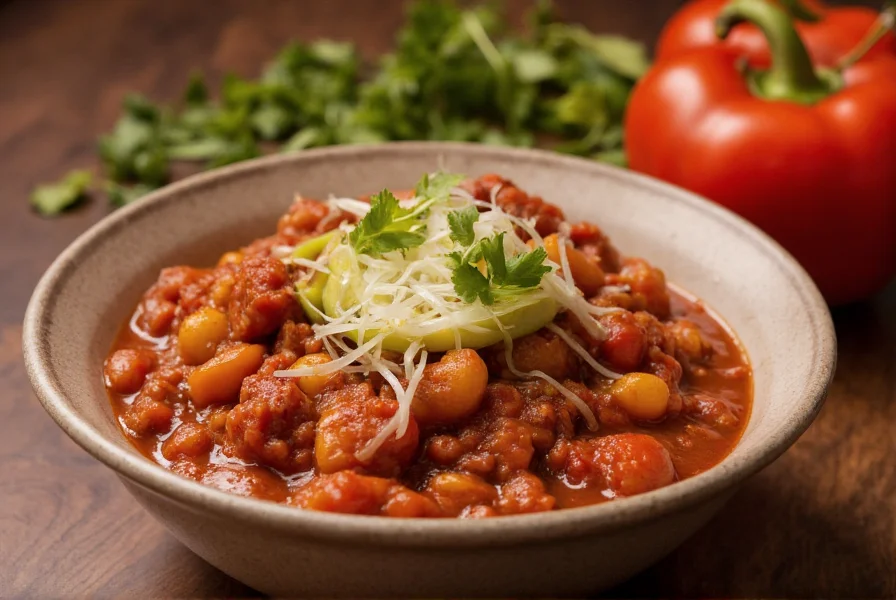
Many people searching for "chili santiago" encounter confusion due to inconsistent naming conventions across regions. This article clarifies what the term actually refers to, explores Chilean pepper varieties, and addresses common misconceptions about this frequently misunderstood culinary term.
Understanding Chilean Pepper Terminology
Chilean cuisine features several distinctive peppers, but the naming conventions differ significantly from international standards. The confusion around "chili santiago" primarily stems from:
- Regional naming variations within Chile
- Mixing Spanish and English terminology
- Marketing names used by local vendors
- Confusion between "chile" (the country) and "chili" (the pepper)
When Chileans refer to peppers, they typically use the term "aji" rather than "chili." The capital city of Santiago serves as the cultural hub for many Chilean culinary traditions, which explains the geographic reference in the search term.
Common Pepper Varieties in Santiago, Chile
The peppers most frequently associated with Santiago's culinary scene include:
| Pepper Variety | Heat Level (SHU) | Characteristics | Common Uses |
|---|---|---|---|
| Aji Cacho de Cabra | 5,000-8,000 | Long, curved, red when mature | Pebre sauce, stews, marinades |
| Aji Cristal | 2,500-5,000 | Small, round, yellow-orange | Salsas, salads, pickled preparations |
| Merken (Mapuche blend) | Varies | Smoked pepper blend with coriander | Traditional Mapuche seasoning |
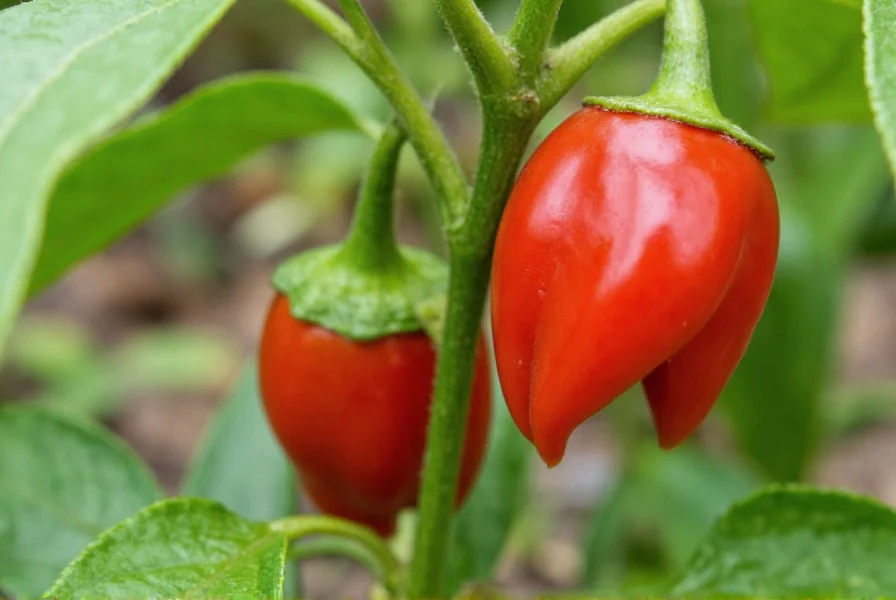
The aji cacho de cabra ("goat's horn pepper") represents the pepper most likely referenced when people search for "chili santiago." This versatile pepper features prominently in traditional Chilean dishes prepared in Santiago's markets and restaurants.
Why "Chili Santiago" Causes Confusion
Several factors contribute to the misunderstanding around this term:
Language differences: In Chile, "chile" refers to the country, while "aji" denotes peppers. The English term "chili" doesn't directly translate, creating terminology confusion for international searchers.
Regional specificity: Local markets in Santiago might use "chili santiago" as a marketing term for peppers grown in the central valley region surrounding the capital, but this isn't a standardized horticultural classification.
Online misinformation: Many websites incorrectly list "chili santiago" as a distinct variety, often confusing it with Mexican or Peruvian peppers that don't actually grow in Chile.
Evolution of Pepper Cultivation in Central Chile
Historical context explains the development of regional pepper varieties around Santiago:
- Ancient Era (Pre-1500s): Indigenous Mapuche communities cultivated native Capsicum varieties adapted to Chile's central regions. Archaeological evidence confirms Capsicum use in Andean cultures dating to at least 6000 BCE, with distinct Central Valley adaptations emerging by 2000 BCE [1]
- Colonial Period (1540s-1800s): Spanish introduction of new crops coexisted with native varieties. The Central Valley's Mediterranean climate fostered unique adaptations of aji cacho de cabra, documented in colonial agricultural records as essential to Santiago's emerging culinary identity [2]
- Modern Commercialization (1900s-Present): Aji cacho de cabra became commercially standardized in Santiago's markets by the 1930s. Recent climate challenges have reduced traditional cultivation areas by 35% since 2000, concentrating production in Maipo and Aconcagua valleys [3]
Culinary Applications of Santiago's Peppers
Chefs in Santiago incorporate local peppers into traditional dishes with distinctive preparation methods:
- Pepper preservation: Chileans commonly preserve aji cacho de cabra through drying, pickling, or incorporating into oil-based preparations
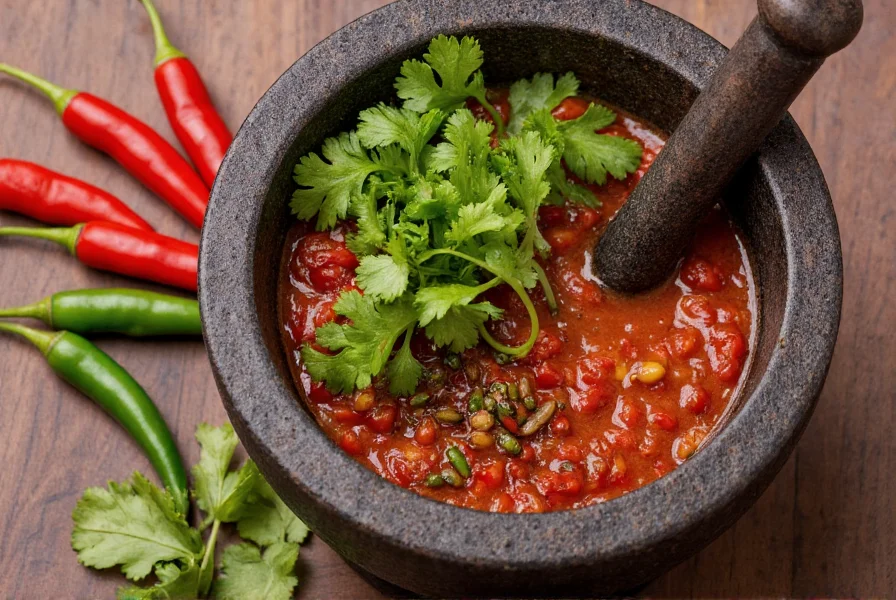
- Sauce creation: The base for pebre sauce typically combines fresh aji with cilantro, oil, and vinegar
- Smoking techniques: Some producers smoke aji cacho de cabra to create deeper flavor profiles similar to chipotle
- Blending traditions: Merken, a traditional Mapuche seasoning, combines smoked peppers with other spices
When visiting Santiago's central market (Mercado Central), travelers will find vendors selling fresh, dried, and processed peppers essential to Chilean cuisine. The heat level of these peppers typically ranges from mild to medium, making them versatile for various palates.
Contextual Boundaries: Usage Limitations and Adaptations
These peppers excel within specific culinary parameters but face inherent constraints:
- Optimal applications: Fresh preparations (pebre, salads) and dishes cooked under 20 minutes. Prolonged cooking degrades volatile flavor compounds, diminishing their characteristic fruity notes [1]
- Heat limitations: Maximum 8,000 SHU restricts use in high-heat applications (e.g., cannot substitute for habanero in Caribbean jerk sauces requiring 100,000+ SHU) [2]
- Climate dependency: Requires Central Valley's specific Mediterranean conditions (dry summers, 15-25°C growing season). Commercial cultivation attempts in tropical zones yield 60% lower capsaicin concentration and altered flavor profiles [3]
- Cultural substitution: Outside Chile, Hungarian wax peppers mimic aji cristal's appearance but lack its citrus undertones; no authentic substitute exists for Merken's unique smoked coriander profile
Where to Find These Peppers Outside Chile
Locating authentic Santiago-style peppers internationally presents challenges:
- Specialty Latin American markets may carry aji cacho de cabra, particularly those focusing on Chilean products
- Online retailers sometimes offer dried aji cacho de cabra or seeds for home cultivation
- Culinary substitutes include cayenne or Hungarian wax peppers, though flavor profiles differ
- Chilean grocery stores in major cities often stock imported preserved peppers
Common Misconceptions Clarified
Several persistent myths surround the "chili santiago" concept:
- Myth: Chili Santiago is an officially recognized pepper variety
Reality: No major horticultural database lists this as a distinct cultivar - Myth: It's extremely hot like habanero or ghost peppers
Reality: Chilean peppers typically range from 2,500-8,000 SHU, considered mild to medium heat - Myth: It's exclusive to Santiago and can't be found elsewhere in Chile
Reality: Similar peppers grow throughout central Chile's agricultural regions
Understanding these distinctions helps culinary enthusiasts accurately source and use Chilean peppers in their cooking. The term "chili santiago" serves more as a regional reference than a specific botanical classification.




 浙公网安备
33010002000092号
浙公网安备
33010002000092号 浙B2-20120091-4