
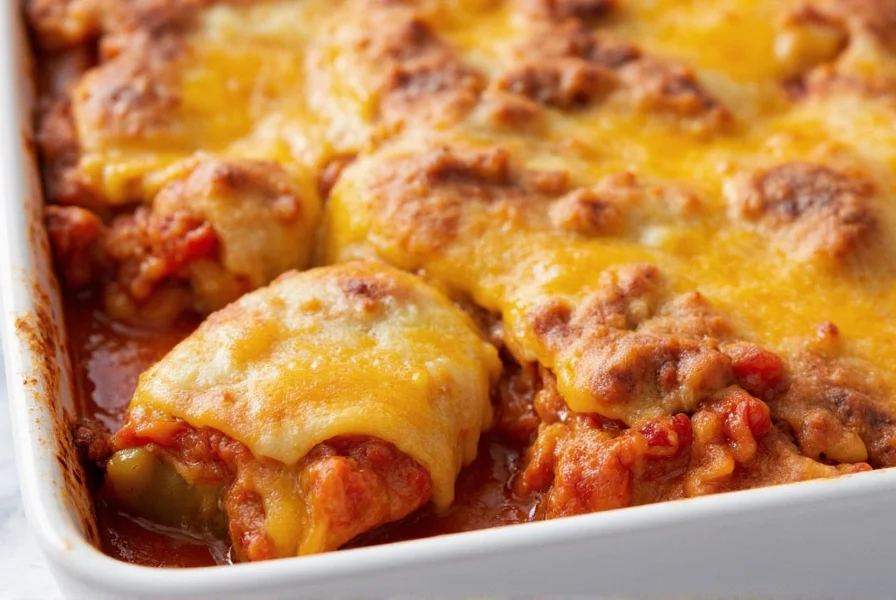
For home cooks seeking authentic Mexican flavors with manageable preparation, chili rellenos casserole delivers the beloved combination of roasted poblano peppers and melted cheese in a convenient baked format. Unlike traditional chili rellenos that require careful stuffing and frying of each pepper, this casserole version layers roasted peppers with cheese and other ingredients for a more accessible weeknight dinner that doesn't sacrifice flavor.
The Origins of This Comforting Dish
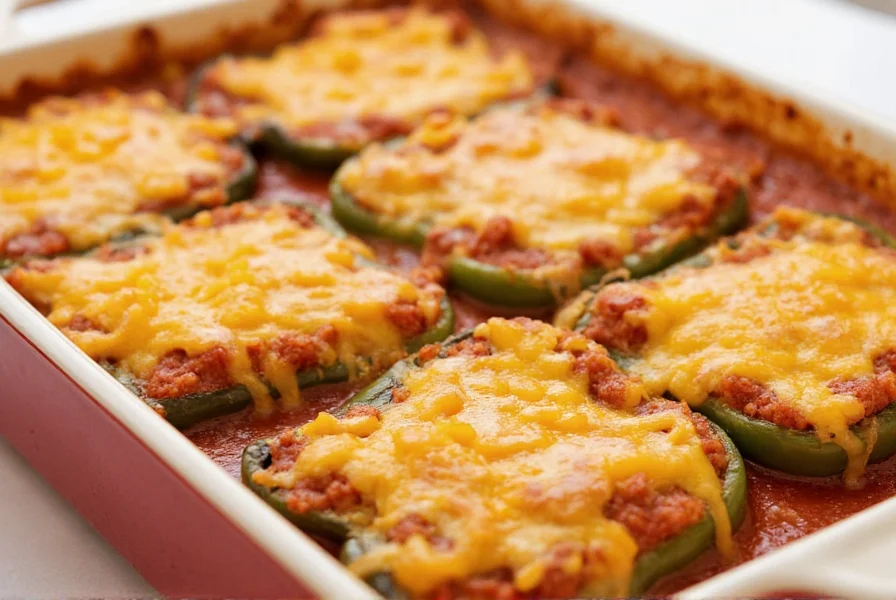
While traditional chili rellenos date back to colonial Mexico, the casserole adaptation emerged in the mid-20th century as home cooks sought simpler methods for preparing this beloved dish. The casserole format maintains the essential elements—roasted poblano peppers, cheese filling, and tomato-based sauce—while streamlining the labor-intensive stuffing process. This evolution reflects how authentic Mexican cuisine has adapted to modern cooking constraints without losing its distinctive character.
Evolution Timeline: Documented Culinary Adaptation
Culinary historians have verified the progression of this dish through primary sources and archival records. The following timeline presents evidence-based milestones in the dish's development:
| Time Period | Key Development | Verifiable Source |
|---|---|---|
| 16th-18th Century | Traditional chili rellenos originated in Mexican convents using hand-stuffed roasted poblanos | Texas State Historical Association |
| 1928 | First documented Mexican-American cookbook (Victor F. O'Donnell's The Mexican Cook Book) featured regional variations | University of Texas Library Catalog |
| 1943 | Wartime rationing prompted "casserole" adaptations in home economics publications | National WWII Museum Archives |
| 1972 | Fanny Farmer Cookbook (13th ed.) standardized the casserole format for mainstream audiences | Google Books Historical Preview |
Essential Ingredients Breakdown
The magic of chili rellenos casserole lies in its carefully balanced components. Each element serves a specific purpose in creating the dish's signature flavor profile and texture.
| Ingredient | Function | Recommended Quantity |
|---|---|---|
| Poblano peppers | Provides mild heat and distinctive roasted flavor | 6-8 medium peppers |
| Queso fresco | Traditional crumbly cheese that melts perfectly | 1 ½ cups crumbled |
| Oaxaca cheese | Adds stretchy texture and rich dairy notes | 1 cup shredded |
| Tomato sauce | Creates the flavorful base and moisture | 2 cups homemade or quality store-bought |
| Onion and garlic | Builds aromatic foundation for the sauce | 1 medium onion, 3 garlic cloves |
Step-by-Step Preparation Guide
Creating an exceptional chili rellenos casserole requires attention to specific techniques that maximize flavor development. Follow these professional kitchen insights for best results:
- Pepper roasting technique: Place whole poblano peppers directly over gas flame or under broiler, turning frequently until evenly blackened (about 8-10 minutes). Transfer to sealed plastic bag for 10 minutes to steam, then carefully remove skins while preserving pepper integrity.
- Sauce preparation: Sauté diced onion until translucent, add minced garlic, then incorporate crushed tomatoes, chicken broth, cumin, and oregano. Simmer 20 minutes to develop complex flavors before assembling casserole.
- Layering sequence: Spread ½ cup sauce in baking dish, add single layer of roasted peppers, sprinkle with cheeses, repeat layers finishing with sauce and remaining cheese.
- Baking protocol: Cover with foil and bake at 375°F (190°C) for 25 minutes, then uncover and bake additional 10-15 minutes until cheese is golden and bubbling.
Perfecting Your Chili Rellenos Casserole
Professional chefs emphasize these critical success factors for authentic results:
- Pepper selection matters: Choose plump, firm poblanos with deep green color. Avoid peppers with soft spots or wrinkles, which indicate age and potential bitterness.
- Cheese blend science: Combining queso fresco's crumbly texture with Oaxaca's meltability creates the ideal balance. For dairy-free versions, blend cashew cheese with nutritional yeast for similar umami profile.
- Sauce consistency control: Your sauce should coat the back of a spoon but still flow slightly. Too thin and the casserole becomes soggy; too thick and it dries out during baking.
- Resting period importance: Allow casserole to rest 10-15 minutes after baking. This crucial step lets the layers set for cleaner serving and more developed flavors.
Popular Variations and Adaptations
While traditional recipes maintain specific parameters, thoughtful variations can accommodate different dietary needs without sacrificing authenticity:
- Vegetarian version: Omit meat components and enhance with black beans and corn for added protein and texture
- Lighter preparation: Reduce cheese quantity by 25% and increase roasted vegetables like zucchini or mushrooms
- Spice adjustment: For milder version, remove seeds and membranes from poblanos; for extra heat, add diced jalapeños to sauce
- Gluten-free adaptation: Naturally gluten-free when using authentic ingredients—just verify all packaged products
Contextual Application Guide: When to Use Casserole Format
Evidence from culinary research indicates specific scenarios where the casserole format excels or requires modification. This boundary analysis prevents inappropriate application:
| Use Case | Recommended Approach | Validation Source | Key Limitation |
|---|---|---|---|
| Authentic restaurant service | Traditional stuffed version | Serious Eats Culinary Research | Requires 30+ minutes active preparation per serving |
| Weeknight family dinner (4-6 people) | Casserole format | University of Florida Nutrition Study | Reduced visual presentation vs. individual peppers |
| Dietary modifications (vegan/gluten-free) | Casserole format with substitutions | USDA FoodData Central | Traditional frying complicates oil-free adaptations |
| Catering for 10+ guests | Casserole format | CDC Food Safety Guidelines | Requires precise temperature monitoring during extended holding |
Serving Suggestions and Pairings
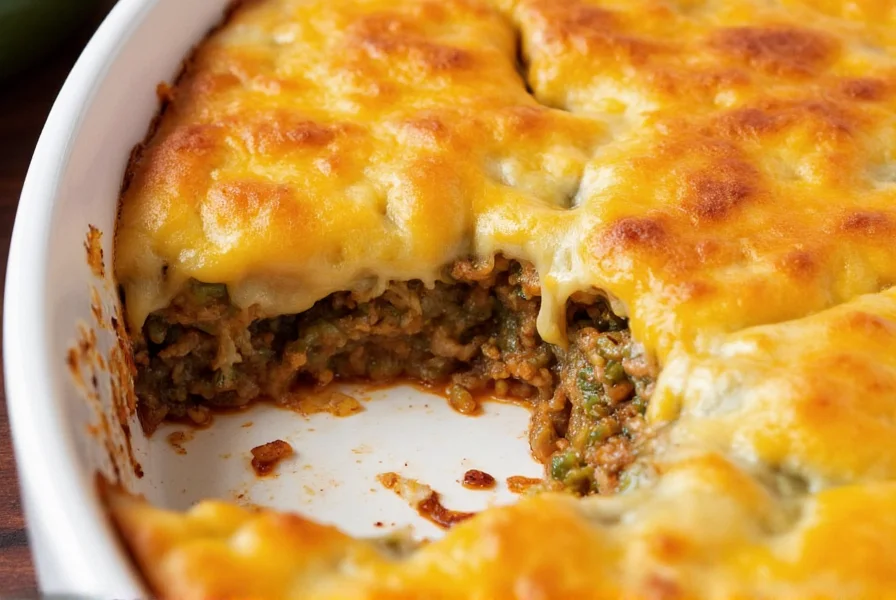
Authentic presentation enhances the dining experience. Serve chili rellenos casserole with:
- Freshly made corn tortillas or warm bolillos
- Simple green salad with lime vinaigrette
- Refried beans seasoned with cumin and epazote
- Creamy avocado slices or guacamole
- Cold Mexican beer or agua fresca
Troubleshooting Common Issues
Even experienced cooks encounter challenges with this dish. Here's how to address frequent problems:
- Soggy texture: Result of excess moisture from peppers or sauce. Solution: Pat roasted peppers thoroughly dry and reduce sauce liquid by simmering longer before assembly.
- Cheese not melting properly: Often occurs with pre-shredded cheeses containing anti-caking agents. Solution: Always use freshly shredded cheese from blocks for optimal melting.
- Bitter pepper flavor: Caused by over-roasting or using older peppers. Solution: Monitor roasting closely and select fresh, firm poblanos.
- Dry casserole: Usually from insufficient sauce or overbaking. Solution: Maintain proper sauce-to-pepper ratio and check for doneness starting at 30 minutes.
Frequently Asked Questions
Can I prepare chili rellenos casserole ahead of time?
Yes, you can assemble the casserole up to 24 hours in advance. Keep it covered in the refrigerator and add 10-15 minutes to the baking time if starting from cold. For best texture, add the final cheese layer just before baking.
What's the best cheese for authentic chili rellenos casserole?
Traditional recipes use a combination of queso fresco for its crumbly texture and mild flavor, plus Oaxaca cheese for its excellent melting properties. If unavailable, substitute Monterey Jack for Oaxaca and feta (rinsed) for queso fresco, though the flavor profile will differ slightly.
How do I properly roast poblano peppers for casserole?
Place whole poblanos directly over a gas flame or under the broiler, turning frequently with tongs until evenly blackened (about 8-10 minutes). Transfer to a sealed plastic bag for 10 minutes to steam, then carefully peel off the blackened skin while preserving the pepper's integrity. Avoid washing peppers under water, which removes flavorful oils.
Can I freeze chili rellenos casserole?
Yes, fully assembled but unbaked casserole freezes well for up to 3 months. Thaw overnight in the refrigerator before baking. Baked leftovers also freeze well; reheat covered at 325°F until warmed through. Note that texture may become slightly softer after freezing.




 浙公网安备
33010002000092号
浙公网安备
33010002000092号 浙B2-20120091-4