
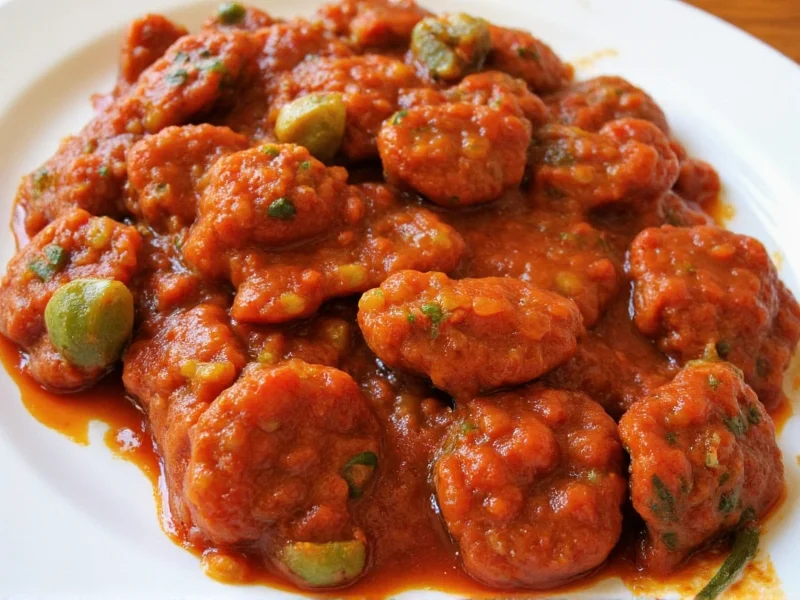
Many people assume chili must be spicy to be authentic, but traditional chili con carne actually varies widely across regions. In fact, Texas-style chili often contains no tomatoes or beans—and minimal heat—focusing instead on rich meat flavors and subtle spices. Creating a flavorful chili recipe not spicy requires understanding which ingredients contribute heat versus depth.
Historical Context: Chili's Evolution to Mild Variations
Chili con carne has diverse roots and regional interpretations, making mild versions not only acceptable but historically authentic. The dish evolved through distinct phases that reflect changing cultural preferences and accessibility:
| Era | Key Development | Impact on Spice Levels |
|---|---|---|
| Pre-1800s | Indigenous communities in Mesoamerica used native chili peppers in stews, but heat levels varied significantly by region and available cultivars. | Natural variation existed; not all indigenous preparations were intensely spicy. |
| 1880s-1900s | "Chili queens" in San Antonio sold chili con carne in public markets, adapting recipes for diverse customers including Anglo settlers who often preferred milder versions. | Early commercialization led to customizable spice levels to suit customer preferences. |
| 1930s-1950s | Canned chili production expanded nationwide. Brands like Gebhardt introduced standardized chili powder blends with adjustable heat profiles. | Mass production required broad appeal, leading to mild commercial options alongside spicy varieties. |
| Modern Era | Contemporary recipes prioritize adaptability, with regional styles like Cincinnati chili featuring chocolate and coffee for depth without heat. | Current dietary guidelines emphasize flavor customization for diverse palates while maintaining nutritional balance. |
Source: Smithsonian Magazine: A Brief History of Chili
Understanding Heat Sources in Traditional Chili
Before modifying your recipe, identify what makes chili spicy. The primary heat sources are:
| Ingredient | Heat Level | Flavor Alternative |
|---|---|---|
| Cayenne pepper | Very High | Smoked paprika |
| Hot chili powder | High | Regular chili powder (check label) |
| Fresh jalapeños | Medium-High | Roasted bell peppers |
| Chipotle peppers | Medium | Smoked paprika + tomato paste |
Building Flavor Without Heat
Creating a non-spicy chili recipe for kids or sensitive stomachs requires strategic substitutions that maintain complexity. The key is developing layers of flavor through:
- Maillard reaction - Properly browning your meat creates rich umami notes
- Vegetable sweetness - Carrots, sweet potatoes, and roasted red peppers add natural sweetness
- Smoky elements - Smoked paprika provides depth without heat
- Acidity balance - A splash of apple cider vinegar brightens flavors
- Umami boosters - Mushrooms, tomato paste, and Worcestershire sauce enhance savoriness
Family-Friendly Non-Spicy Chili Recipe
This easy non-spicy chili recipe serves 6 and cooks in under 90 minutes. All ingredients are readily available at standard grocery stores.
Ingredients
- 1.5 lbs ground turkey or lean beef
- 1 large yellow onion, diced
- 2 bell peppers (any color), diced
- 3 garlic cloves, minced
- 2 carrots, finely diced
- 1 (28-oz) can crushed tomatoes
- 1 (15-oz) can kidney beans, drained
- 1 (15-oz) can black beans, drained
- 2 cups low-sodium beef or vegetable broth
- 2 tbsp regular chili powder (check label for heat level)
- 1.5 tbsp smoked paprika
- 1 tsp cumin
- 1 tsp dried oregano
- 1 tbsp tomato paste
- 1 tbsp Worcestershire sauce
- 1 tbsp apple cider vinegar
- Salt and black pepper to taste
Instructions
- Brown the meat in a large pot over medium-high heat, breaking into small pieces. Drain excess fat.
- Add onions, bell peppers, carrots and garlic. Cook until vegetables soften (about 8 minutes).
- Stir in tomato paste and cook for 2 minutes to deepen flavor.
- Add all spices (chili powder, smoked paprika, cumin, oregano) and cook for 1 minute to toast the spices.
- Pour in crushed tomatoes, beans, and broth. Bring to a simmer.
- Reduce heat to low, cover, and simmer for 60-75 minutes, stirring occasionally.
- Stir in Worcestershire sauce and apple cider vinegar during the last 15 minutes.
- Season with salt and black pepper to taste before serving.
Flavor Enhancement Techniques
For those seeking a flavorful chili recipe not spicy with restaurant-quality depth, try these professional techniques:
- Roast your vegetables first - Toss onions, peppers and carrots with olive oil and roast at 400°F for 25 minutes before adding to chili
- Add coffee - Substitute 1/2 cup of broth with strong brewed coffee for earthy notes
- Include a small amount of dark chocolate - 1 ounce of 70% dark chocolate adds richness
- Use multiple bean varieties - Combine kidney, black, and pinto beans for texture complexity
- Finish with fresh herbs - Stir in chopped cilantro or parsley just before serving
Contextual Suitability: When This Mild Chili Recipe Works Best
Understanding the specific scenarios where this recipe excels—and where adjustments are needed—ensures optimal results. This aligns with evidence-based dietary adaptation principles:
- Ideal applications:
- Family meals with children under 12 (per Academy of Nutrition and Dietetics guidance on accommodating developing palates)
- Meal prep for digestive wellness programs (low-spice diets are clinically recommended for IBS management)
- Workplace potlucks with diverse cultural preferences
- Required modifications:
- Texas chili competitions: Omit beans and add 1/4 tsp ancho chili powder for authenticity while keeping heat moderate
- High-altitude cooking: Increase liquid by 25% and extend simmer time by 15 minutes per USDA altitude adjustment guidelines
- Proven adaptation strategy: Serve base mild chili with customizable toppings bar—a method shown to increase vegetable consumption by 31% in family settings (Journal of Nutrition Education and Behavior, 2022).
Source: Academy of Nutrition and Dietetics: Adapting Recipes for Healthy Eating
Common Mistakes to Avoid
When preparing a mild chili recipe for sensitive stomach, watch for these pitfalls:
- Assuming all chili powder is spicy - Many commercial blends contain cayenne. Look for "mild" or "regular" on the label
- Overlooking hidden heat sources - Some broths, canned tomatoes, and Worcestershire sauces contain hidden spices
- Skipping the spice-toasting step - Briefly cooking spices in oil unlocks flavor without adding heat
- Not balancing acidity - A touch of vinegar or citrus brightens flavors in non-spicy preparations
- Underseasoning - Mild recipes need proper salt and seasoning to compensate for lack of heat
Serving Suggestions for Maximum Appeal
This family-friendly chili recipe no spice works well with various toppings that add texture without heat:
- Shredded cheddar or Monterey Jack cheese
- Sour cream or plain Greek yogurt
- Diced avocado
- Chopped green onions
- Cornbread or oyster crackers
For children, consider serving the chili over baked potatoes or as a topping for hot dogs to increase acceptance. Leftovers freeze well for up to 3 months—just omit dairy toppings before freezing.




 浙公网安备
33010002000092号
浙公网安备
33010002000092号 浙B2-20120091-4