
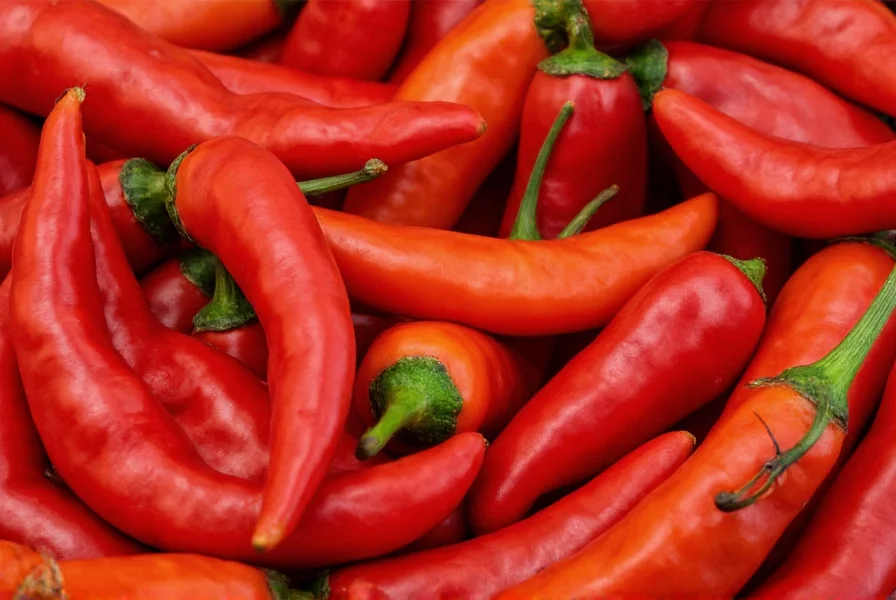
Many gardeners and cooking enthusiasts encounter confusion about the term "chili peppers tanning." This misunderstanding typically stems from observing color changes in peppers and associating them with tanning processes. Let's clarify this botanical phenomenon with accurate information about pepper development.
The Science Behind Pepper Color Transformation
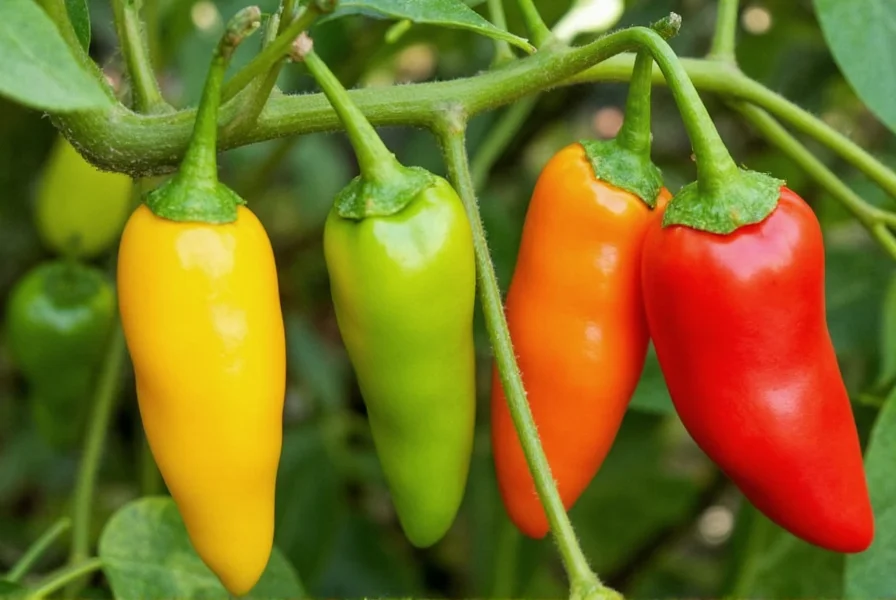
Chili peppers undergo a natural maturation process that involves significant biochemical changes. As peppers ripen, they progress through distinct stages:
| Ripening Stage | Color | Chemical Process | Heat Level (Scoville) |
|---|---|---|---|
| Immature | Green | Chlorophyll dominant | Moderate heat |
| Mid-ripening | Yellow/Orange | Chlorophyll breaks down, carotenoids increase | Increasing heat |
| Full ripeness | Red | Complete chlorophyll degradation, maximum carotenoids | Highest heat level |
This transformation represents ripening, not tanning. The misconception likely arises because some people dry peppers in sunlight, which might be confused with tanning. However, the color change primarily occurs while peppers are still attached to the plant.
Drying vs. Ripening: Clarifying the Confusion
When people refer to "chili peppers tanning," they're often describing one of two processes:
- Natural ripening on the plant - The biological process where peppers change color as they mature
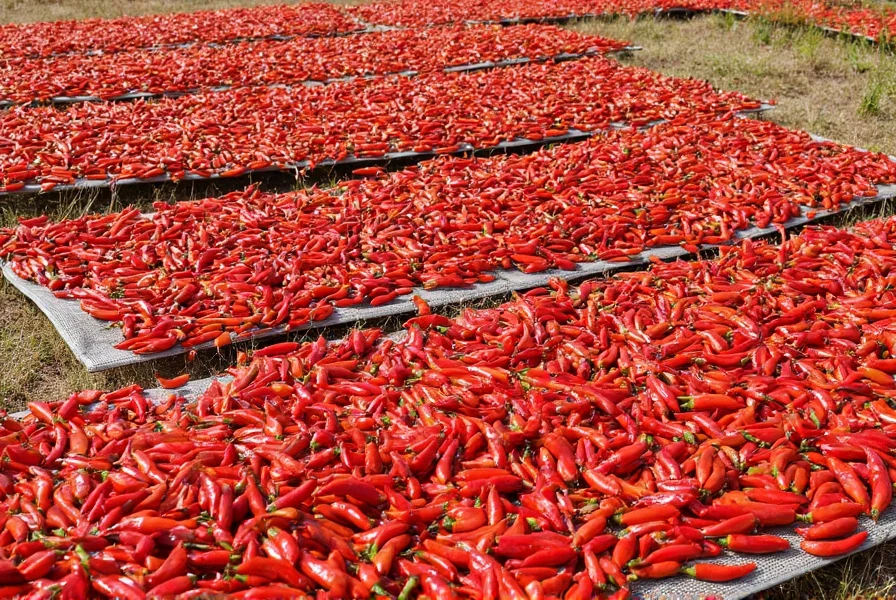
- Sun-drying harvested peppers - A preservation method where picked peppers are dried in sunlight
Understanding this distinction is crucial for gardeners and culinary enthusiasts. Properly identifying which process you're observing helps with harvesting at optimal times and achieving desired flavor profiles.
Optimal Harvesting Based on Ripeness
Knowing the ripening stages helps determine when to harvest chili peppers for specific culinary applications:
- Green peppers - Harvested early, offering crisp texture and moderate heat. Ideal for salsas and fresh applications where you want pepper flavor without overwhelming heat.
- Transition-stage peppers (yellow/orange) - Provide balanced heat and sweetness. Perfect for roasting and sauces where complex flavor development is desired.
- Red peppers - Fully mature with maximum capsaicin and sugar content. Best for drying, powder制作, and dishes where intense heat and rich flavor are required.
Sun-Drying Techniques for Preserving Peppers
If you're interested in preserving your harvest, proper sun-drying techniques can help extend shelf life while maintaining flavor:
While not technically "tanning," sun-drying involves placing harvested peppers in direct sunlight to remove moisture content. This process differs significantly from ripening:
- Ripening occurs on the plant through biological processes
- Drying happens after harvest through moisture evaporation
- Ripening increases capsaicin (heat) levels; drying concentrates existing capsaicin
The sun-drying process follows a predictable timeline under optimal conditions, as verified by post-harvest specialists:
| Drying Stage | Timeframe | Moisture Content | Physical Characteristics |
|---|---|---|---|
| Initial | Day 1 | 80-90% | Fresh appearance, flexible texture |
| Mid-stage | Day 3 | ~50% | Leathery texture, reduced pliability |
| Complete | Day 5-7 | 10-15% | Brittle texture, no visible moisture |
This timeline reflects data from the National Center for Home Food Preservation's evidence-based guidelines (https://nchfp.uga.edu/how/dry/pepper.html), though actual drying duration varies with local humidity and temperature.
For effective sun-drying:
- Harvest fully ripe peppers
- Clean and dry peppers thoroughly
- Place on mesh screens in direct sunlight
- Bring indoors at night to prevent moisture absorption
- Continue until peppers become brittle (typically 5-7 days)
Environmental Factors and Ripening Limitations
Pepper ripening is highly sensitive to environmental conditions, with critical constraints documented by agricultural authorities. Optimal ripening occurs between 70°F and 80°F (21°C-27°C); temperatures outside this range disrupt chlorophyll breakdown as confirmed by University of Illinois Extension research (https://extension.illinois.edu/vegguide/pepper.cfm). Sun-drying effectiveness depends on humidity levels below 60% to prevent microbial spoilage, per National Center for Home Food Preservation standards (https://nchfp.uga.edu/how/dry/pepper.html). Additionally, varietal differences create significant context boundaries—New Mexico State University's Pepper Institute documents how 'Numex Twilight' progresses through purple/yellow stages while some jalapeños remain green when fully ripe (https://aces.nmsu.edu/peppers/variety_descriptions.html).
Common Misconceptions About Pepper Color Changes
Several myths persist about chili pepper development that deserve clarification:
- Myth: Peppers continue ripening significantly after harvest
Fact: While some color change may occur off-plant, major biochemical changes happen while attached - Myth: Red peppers are always hotter than green ones
Fact: Heat levels depend on variety and growing conditions; some varieties peak in heat at intermediate stages - Myth: Sun exposure directly causes peppers to turn red
Fact: Color change is genetically programmed; sunlight affects overall plant health but not the ripening sequence
Practical Applications for Gardeners and Cooks
Understanding the actual ripening process rather than the "tanning" misconception provides practical benefits:
- For gardeners: Knowing when to harvest based on desired color and heat level
- For preservation: Selecting optimal ripeness for drying, freezing, or canning
- For cooking: Matching pepper maturity to specific recipes for balanced flavor profiles
- For seed saving: Harvesting fully mature peppers ensures viable seeds with true-to-type characteristics
Whether you're growing chili peppers in your backyard garden or selecting them at the market, recognizing the natural ripening process helps you make informed decisions about usage and preservation. The next time you observe color changes in chili peppers, remember it's ripening—not tanning—at work.




 浙公网安备
33010002000092号
浙公网安备
33010002000092号 浙B2-20120091-4