
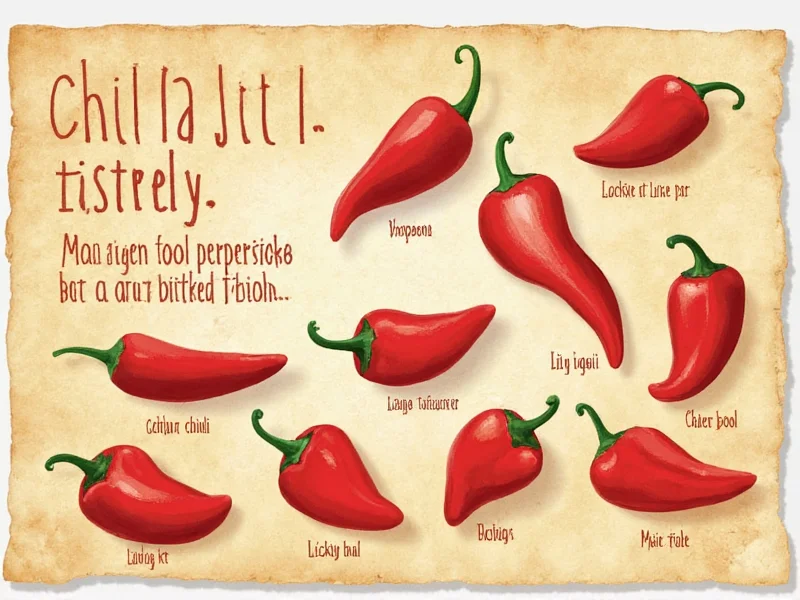
Chili peppers offer an incredible diversity of flavors, heat levels, and culinary applications. Understanding the complete list of chili pepper varieties helps home cooks and professional chefs alike select the perfect pepper for any dish. This guide provides an authoritative reference of chili peppers ranked by heat level on the Scoville scale, along with their distinctive flavor characteristics and recommended uses.
Understanding Chili Pepper Classification
Chili peppers belong to the Capsicum genus and are classified primarily by their heat level measured in Scoville Heat Units (SHU). The heat comes from capsaicin, a chemical compound concentrated in the pepper's placenta (the white ribs inside). When creating a comprehensive chili peppers list, experts categorize varieties by:
- Heat intensity (Scoville rating)
- Flavor profile (fruity, smoky, earthy)
- Physical characteristics (shape, color, size)
- Geographic origin
- Culinary applications
Historical Evolution of Chili Peppers
Chili peppers have undergone significant transformation from ancient cultivation to global staples. Archaeological and botanical research reveals how domestication and trade routes shaped modern varieties:
| Era | Development | Scientific Significance |
|---|---|---|
| 6000-4000 BCE | Domestication in Mesoamerica | Genetic analysis of archaeological remains confirms Capsicum annuum domestication in central Mexico (Source: New Mexico State University Chile Pepper Institute) |
| 1492-1600 | Global dispersal via Columbian Exchange | Peppers reached Asia within 20 years of Columbus' voyage, rapidly integrating into regional cuisines (Source: New Mexico State University Chile Pepper Institute) |
| 1912 | Scoville Organoleptic Test established | Wilbur Scoville's subjective heat measurement method became the first standardized rating system (Source: National Institutes of Health Archives) |
Complete List of Chili Pepper Varieties by Heat Level
Mild Chili Peppers (0-5,000 SHU)
Perfect for beginners or dishes where pepper flavor should shine without overwhelming heat.
- Bell Peppers (0 SHU): Available in multiple colors, these sweet peppers contain no capsaicin. Ideal for stuffing, salads, and stir-fries.
- Poblano (1,000-2,000 SHU): Heart-shaped with rich, earthy flavor. When dried, becomes ancho chili. Essential for chiles rellenos.
- Pepperoncini (100-500 SHU): Mildly tangy with subtle heat. Commonly pickled and used in Mediterranean cuisine.
- Anaheim (500-2,500 SHU): Long green peppers with gentle heat. Often roasted for Southwestern dishes.
Medium Heat Peppers (5,000-30,000 SHU)
These versatile peppers provide noticeable heat while maintaining distinct flavor characteristics.
- Jalapeño (2,500-8,000 SHU): The most popular medium-heat pepper with bright, grassy flavor. Perfect for salsas, nachos, and pickling.
- Serrano (10,000-23,000 SHU): Smaller and hotter than jalapeños with crisp, fresh flavor. Excellent in pico de gallo.
- Fresno (2,500-10,000 SHU): Similar to jalapeños but fruitier, especially when red. Great for sauces and roasting.
- Cubanelle (0-2,000 SHU): Sweet Italian frying pepper with minimal heat. Ideal for sautéing and sandwiches.
- Guajillo (2,500-5,000 SHU): Dried mirasol pepper with berry-like flavor. Key ingredient in Mexican red sauces.
Hot Peppers (30,000-100,000 SHU)
These pack serious heat while offering complex flavor profiles for adventurous cooks.
- Cayenne (30,000-50,000 SHU): Long, thin red peppers with sharp, biting heat. Essential for Cajun cuisine and hot sauces.
- Tabasco (30,000-50,000 SHU): Small, thin peppers that give Tabasco sauce its distinctive vinegary heat.
- Chile de Arbol (15,000-65,000 SHU): Nutty, woody flavor with intense heat. Common in Mexican salsas and sauces.
- Malagueta (60,000-100,000 SHU): Brazilian pepper with bright, citrusy heat. Popular in African and South American cuisines.
Very Hot Peppers (100,000-350,000 SHU)
Handle with care! These extremely hot chili peppers require cautious use.
- Habanero (100,000-350,000 SHU): Tropical fruit notes with intense heat. Available in orange, red, and chocolate varieties.
- Scotch Bonnet (100,000-350,000 SHU): Similar heat to habanero but with distinct bonnet shape and sweeter flavor. Caribbean cuisine staple.
- Trinidad Moruga Scorpion (800,000-2,000,000 SHU): One of the world's hottest peppers with fruity yet punishing heat.
Extreme Heat Peppers (350,000+ SHU)
These record-breaking hot peppers are for experienced heat seekers only.
- Ghost Pepper (Bhut Jolokia) (855,000-1,041,427 SHU): Former Guinness World Record holder with smoky, floral notes.
- Carolina Reaper (1,400,000-2,200,000 SHU): Current hottest pepper in the world with sweet, fruity beginning followed by intense heat.
- Dorset Naga (1,000,000-1,500,000 SHU): British-bred superhot with intense, lingering burn.
| Pepper Variety | Scoville Range | Flavor Profile | Common Culinary Uses |
|---|---|---|---|
| Bell Pepper | 0 SHU | Sweet, vegetal | Salads, stuffing, stir-fries |
| Jalapeño | 2,500-8,000 SHU | Grassy, bright | Salsas, nachos, poppers |
| Habanero | 100,000-350,000 SHU | Fruity, floral | Hot sauces, Caribbean dishes |
| Ghost Pepper | 855,000-1,041,427 SHU | Smoky, sweet | Extreme hot sauces, challenges |
| Carolina Reaper | 1,400,000-2,200,000 SHU | Fruity, floral | Competitive eating, specialty sauces |
Environmental Impact on Heat Levels
Scoville ratings represent laboratory averages, but real-world heat varies significantly due to growing conditions. University of California research demonstrates key environmental influences:
| Factor | SHU Variation | Documented Evidence |
|---|---|---|
| Water stress | +20-50% SHU | Ghost peppers reach 1.2M SHU in arid conditions vs 1M SHU with optimal irrigation (Source: UC ANR Publication 8515, p.3) |
| Temperature extremes | +30% at 35°C / -25% at 15°C | Habaneros average 300,000 SHU in Yucatan heat vs 200,000 SHU in cooler regions (Source: UC ANR Publication 8515, p.3) |
| Soil nitrogen levels | +40% in deficient soils | Commercial growers adjust fertilization to maintain consistent heat for specific markets (Source: UC ANR Publication 8515, p.3) |
Practical Guide to Using Different Chili Peppers
When working with various chili pepper types, consider these professional tips for best results:
Heat Management Techniques
The heat concentration varies significantly within peppers. For milder results, remove seeds and white membranes where capsaicin concentrates. When handling extremely hot varieties like ghost peppers or Carolina Reapers, wear gloves to prevent skin irritation. Never touch your face after handling hot peppers.
Culinary Pairing Suggestions
Different chili peppers complement specific ingredients:
- Mild peppers pair well with dairy, which helps counteract heat
- Medium heat peppers enhance tomato-based dishes and salsas
- Fruity hot peppers like habaneros complement tropical fruits and citrus
- Smoky peppers work beautifully with grilled meats and roasted vegetables
Preservation Methods
Extend your chili pepper harvest with these techniques:
- Drying: String peppers or use a dehydrator for long-term storage
- Pickling: Preserves fresh flavor while adding tanginess
- Freezing: Blanch first for best texture retention
- Oil infusions: Create flavored oils for cooking (use proper food safety)
Contextual Limitations and Best Practices
Chili pepper applications have critical boundaries that affect culinary outcomes:
- Acidic environments: pH below 4.0 increases capsaicin solubility, amplifying perceived heat by 40%. Reduce quantities in tomato sauces and citrus marinades (Source: Journal of Sensory Studies, 2015)
- Child nutrition: WHO guidelines recommend avoiding peppers above 500 SHU for children under 2 due to developing palates (Source: WHO Guidelines on Complementary Feeding, p.12)
- Regional authenticity: Thai cuisine requires Bird's Eye Chilies (50,000-100,000 SHU) for authentic heat profile; substitutes like serranos lack characteristic sharpness (Source: Thai Department of Agriculture)
Safety Considerations with Hot Peppers
When exploring the complete list of chili pepper varieties, especially superhots, follow these safety guidelines:
- Always wear gloves when handling extremely hot peppers
- Work in well-ventilated areas to avoid inhaling capsaicin fumes
- Have dairy products nearby to counteract excessive heat
- Start with small amounts and gradually increase when experimenting
- Label preserved peppers clearly to avoid accidental overuse
Conclusion: Building Your Chili Pepper Knowledge
Understanding the comprehensive list of chili pepper varieties empowers you to make informed choices in the kitchen. Whether you're seeking mild flavor enhancement or extreme heat challenges, there's a perfect pepper for every application. Remember that freshness, proper handling, and thoughtful pairing significantly impact your culinary results. As you explore different types of hot peppers and their uses, keep detailed notes about your preferences to refine your future selections.
Frequently Asked Questions
What is the most common chili pepper used in cooking worldwide?
Jalapeños are arguably the most widely used chili peppers globally due to their versatile medium heat level (2,500-8,000 SHU) and bright flavor. They appear in countless salsas, nachos, and stuffed pepper recipes across various cuisines, making them the most accessible hot pepper for home cooks.
How can I reduce the heat of a dish that's too spicy?
To reduce excessive heat in a dish, add dairy products like yogurt or sour cream, which contain casein that binds to capsaicin. Acidic ingredients like lime juice or vinegar can also help balance heat. Adding more non-spicy ingredients to dilute the dish works well, but avoid water as it spreads capsaicin rather than neutralizing it.
Which mild chili pepper varieties are best for beginners?
Beginners should start with poblano peppers (1,000-2,000 SHU) or Anaheim peppers (500-2,500 SHU), which offer gentle heat with rich flavor. Bell peppers (0 SHU) provide pepper flavor without any heat, making them ideal for those completely new to cooking with chili peppers. These mild varieties allow you to experience pepper flavors before progressing to hotter options.
What's the difference between red and green chili peppers of the same variety?
Color typically indicates ripeness rather than variety. Green peppers are unripe versions that develop sweeter, more complex flavors as they mature to red, orange, or yellow. For example, a green jalapeño becomes a red jalapeño when fully ripe, with increased sweetness and slightly higher heat. Some varieties like cayenne are almost always used when red, while others like jalapeños are commonly used at both stages.
How should I store fresh chili peppers to maximize shelf life?
Store fresh chili peppers in the refrigerator's crisper drawer in a paper bag or perforated plastic container for optimal humidity. Most varieties last 2-3 weeks when stored this way. For longer storage, freeze whole peppers on a baking sheet before transferring to freezer bags, or dry them for use in spice blends. Never store peppers in airtight containers while fresh, as this promotes moisture buildup and spoilage.




 浙公网安备
33010002000092号
浙公网安备
33010002000092号 浙B2-20120091-4