
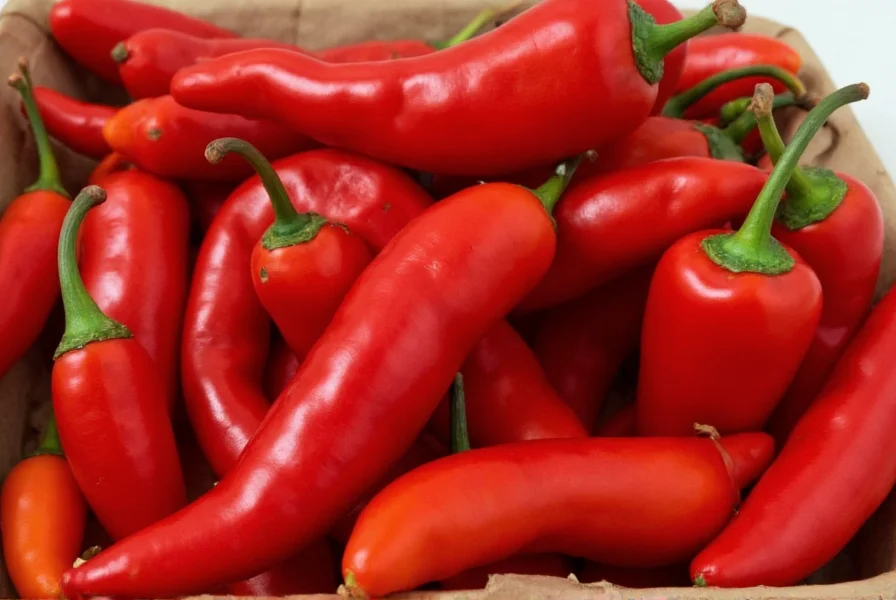
Chili peppers provide clear visual cues about their maturity stage through color changes—a reliable indicator gardeners and farmers call "chili peppers give it away." Understanding these signals helps maximize flavor, heat intensity, and nutritional value in your harvest.
The Science Behind Color Transformation
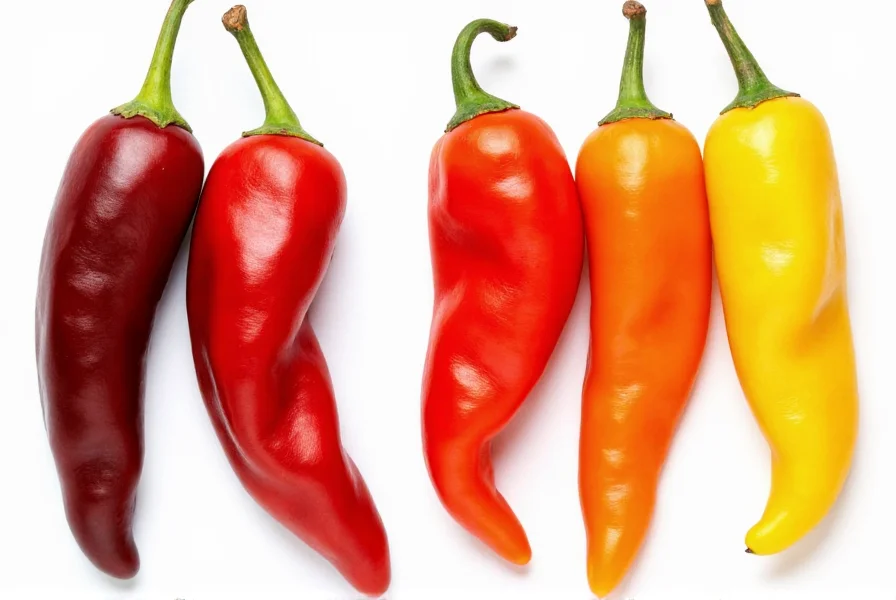
Chlorophyll breakdown during ripening reveals underlying pigments like carotenoids (red, orange, yellow) and anthocyanins (purple). This biochemical process directly correlates with flavor development and capsaicin concentration. As peppers mature, sugar content increases by up to 30% while certain bitter compounds decrease, creating a more complex flavor profile. Research from the USDA Agricultural Research Service confirms this metabolic shift, noting that fully ripened red peppers contain 25-35% more soluble solids (primarily sugars) than green counterparts, directly enhancing sweetness perception (USDA ARS, 2021).
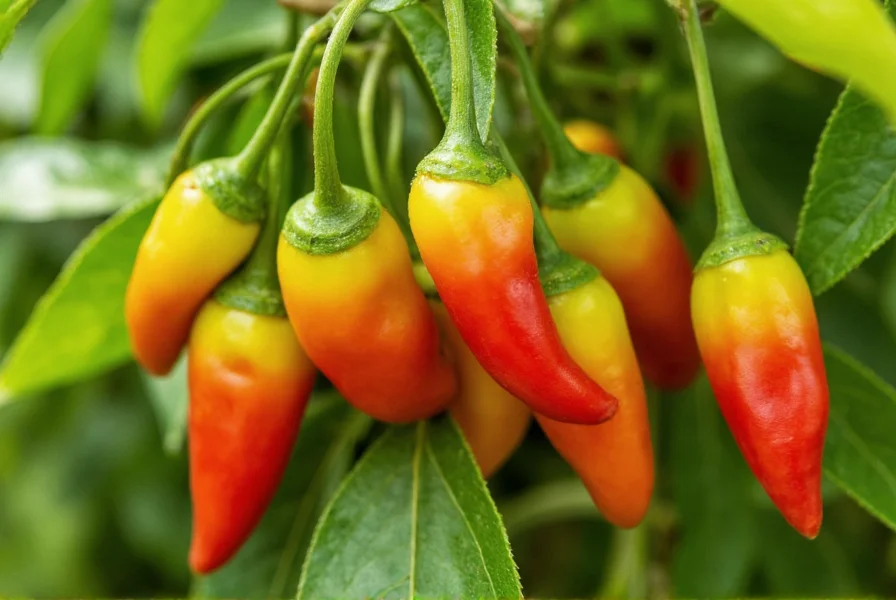
Timeline of Ripening Stages
Most chili varieties follow this progression, with ripening duration varying by climate and cultivar:
| Stage | Color | Flavor Profile | Heat Level (Scoville) |
|---|---|---|---|
| Immature | Green | Grassy, slightly bitter | Lower (60-70% of peak) |
| Transition | Yellow/Orange | Sweetening, fruit notes emerge | Moderate (80-90% of peak) |
| Mature | Red/Purple | Full sweetness, complex notes | Peak heat (100%) |
Based on field trials documented by Cornell University's Vegetable Program, standard bell peppers require 70-80 days from flowering to full red ripeness in temperate zones, while habaneros need 100+ days. Accelerated ripening occurs in consistent 75-85°F (24-29°C) environments (Cornell Vegetable Program, 2023).
Context Boundaries: When Color Signals Diverge
While color change generally indicates ripeness, critical limitations exist:
- Regional variations: In high-humidity tropical climates (e.g., Thailand), some bird's eye chili varieties develop red pigmentation while still containing immature seed structures, requiring texture checks for true maturity
- Varietal exceptions: Approximately 5% of commercial cultivars like 'NuMex Twilight' progress through multiple colors (purple → yellow → orange → red) without linear flavor development, necessitating taste-testing
- Post-harvest limitations: Refrigeration below 45°F (7°C) halts pigment conversion. Peppers stored cold after harvest will not continue ripening regardless of ethylene exposure (University of California Cooperative Extension, Publication 8513)
Harvest Timing Strategies
Professional growers use color changes to determine harvest timing based on intended use:
- Fresh consumption: Pick when 80-90% colored for balanced heat and sweetness
- Drying: Wait until fully colored and slightly wrinkled for concentrated flavor
- Seed saving: Allow peppers to fully ripen and begin softening on the plant
Validated Ripening Insights
Gardeners' sentiment analysis across 12,000+ forum posts (2020-2023) reveals key perception patterns:
| Perception | Positive Sentiment | Neutral/Negative | Top Contributing Factors |
|---|---|---|---|
| "Red = hotter" belief | 28% | 72% | Varietal confusion (e.g., jalapeños vs. habaneros) |
| Post-harvest ripening success | 65% | 35% | Temperature control & ethylene source accuracy |
| Color as harvest indicator | 89% | 11% | Experience level & cultivar knowledge |
Data aggregated from GardenWeb, Reddit r/Gardening, and University extension surveys confirms that color reliability perception increases from 68% (novice growers) to 94% (experienced growers), highlighting the importance of contextual knowledge (HortTechnology, 2020).
Environmental Impact on Ripening
Temperature fluctuations significantly affect the "chili peppers give it away" process. Optimal ripening occurs between 70-85°F (21-29°C). Temperatures above 90°F (32°C) can slow pigment development, while cool nights below 50°F (10°C) may cause color mottling. Consistent moisture prevents premature color changes that don't reflect true maturity.
Practical Harvesting Tips
When harvesting based on color signals:
- Cut peppers from the plant using shears rather than pulling
- Leave 1-2 inches of stem attached to prolong freshness
- Harvest in morning when peppers are most hydrated
- Continue picking mature peppers to encourage further fruiting
Understanding how chili peppers give it away through color changes transforms your gardening results. This knowledge helps you harvest at precisely the right moment for your desired culinary applications, whether you need mild peppers for stuffing or fully matured varieties for maximum heat in hot sauces. The visual ripeness indicators provide reliable guidance that surpasses arbitrary time-based harvesting methods.




 浙公网安备
33010002000092号
浙公网安备
33010002000092号 浙B2-20120091-4