
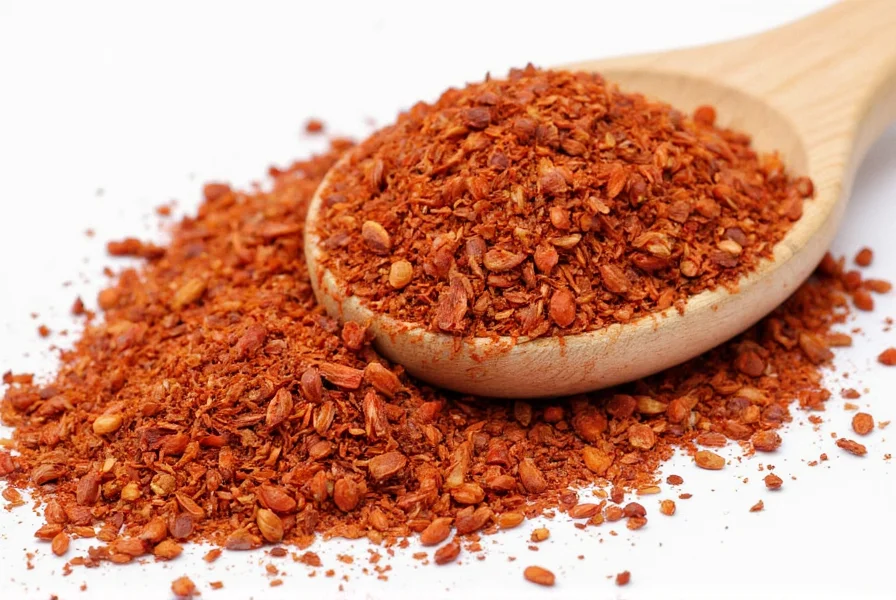
Running out of chili pepper flakes mid-recipe doesn't have to ruin your cooking. Whether you're making pizza, pasta, or stir-fry, several common pantry items can effectively replace this popular seasoning. Understanding the flavor profile and heat level of chili pepper flakes helps you choose the right alternative for your specific dish.
What Are Chili Pepper Flakes and Why Substitute?
Chili pepper flakes, often labeled as "red pepper flakes," consist of dried and crushed cayenne peppers or similar hot varieties. They deliver moderate heat (30,000-50,000 Scoville units) with a slightly smoky, earthy flavor. Home cooks seek substitutes when they've run out, need a milder option, or want to adjust flavor profiles while maintaining similar heat levels.
Historical Evolution of Chili Pepper Usage
Chili peppers originated in the Americas and spread globally after Columbus' voyages, but their integration into European cuisine followed distinct regional patterns. According to New Mexico State University's Chile Pepper Institute—a research center dedicated to Capsicum studies—dried crushed chilies only became staples in Southern Italian cooking by the 1800s, particularly in Calabria where peperoncino culture developed. This historical trajectory explains why crushed red pepper remains the most authentic substitute for traditional Italian dishes today, as it mirrors the original preparation methods that evolved over two centuries of culinary adaptation. The institute's documented timeline shows commercial production of dried red pepper flakes specifically for pizza toppings didn't emerge until the 1950s, coinciding with Italian-American pizzeria expansion.
Top 5 Chili Pepper Flakes Substitutes Compared
| Substitute | Heat Level | Flavor Profile | Substitution Ratio | Best For |
|---|---|---|---|---|
| Crushed red pepper | Similar | Nearly identical | 1:1 | All-purpose replacement |
| Cayenne pepper | Hotter (2x) | Sharper, less complex | 1/2 amount | Sauces, marinades |
| Paprika + cayenne | Adjustable | Smoky, balanced | 3:1 ratio | Italian dishes, pizza |
| Fresh chopped chilies | Variable | Fresh, vegetal | 2x amount | Stir-fries, salsas |
| Hot sauce | Variable | Vinegary, liquid | 1/2 tsp per 1/4 tsp | Dips, dressings |
Detailed Substitute Analysis
Crushed Red Pepper (1:1 Ratio)
Often confused with chili pepper flakes, crushed red pepper makes the most straightforward substitute. While some brands differ slightly in heat level, they're generally interchangeable. This works perfectly as a chili flakes replacement for Italian cooking where authenticity matters. Add it at the same point in your recipe as you would regular flakes.
Cayenne Pepper (1/2 Amount)
When considering how to substitute cayenne for chili flakes, remember cayenne packs nearly double the heat. This fine powder integrates smoothly into sauces and marinades but lacks the textural element of flakes. For pizza or pasta, use half the amount called for in your recipe. Cayenne works best when added early in cooking to distribute heat evenly.

Paprika and Cayenne Blend (3:1 Ratio)
For those seeking a mild alternative to chili pepper flakes, combine three parts paprika with one part cayenne. This mixture replicates the complex flavor while allowing heat adjustment. Hungarian paprika adds smokiness that works exceptionally well as a chili pepper flakes substitute in marinara sauce. This blend prevents the bitter notes that sometimes occur when using cayenne alone.
Fresh Chopped Chilies (2x Amount)
Fresh alternatives like jalapeños, serranos, or Thai chilies provide vibrant flavor but require adjustment. Use twice the amount of fresh chilies compared to dried flakes, as drying concentrates heat. Remove seeds for milder heat. This substitute shines in dishes where freshness matters, such as salsas or Asian stir-fries. Remember that fresh chili substitute for pepper flakes won't provide the same shelf-stable convenience.
Cooking Method and Contextual Constraints
The cooking technique affects your substitute choice. For raw applications like pizza garnish, crushed red pepper works best. In simmered sauces, cayenne integrates more smoothly. When making a chili flakes replacement for pizza topping, consider that fresh chilies will cook down significantly while powders might burn if added too early.
Critical Context Boundaries: Substitutes must align with structural and safety requirements. Purdue University Extension's baking guidelines caution that liquid-based substitutes like hot sauce alter moisture balance in baked goods, causing texture failures due to disrupted gluten development. Similarly, the National Center for Home Food Preservation (a USDA-collaborative program) explicitly warns that substituting fresh chilies for dried flakes in canning recipes creates safety hazards by unpredictably altering pH levels and heat penetration during processing. These context boundaries mean hot sauce should never replace flakes in tomato-based canning, while fresh chilies are unsuitable for baked goods requiring precise hydration.
For baking applications, use powdered substitutes as they distribute more evenly. In oil-based infusions, whole dried chilies steeped in oil can mimic the slow-release heat of flakes. Always add substitutes gradually, tasting as you go—especially when using potent options like cayenne.
Common Substitution Mistakes
Avoid these pitfalls when seeking a chili pepper flakes alternative:
- Using equal amounts of cayenne (too hot)
- Substituting bell pepper for heat (no heat)
- Adding substitutes too late in cooking (uneven heat distribution)
- Ignoring recipe moisture content (liquid substitutes alter texture)
For delicate dishes like creamy pasta sauces, start with half the recommended substitute amount. You can always add more heat, but you can't remove it once incorporated. When creating a homemade chili pepper flakes alternative, consider toasting dried chilies briefly before crushing to enhance flavor complexity.

Special Dietary Considerations
For those with specific dietary needs, several alternatives exist. Smoked paprika provides depth without significant heat for sensitive palates. For low-sodium diets, avoid commercial hot sauces which often contain added salt. When seeking a gluten-free chili flakes substitute, verify that packaged alternatives haven't been processed in facilities with gluten-containing products.
Creating Your Own Custom Blend
The most versatile chili pepper flakes replacement combines equal parts ancho powder (for depth), a pinch of cayenne (for heat), and a touch of garlic powder (for complexity). Store this blend in an airtight container for up to six months. This custom mix works particularly well as a chili flakes replacement for Italian cooking where nuanced flavor matters more than intense heat.




 浙公网安备
33010002000092号
浙公网安备
33010002000092号 浙B2-20120091-4